

When you look back at the most memorable ads of the 1980s, you see a decade that treated TV commercials like mini-movies, packed with jingles, stereotypes, and sexual innuendo. Many of those spots are still lodged in your memory, but a surprising number would never survive today’s standards for representation, consent, or public health. These eight ’80s TV commercials show how sharply advertising norms have shifted, and why some nostalgia comes with a wince.
1) Calgon’s “Ancient Chinese Secret” Detergent Ad
The Calgon laundry detergent commercial built its entire punchline around a line that viewers still quote: “Ancient Chinese secret, huh?” In the spot, a white customer presses a Chinese American dry cleaner for his stain-fighting secret, only for the camera to reveal a hidden box of Calgon behind the counter. References to an “Ancient Chinese” mystery turned a broad cultural stereotype into a joke, treating Asian heritage as an exotic gimmick rather than a real identity.
That setup, which is still recalled in lists of classic campaigns and in discussions of Calgon’s “Ancient Chinese” bottle gag, would collide today with stricter expectations around racial representation. Modern audiences are far more attuned to how “foreign” caricatures flatten entire communities and normalize casual mockery. For Asian American viewers in particular, the ad’s winking tone now reads less like harmless fun and more like a reminder of how often their culture was reduced to a punchline to sell household products.
2) Wisk’s “Ring Around the Collar” Campaign
Wisk detergent’s “Ring Around the Collar” ads turned a simple laundry problem into a recurring nightmare for suburban wives. In each commercial, a husband came home with a grimy shirt collar, while other characters scolded the woman of the house for failing to keep it spotless. The jingle hammered home the shame, repeating “Ring around the collar!” as if the stain were a moral failing instead of a laundry issue.
Those spots, remembered in retrospectives on Wisk Laundry Detergent and its “Ring” slogan, made it clear that cleaning men’s clothes was “women’s work.” Today, that framing would draw immediate criticism for reinforcing rigid gender roles and domestic expectations. Advertisers now tend to show shared chores or deliberately subvert those old tropes, because viewers increasingly expect brands to reflect the reality that caregiving and housework are not automatically a wife’s burden.
3) Enjoli Perfume’s “24-Hour Woman” Spot
The Enjoli perfume commercial from 1980 tried to celebrate women’s empowerment, but it did so by piling on impossible expectations. The ad showed a glamorous professional striding from the office to the kitchen to the bedroom, promising she could “bring home the bacon, fry it up in a pan, and never let you forget you’re a man.” The tagline called Enjoli “the 8-hour perfume for the 24-hour woman,” suggesting that fragrance was the secret to doing it all without breaking a sweat.
As later rundowns of iconic 1980 perfume and detergent spots point out, the Enjoli woman was expected to excel at her career, cook elaborate meals, and remain perpetually seductive. In a contemporary context, that narrative looks less like empowerment and more like pressure, implying that women must be tireless workers, perfect homemakers, and flawless partners at once. Current advertising is more likely to question that “superwoman” myth, or at least acknowledge the burnout it can cause.
4) Jovan Musk Cologne’s Seductive Pitches
Jovan Musk cologne leaned hard into sexual innuendo, promising that its scent would transform ordinary men into irresistible lovers. One of its most quoted lines, “Jovan Musk for men brings out the animal in you,” framed desire as something primal that the fragrance could unleash. The visuals often paired brooding male models with suggestively posed women, treating attraction as a near-automatic response to the product.
In the 1980s, that kind of swaggering pitch fit right in with other hypersexual ads, but it would face more scrutiny now. Viewers are far more critical of campaigns that treat women as props or imply that a product can override boundaries. Modern fragrance marketing still trades on seduction, yet it increasingly emphasizes mutual attraction and personal confidence rather than “animal” conquest, reflecting a broader cultural shift around consent and objectification.
5) Joe Camel’s Youth-Targeted Cigarette Ads
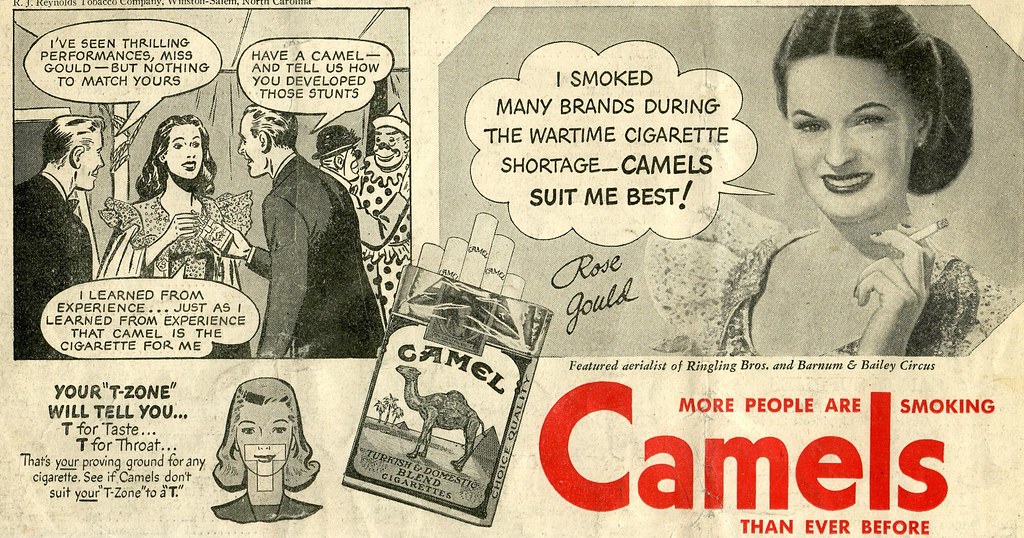
The Joe Camel campaign, launched in 1988, turned a pack of cigarettes into a cartoon playground. The mascot was a sunglasses-wearing camel who hung out in bars, played pool, and posed like a rock star, all rendered in bright, comic-book style. Critics argued that this fun, approachable character made smoking look like a game, especially to kids who were already drawn to animated figures and bold colors.
Public health advocates later pointed to Joe Camel as a textbook example of youth-oriented tobacco marketing, and the backlash helped reshape regulations on how cigarettes could be advertised. Today, a cartoon mascot selling a deadly product on television would be unthinkable in many countries, where strict rules limit tobacco imagery and sponsorships. The campaign’s legacy is a reminder that nostalgia for ’80s cool often collides with what you now know about addiction and targeted advertising.
6) Tanqueray Gin’s Racist “Gorilla” Commercial
Tanqueray Gin’s 1980s ad that featured a Black man in a gorilla suit as part of a “missing link” joke stands out as one of the decade’s most overtly racist spots. The premise treated a human character as a literal primate for the sake of a punchline about evolution and sophistication, using the costume to draw a direct comparison between a Black body and an ape. That imagery tapped into a long, violent history of racist caricature.
Even in its own time, the ad raised eyebrows, but it aired in an era when casual racial insensitivity in alcohol marketing was still common. Today, such a concept would likely be rejected before it ever reached a storyboard, given how brands now face immediate backlash for even subtle stereotyping. The Tanqueray example shows how far standards have moved toward recognizing that “jokes” about race are not harmless, especially when they echo dehumanizing tropes.
7) Chiffon’s “Don’t Fool Mother Nature” Margarine Ad
Chiffon margarine’s early 1980s commercials personified nature as a regal woman who was tricked into thinking margarine was real butter. When she discovered the swap, she snarled, “It’s not nice to fool Mother Nature,” and transformed into a stormy, vengeful figure. In some versions, the character’s appearance shifted from serene to haggard, visually punishing her for being deceived and for preferring the “wrong” food.
Those spots, often grouped with other memorable food campaigns from the decade, now read as a mix of environmental kitsch and body-shaming. The idea that a woman’s looks should deteriorate when she is angry or “fooled” reinforces the notion that female beauty is conditional and easily revoked. Contemporary food advertising tends to avoid equating moral worth or physical attractiveness with what you spread on your toast, reflecting a growing sensitivity to how bodies and aging are portrayed.
8) Noxzema’s Namath-Fawcett Kiss Commercial
The Noxzema shave cream ad from 1980 paired quarterback Joe Namath with actor Farrah Fawcett in a scene that blurred the line between grooming and foreplay. Namath sat with blue shaving cream on his face while Fawcett sensually applied more and then kissed him, the camera lingering on their mouths and the smeared product. The implication was that using Noxzema would turn a routine shave into an intimate encounter.
At the time, the spot was seen as cheeky and daring, but it also treated physical contact as a built-in reward for buying the right brand. In a modern context, viewers are more likely to question how consent is framed when a commercial uses surprise kisses or exaggerated intimacy as a sales hook. The lingering close-ups and playful messiness that once felt edgy now highlight how casually ’80s advertising mixed sexuality, hygiene, and product placement without considering the boundaries you expect today.

Leave a Reply