

Decluttering can feel satisfying, but some toys carry long-term emotional, educational, or financial value that makes tossing them a mistake. Professional organizers increasingly warn that certain playthings deserve careful storage, not the donation bin or trash bag. If you want to simplify your space without creating future regrets, focus on preserving these toys that should almost never leave your home.
1) Classic Board Games
Classic board games are exactly the kind of item professional organizers flag as worth keeping, because they deliver lasting family entertainment and even low-key educational value. Guidance on items you should never throw away highlights how these shared activities can bridge generations, giving grandparents, parents, and kids a reason to gather around the same table. When rules are simple and components are sturdy, a single box can support hundreds of game nights without losing relevance.
Holding on to these games also protects you from the rising cost of replacing out-of-print editions or specialty sets. Titles that go off the market often become expensive on resale sites, especially if you own a complete version with original cards, tokens, and instructions. For families, the stakes are emotional as much as financial, because a worn game board often carries memories of holidays, snow days, and late-night laughter that no digital download can replicate.
2) Stuffed Animals from Childhood
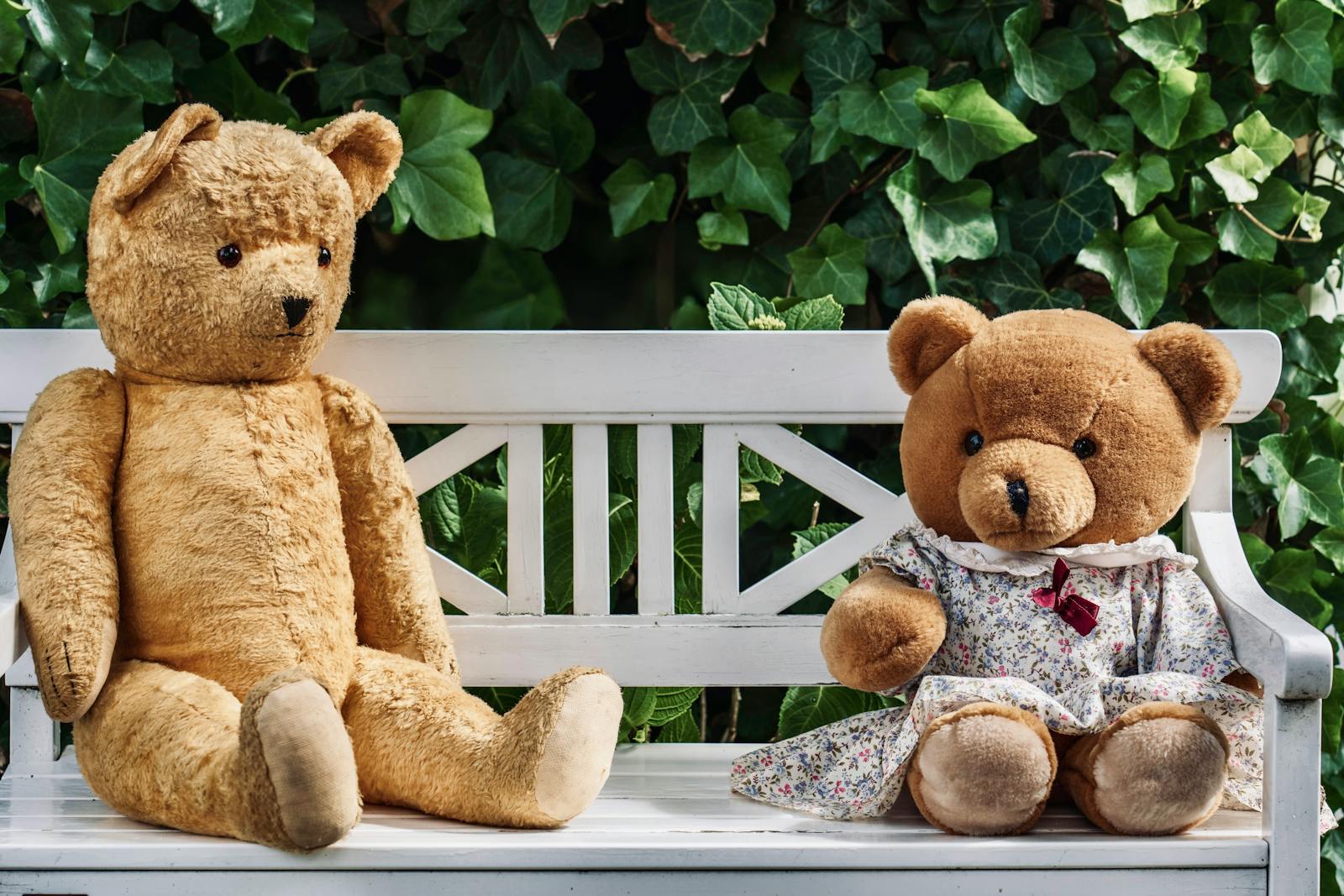
Stuffed animals from childhood fall squarely into the category of toys that organizers say you should resist tossing, even during an aggressive purge. Advice on what minimalists say to never throw away notes that sentimental items with deep emotional ties can be more valuable than their modest appearance suggests. A single teddy bear or plush rabbit often anchors memories of bedtime routines, hospital stays, or big life transitions, functioning as a quiet emotional support tool long after daily play ends.
Keeping a curated selection of these stuffed animals can also matter for future generations. Passing a beloved toy to a child or grandchild creates continuity, turning a simple plush into a family story. Instead of discarding them, you can store the most meaningful pieces in breathable containers, label them with names and dates, and treat them as part of your personal archive, not just clutter taking up shelf space.
3) Wooden Building Blocks
Wooden building blocks are another toy you should almost never discard, but they demand proper storage to stay in good condition. Guidance on what not to store in the garage warns that wood is vulnerable to moisture, temperature swings, and pests, all of which can warp or stain blocks over time. When you keep these toys indoors, in a dry and stable environment, they remain safe for open-ended play that supports fine motor skills and early engineering thinking.
The long-term value is not just developmental, it can be financial. Listings such as Vintage Wooden Blocks In show how sets marketed as Vintage, Antique Toys, including a Vintage Lot of 44 Wooden Alphabet Building Blocks Children, Letter Number pieces measuring 1.25 inches, can sell for $25.00 plus $8.85 shipping. That kind of resale market underscores why tossing quality blocks is shortsighted when careful storage can preserve both play and potential resale value.
4) Recalled Action Figures
Recalled action figures might seem like obvious candidates for donation, but safety guidance is clear that they should never end up on thrift store shelves. Advice on what not to donate stresses that items with known safety issues, including certain toys, must be kept out of secondhand circulation. Passing them along, even with good intentions, risks exposing another child to hazards that regulators have already flagged.
Instead of discarding these figures thoughtlessly, you should treat them as a special case. Some manufacturers offer take-back or recycling programs for recalled products, and local waste authorities may have specific instructions for disposing of items with small parts or hazardous materials. In rare cases, collectors may retain nonfunctional versions strictly for display, but the priority is always preventing unsafe toys from returning to active play.
5) Duplicate Puzzle Sets
Duplicate puzzle sets are often the first things people toss when they embrace a minimalist mindset, yet they still deserve a second look before you let them go. Advice on things minimalists never keep points out that duplicates feel redundant when you are chasing clear shelves. However, puzzles provide repeatable cognitive benefits, from spatial reasoning to pattern recognition, and having more than one copy can be useful for siblings, classrooms, or therapy settings where multiple children work simultaneously.
Keeping select duplicates also protects you from the frustration of missing pieces. If one box loses a corner section, you can quietly swap in a replacement from the backup set and keep the puzzle in circulation. For educators, speech therapists, and caregivers, that redundancy is not clutter, it is insurance that a favorite learning tool will stay complete and ready for use over the long term.
6) Heirloom Doll Collections
Heirloom doll collections are exactly the kind of toy category professional organizers caution you never to discard lightly. Guidance on items with lasting value emphasizes that pieces with historical or monetary significance often appreciate over time, especially when they remain in good condition. Well-preserved dolls, complete with original clothing and accessories, can evolve from childhood playthings into serious collectibles that anchor an estate or family archive.
Beyond potential resale value, these collections often document fashion, craftsmanship, and cultural trends across decades. When you catalog dolls, note makers, and store them in archival boxes, you are effectively preserving a small museum of design history. For families, the stakes are generational, because once a collection is broken up or donated, it is nearly impossible to reassemble the same mix of pieces and stories.
7) Damaged Educational Toys
Damaged educational toys might look like automatic trash, but experts warn that they should not be casually donated or discarded without thought. Guidance on items you should never donate explains that broken toys can pose safety risks in thrift stores, where staff may not have time to test every item. Instead of sending cracked manipulatives or incomplete learning kits into the donation stream, you should either repair them or dispose of them according to local rules.
When a toy still has strong educational value, a careful repair can keep it in service for your own household or classroom. Replacing a missing card, sanding a rough edge, or reattaching a loose magnet can restore a tool that supports literacy, math, or sensory development. By investing a little time in fixing these items, you reduce waste, protect other families from unsafe donations, and preserve resources that help children learn.

Leave a Reply