

If you close your eyes and picture a classic ’70s living room, you can probably feel the shag under your toes and see the avocado green sofa against a wall of wood paneling. Those spaces were cozy, cluttered, and surprisingly full of things that now signal serious nostalgia and, in some cases, serious value. When you look back at these seven staples, you are not just remembering décor, you are spotting potential collectibles hiding in plain sight.
Shag Carpet Everywhere
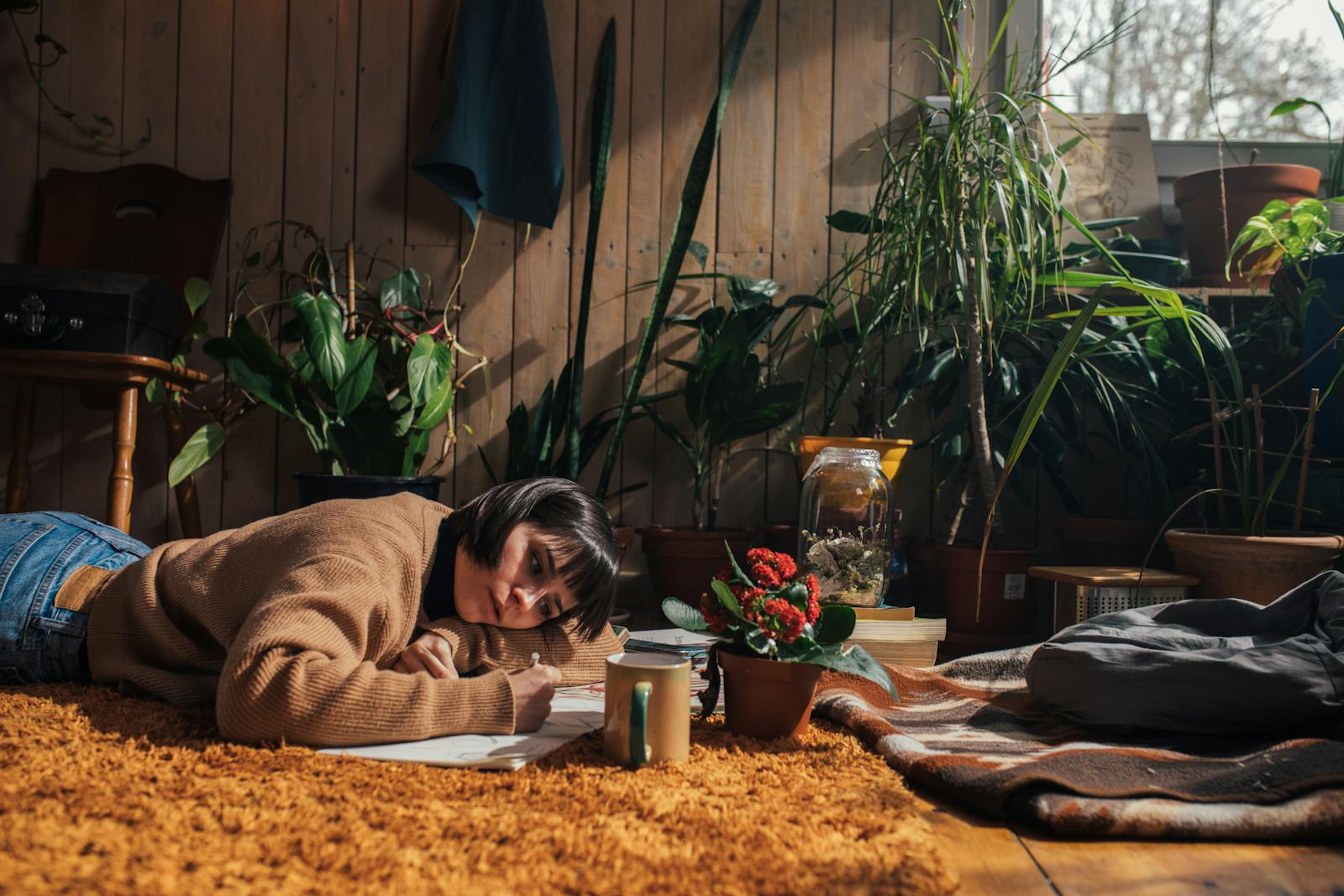
Shag carpet everywhere was the first clue that your family was “living the dream.” Thick, plush piles in oranges, browns, or even bright blues turned the entire living room into a lounge. Owning wall-to-wall shag, especially in a split-level or ranch house, signaled that your parents were keeping up with the aspirational lifestyle trends that guides to 70s status décor now celebrate. You did not just walk on this carpet, you sprawled on it to watch TV, play board games, or unwrap presents.
Today, that same look instantly transports you back to a time when comfort mattered more than minimalism. Designers now borrow the texture of shag in smaller rugs and accent pieces, precisely because it evokes that laid-back, anything-goes living room. For collectors and vintage fans, original samples in good condition can influence how they hunt for furniture, paint colors, and even lighting that match the era’s cozy, slightly over-the-top vibe.
Avocado Green Furniture
Avocado green furniture dominated the seating area, from overstuffed sofas to vinyl-topped ottomans. That color showed up so often that it practically became shorthand for a ’70s living room. Guides to valuable items in grandma’s living room now point out that midcentury and 1970s furnishings can be worth a lot, especially when the original upholstery or wood frames are intact. If your grandmother never re-covered that avocado sofa, she might unknowingly be sitting on a small payday.
Beyond resale value, these pieces matter because they shaped how you remember family time. That green couch was where you watched holiday specials, napped after Sunday dinners, and posed for school photos. As younger buyers chase authentic retro style, they are willing to pay for the exact silhouettes and colors that once felt embarrassingly dated, turning yesterday’s “ugly” couch into today’s conversation-starting centerpiece.
Lava Lamps Glowing Softly
Lava lamps glowing softly on side tables were the mood lighting of the decade. Their slow-moving blobs of color made every living room feel a little bit like a spaceship and a little bit like a teen hangout. Lists of things from 70s Christmases kids today would not recognize highlight how these lamps often showed up under the tree, then migrated straight to the living room for everyone to admire. The hypnotic glow became part of the backdrop for holiday photos and late-night chats.
For today’s kids, used to LED strips and smart bulbs, the idea of a single lamp bubbling away for hours feels almost quaint. Yet that is exactly why collectors and nostalgia-driven shoppers seek out original models. Owning a vintage lava lamp is not just about décor, it is about recreating a slower, more analog kind of family time, when you could sit on the floor and watch the colors shift without a screen in sight.
Macrame Wall Hangings
Macrame wall hangings and plant holders turned blank walls into textured art. Knotted by hand in creamy cotton rope, they framed the TV, flanked the sofa, or dangled spider plants in front of big picture windows. Modern roundups of vintage items from grandma that could be worth a lot of money emphasize how midcentury and 1970s décor, including handmade textiles, now attracts serious interest. When a macrame piece is large, intricate, or signed, it can appeal to collectors who prize craftsmanship.
Even if your family’s macrame came from a kit or a church bazaar, it still tells a story about the era’s DIY spirit. People were willing to spend evenings knotting rope to personalize their living rooms instead of buying mass-produced art. That hands-on approach is back in style, and it shapes how younger homeowners think about sustainability, secondhand shopping, and the value of keeping a well-made piece in circulation rather than tossing it out.
Wood Paneling on Walls
Wood paneling on walls wrapped the whole room in a warm, cabin-like glow. Whether it was real wood or faux sheets, those vertical or horizontal planks made the living room feel like a den, especially when paired with a stone fireplace. Owning a fully paneled family room appears in modern lists of vintage items you should borrow from grandma as part of a broader appreciation for midcentury and 1970s finishes that once seemed outdated.
Today, designers often paint or selectively remove paneling, but they also recognize its value as original character. If you grew up with those dark walls, you might remember them as the backdrop for every birthday banner and school portrait. That emotional weight explains why some homeowners now choose to restore paneling instead of ripping it out, treating it as a tangible link between generations rather than a design mistake.
Bean Bag Chairs Lounging Around
Bean bag chairs lounging around the living room signaled that kids had a real claim on the space. These squishy seats migrated constantly, pulled up to the TV for cartoons or dragged next to the tree during the holidays. Accounts of secretly valuable items that may be hiding in grandma highlight how even casual furnishings can gain value when they capture a specific era’s design. While not every bean bag is a prize, certain branded or well-preserved versions now interest retro collectors.
For kids today, used to structured gaming chairs, the shapeless sprawl of a classic bean bag might feel unfamiliar. Yet that informality is exactly what made ’70s living rooms so welcoming. Parents were willing to sacrifice a bit of tidiness so everyone could flop down together, and that attitude still influences how families think about flexible seating, open-plan layouts, and making room for play in shared spaces.
Harvest Gold Lamps and Accents
Harvest gold lamps and accents brought a warm glow to every corner, often paired with brass bases and patterned shades. Guides to things in grandma’s house that could actually be worth a ton of money, along with lists of vintage finds from grandma’s house, note that lighting and brass accents can be surprisingly valuable, especially when they are original to the period. A lamp that once blended into the background might now fetch attention from buyers hunting for authentic 1970s color palettes.
Those harvest tones also tie into broader trends in collecting, from Fenton And Murano Glass to Porcelain Or China Plates that echo the same warm hues. When you spot a gold-shaded lamp in an old family photo, you are seeing more than a light source, you are seeing how your grandparents embraced the era’s optimism. Keeping or restoring those pieces lets you carry that history forward, turning everyday objects into meaningful heirlooms.
More from Vinyl and Velvet:

Leave a Reply