

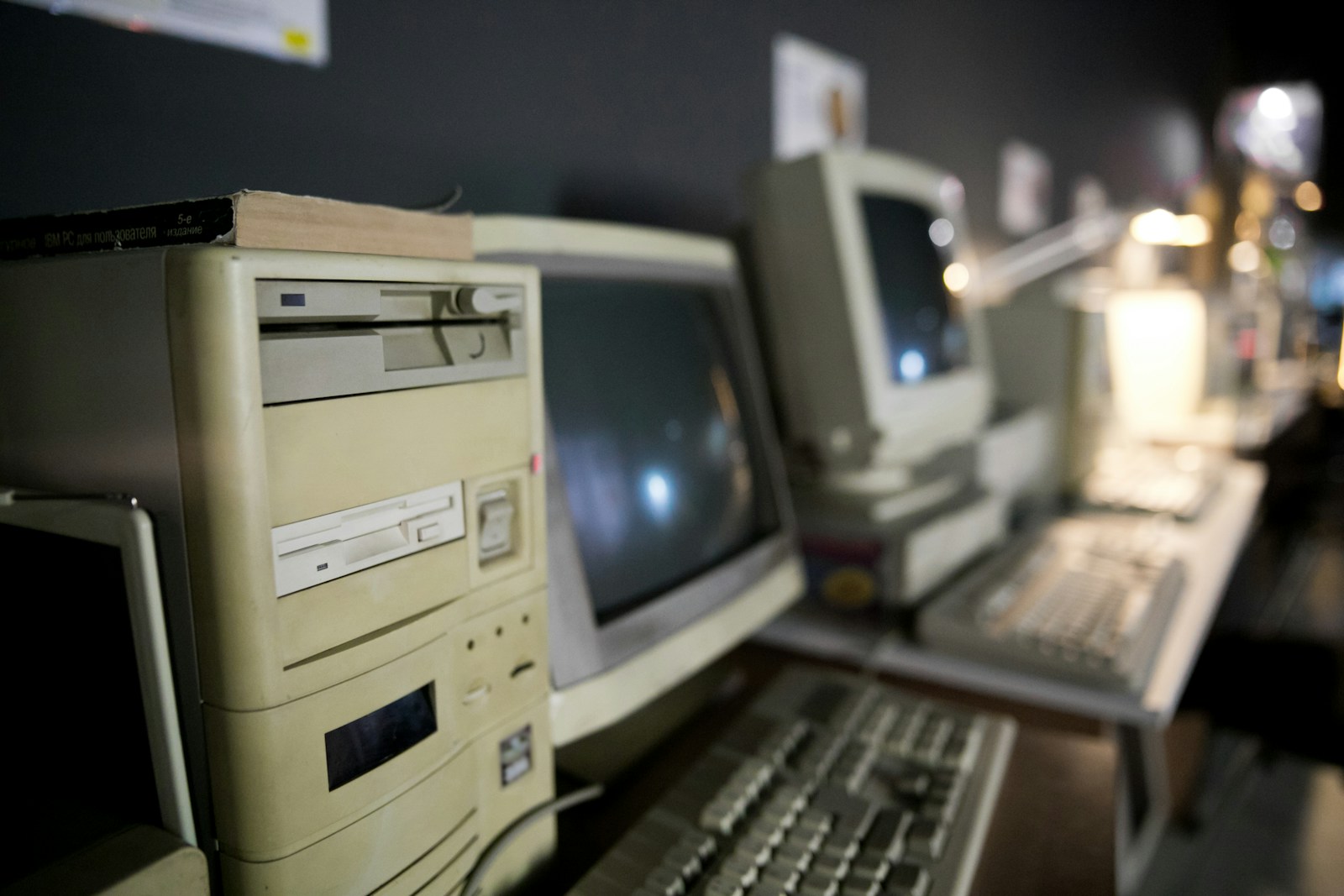
Retro electronics are no longer just display pieces on your shelf, they are quietly reshaping how you shop, listen, play and even think about computing and AI. From cassette tape players to Commodore PCs, you are watching a full circle moment where old ideas and hardware are powering new experiences. Here are seven comebacks that show why the past is suddenly the most interesting part of the future.
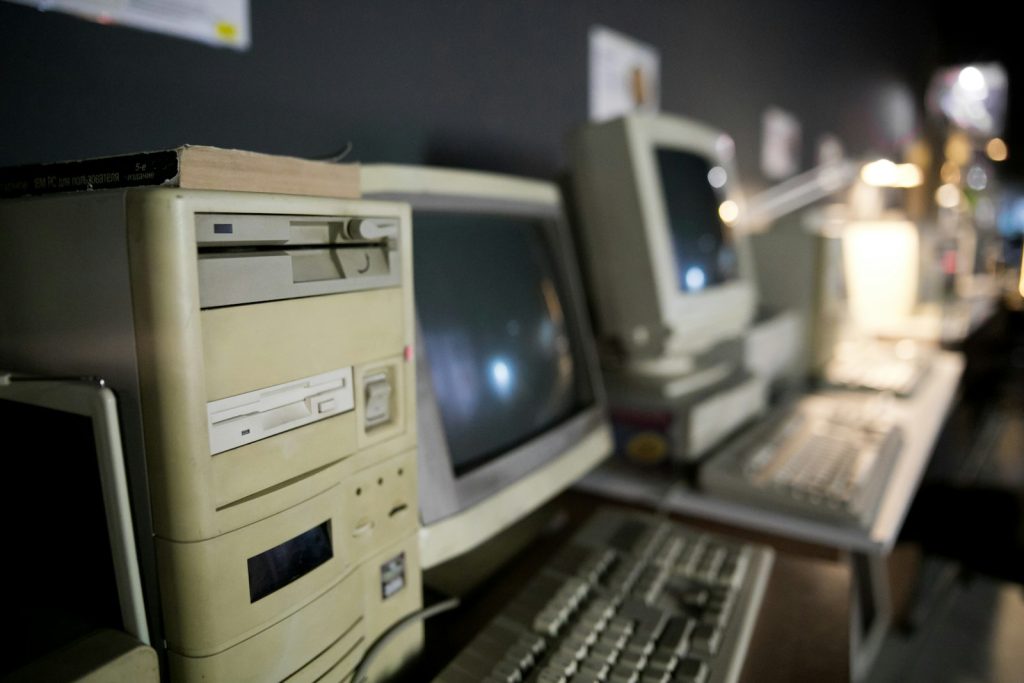
1) Commodore PCs
Commodore PCs are returning from cult memory to active product plans, with the Commodore PC company purchased and revival 2025 project signaling a serious attempt to put the brand back on desks. For anyone who grew up with beige keyboards and BASIC prompts, that means you may soon see new machines that echo the classic Commodore 64 and Amiga aesthetic while running modern components. The purchase confirms that investors believe nostalgia hardware can still compete in a market dominated by thin laptops and tablets.
For you as a user, a revived Commodore line could offer a different kind of personal computer, one that prioritizes tinkering, visible ports and straightforward ownership over sealed, disposable devices. Developers and retro enthusiasts gain a legal, supported platform for homebrew software and hardware mods instead of relying only on aging originals. The stakes are bigger than one logo, this comeback tests whether a heritage PC brand can carve out a sustainable niche alongside today’s giants.
2) ’90s Nail Design Tech
’90s nail design tech is also looping back, with minimalist ’90s nail designs explicitly described as making a comeback. Instead of maximalist chrome and 3D charms, you are seeing a return to slim French tips, negative space, and simple geometric accents that recall early gel and airbrush techniques. The retro element is not just the look, it is the process, from dotting tools to striping brushes that mimic the way technicians worked in mall salons three decades ago.
For you, this revival means nail tech feels more wearable and less like a special-occasion costume, especially if you type all day or handle devices constantly. Salons and at-home creators can streamline their kits, focusing on precision tools and classic color palettes rather than endless embellishments. The broader trend shows how beauty tech cycles between complexity and restraint, and how digital inspiration on Instagram and TikTok can resurrect analog-era aesthetics almost overnight.
3) Cassette Tape Players
Cassette tape players are back in rotation because cassette tapes themselves are making a comeback as a music format. Reporting on the trend notes that Cassette sales climbed sharply, and separate coverage of why Cassette tapes making comeback highlights an increase in sales from 2015 to 2023 of more than 400%. That surge means you are not just buying tapes as novelty merch, you are also hunting for working Walkmans, boomboxes and new portable players that can handle fresh releases.
For listeners, the appeal is tactile control, you physically flip sides, rewind, and live with imperfections instead of tapping a skip button. Labels and artists gain a low-cost physical product that feels collectible in a way streaming never can, especially when paired with zines or liner notes. The stakes extend to the broader audio market, as this 400% rise in Cassette interest pressures manufacturers to restart or expand production lines for decks, heads and magnetic tape, reviving skills that were close to disappearing.
4) Early Online Marketplaces like eBay
Early online marketplaces like eBay are staging their own retro-tech comeback, with the 30-year-old eBay described as making a comeback thanks to AI. The platform is using recommendation engines, smarter search and automated listing tools to modernize what started as a simple auction site. A related report on eBay making comeback thanks to Ai notes that CNN framed the shift as a reinvention of one of the internet’s original shopping sites.
For you as a buyer, that means it is easier to surface rare electronics, vintage games and niche components that might have been buried pages deep in old search results. Sellers benefit from AI-assisted pricing and listing suggestions that can revive dormant inventory and attract new collectors. The broader implication is that legacy web platforms do not have to fade quietly, they can bolt cutting-edge AI onto familiar interfaces and re-enter the mainstream shopping conversation.
5) Retro Gaming Consoles and Accessories
Retro gaming consoles and accessories are another clear comeback story, with a detailed list of 5 retro gaming trends arguing that cartridges, wired controllers and couch co-op all need to return. Even before manufacturers respond, you are already seeing demand for CRT-friendly consoles, original gamepads and reproduction hardware that recreates 8-bit and 16-bit experiences. The call for these trends to make a comeback reflects how many players are tired of constant patches and online-only requirements.
For you, plugging in a physical cartridge or disc means the game simply works, without massive downloads or server queues. Collectors and small hardware makers gain a market for FPGA-based systems, replacement shells and high-quality cables that keep older machines alive on modern TVs. The stakes for the industry are significant, if enough players gravitate toward retro-style hardware, big publishers may invest more in local multiplayer, preservation and durable accessories instead of disposable annual releases.
6) 1950s Computing Components
1950s computing components are quietly reappearing in cutting-edge labs, with a 1950s material described as making a massive comeback to transform modern computing. This material, first explored in mid‑century electronics, is now being reconsidered for roles in faster, more efficient chips and memory. For you, that means the devices in your pocket could soon rely on physics that predates the microprocessor era, repurposed with nanometer precision.
Hardware designers and semiconductor companies see this revival as a way to push past the limits of conventional silicon scaling without abandoning proven science. The stakes are enormous, if this 1950s material delivers on its promise, it could reshape data centers, edge devices and even the energy footprint of AI workloads. In practical terms, a retro component could be the key to keeping performance gains alive when traditional transistor shrinking slows down.
7) Vintage AI Hardware Concepts
Vintage AI hardware concepts are resurfacing through the renewed interest in World Models, an old idea in AI that is mounting a comeback. Instead of training systems only to map inputs directly to outputs, researchers are revisiting architectures that build internal simulations of the world, then use those simulations to plan actions. For you, that could mean smarter robots, game agents and assistants that understand cause and effect rather than just pattern matching.
AI labs and chip designers are exploring how to pair these World Models with specialized accelerators, effectively turning a vintage conceptual framework into a driver for new hardware. The stakes reach far beyond academic curiosity, if World Models scale, they could change how autonomous cars, drones and industrial systems reason about their surroundings. In that sense, one of the most futuristic technologies you encounter may be powered by an idea that predates the current deep learning boom.
More from Vinyl and Velvet:

Leave a Reply