

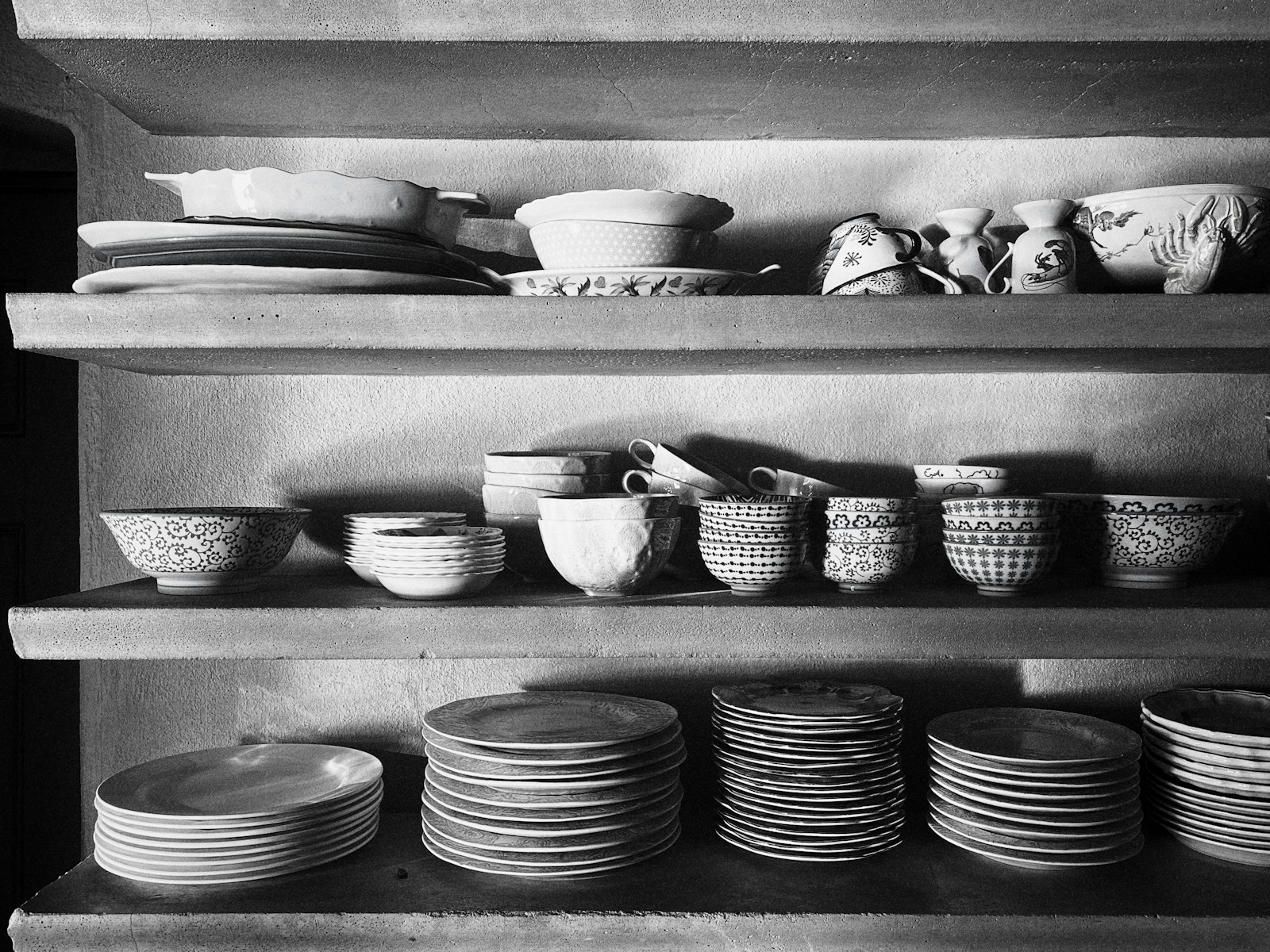
From flea markets to online auctions, collectible dishes and glassware from the 1960s are drawing fresh attention from decorators and serious collectors. You can trace that renewed interest in everything from sculptural milk glass to boldly patterned Pyrex that once lived in everyday kitchens. Here are seven standout pieces from the era that combine nostalgic style with real potential value.
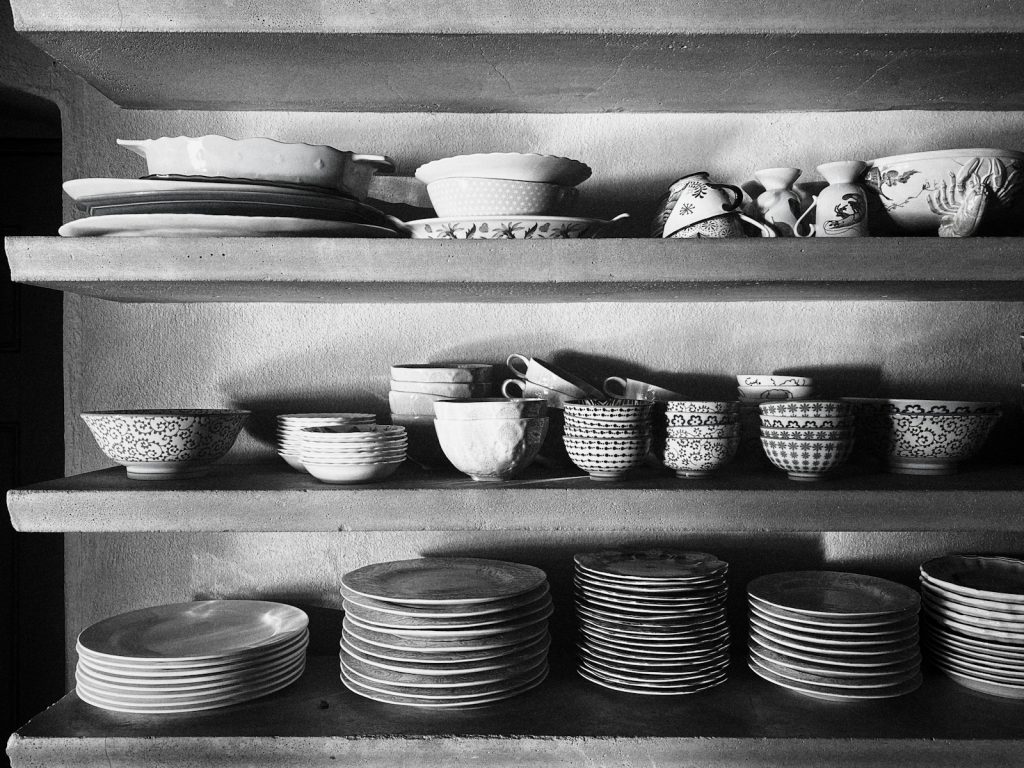
1) Westmoreland Milk Glass – Gorgeous Westmoreland milk glass is trending again with these vintage patterns from the 1940-60s that make it a prime ’60s collectible.
Westmoreland Milk Glass is one of the most recognizable midcentury tableware lines, and its sculpted shapes and opaque white finish are now firmly back in style. Collectors are gravitating toward the intricate patterns highlighted in guides to Westmoreland milk glass, which trace the company’s output from the 1940s through the 1960s. Those decades produced everything from paneled compotes to grape‑and‑cable serving pieces that fit seamlessly into today’s mix of vintage and contemporary décor.
Visual inspiration boards such as Vintage Glassware Antiques spotlight “Gorgeous Westmoreland” designs and encourage you to “Check” the ornate edges and pedestal bases that define the look. Another collection of vintage Westmoreland patterns notes “760” Saves and 21 Likes, a small but telling metric that shows how quickly interest is climbing. For you as a buyer, that renewed attention means well‑preserved 1960s pieces can appreciate as more people seek out authentic midcentury glass.
2) The Top Valuable Vintage Pyrex Dish – This standout piece ranks among the 7 of the Most Valuable Vintage Pyrex Dishes That Are Worth Collecting from the ’60s era.
The top vintage Pyrex dish from the 1960s is often identified through rankings of valuable Pyrex collectibles, which single out late‑sixties patterns for their scarcity and condition‑sensitive pricing. These guides explain that certain promotional designs were produced in limited runs, then heavily used in home kitchens, so surviving examples with bright color and intact lids are rare. When you find one of these dishes with crisp graphics and minimal utensil marks, you are looking at a piece that can command serious attention from collectors.
Additional reporting on Most Valuable Vintage Pyrex Dishes That Are Worth Collecting notes standout patterns such as Pyrex Golden Sunflower Daisy and Pyrex Bluebelle Delphite Bowl, with one summary listing a figure of “$520” in connection with high‑end sales. That kind of benchmark shows why you should treat top‑tier 1960s Pyrex as functional art rather than everyday cookware. For sellers, it underscores the importance of researching pattern names and verifying that any included lids or cradle pieces are original to the set.
3) The Second Most Valuable Vintage Pyrex Dish – This sought-after item is part of the 7 of the Most Valuable Vintage Pyrex Dishes That Are Worth Collecting prized by ’60s collectors.
The second most valuable vintage Pyrex dish from the era typically comes from another short‑run pattern that has become a status piece in retro kitchens. Lists of Most Valuable Rare Vintage Pyrex Patterns, presented as a Complete Value Guide, emphasize how quickly prices climbed once collectors realized how few intact sets remained. Until recently, vintage Pyrex was mainly purchased by longtime devotees, but broader interest has pushed these second‑tier rarities into the spotlight.
Because this dish sits just below the very top of the market, it can be a smart target if you are building a collection with an eye toward future value. You may find examples with light wear that still appeal to buyers who want to display, not cook with, their pieces. Paying attention to pattern placement, color saturation and the presence of original boxes can help you distinguish a merely nice casserole from a truly investment‑worthy 1960s survivor.
4) The Third Most Valuable Vintage Pyrex Dish – Highlighting its rarity, this dish features in the 7 of the Most Valuable Vintage Pyrex Dishes That Are Worth Collecting from the 1960s.
The third most valuable vintage Pyrex dish often represents the sweet spot between rarity and everyday nostalgia. Overviews that track patterns that sell for top dollar explain that Collectors prize Pyrex because it blends durability with vivid midcentury graphics. Produced mainly from the 1940s through the 1980s, the line spans dozens of designs, but only a handful from the 1960s combine low production numbers with strong visual appeal.
For you, that means this third‑ranked dish can be easier to find than the very rarest pieces, yet still valuable enough to justify careful storage and insurance. It also illustrates how condition and completeness, including matching lids and nesting sets, can push a piece higher in the market. When you evaluate a candidate, compare it to verified examples in collector guides so you can confirm that the colorway and capacity match the original 1960s release.
5) The Fourth Most Valuable Vintage Pyrex Dish – Collectors covet this pattern as one of the 7 of the Most Valuable Vintage Pyrex Dishes That Are Worth Collecting originating in the ’60s.
The fourth most valuable vintage Pyrex dish is usually a pattern that saw wider distribution but has become scarce in pristine form. A detailed look at how to identify valuable patterns notes that a complete set can be worth as much as $700, and that Released designs like Amish Butterprint in orange can be equally valuable. Those figures show how even mid‑tier 1960s patterns can rival fine china when they are complete and undamaged.
Because this dish originally appeared in everyday kitchens, you are more likely to encounter it at estate sales and thrift stores than in curated antique shops. That accessibility makes it a favorite among new collectors who want a recognizable name without paying top‑of‑the‑market prices. When you spot one, check for dishwasher fading and interior scratching, since those flaws can sharply reduce what buyers are willing to pay.
6) The Fifth Most Valuable Vintage Pyrex Dish – Its iconic design places it within the 7 of the Most Valuable Vintage Pyrex Dishes That Are Worth Collecting of ’60s glassware treasures.
The fifth most valuable vintage Pyrex dish tends to be an iconic design that resonates with people who grew up in the 1960s and 1970s. Visual guides that invite you to Discover the Pyrex market and Explore the most sought‑after patterns show how nostalgia drives demand for familiar motifs. When a pattern appears in multiple family photo albums, it often becomes a sentimental purchase for buyers who want to recreate a childhood kitchen.
From a value perspective, that emotional pull can keep prices steady even when supply is relatively higher than for top‑tier rarities. You can use that stability to your advantage by focusing on pieces with strong color and minimal wear, which tend to outperform average examples over time. Paying attention to capacity markings, handle shapes and lid styles will also help you avoid later reproductions that do not carry the same collector interest.
7) The Sixth Most Valuable Vintage Pyrex Dish – This valuable find belongs to the 7 of the Most Valuable Vintage Pyrex Dishes That Are Worth Collecting and can be sourced at yard sales and events around the Tri-State | 9/26-9/27 like the Daviess County Flea Market.
The sixth most valuable vintage Pyrex dish shows how much opportunity still exists in casual secondhand venues. Coverage of yard sales and events around the Tri-State highlights the Daviess County Flea Market as a place where you can still uncover midcentury kitchenware on folding tables. At markets like this, sellers often price dishes as everyday cookware rather than as collectibles, which gives informed buyers a chance to spot under‑valued 1960s Pyrex.
Guides that warn, “If You Have This Rare Pyrex Dish From The Late, It Could Be Worth A Small Fortune,” and explain How to identify collectible Pyrex Daisy pieces, show how quickly a casual find can turn into a Small Fortune when you know what to look for. When you browse flea markets, scan for Pyrex Daisy and other late‑sixties patterns with intact lids and bright color. A few minutes of pattern research before you go can turn a weekend outing into a profitable hunt for authentic 1960s glassware.

Leave a Reply