

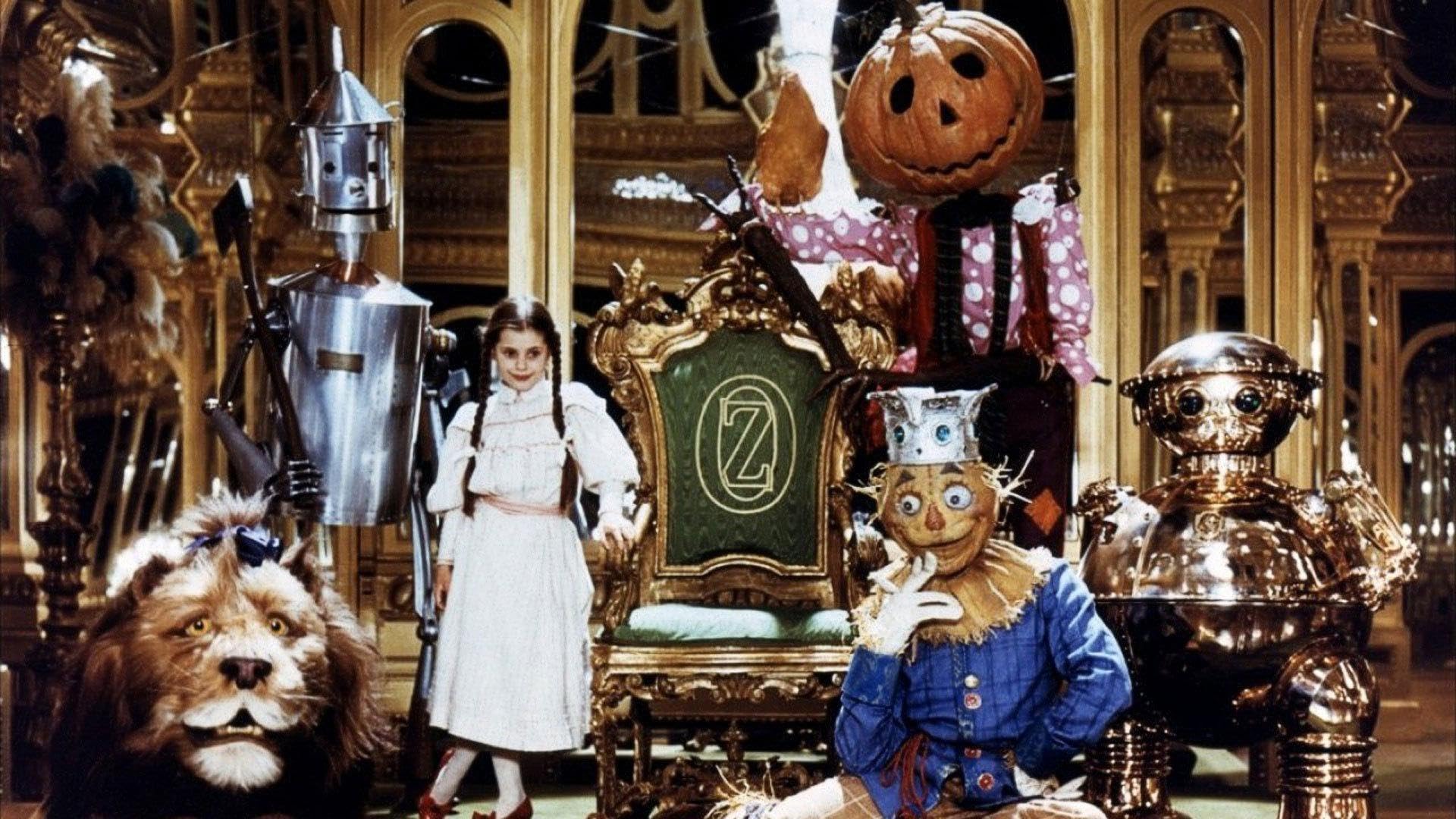
Ah, the ‘80s—a decade known for its neon colors, big hair, and iconic family films that filled our childhoods with joy. But if you take a closer look, some of those beloved flicks pack a surprisingly dark punch. You might remember them as light-hearted adventures, but they’ve got some serious undercurrents that would probably raise an eyebrow today. Grab your popcorn, and let’s take a stroll down memory lane to revisit six family movies that are way darker than you remember.
The NeverEnding Story (1984)
At first glance, “The NeverEnding Story” might seem like a whimsical journey through a magical land, complete with a giant flying luck dragon named Falkor. However, the film features some heavy themes, like loss and despair. Remember the scene where the Childlike Empress is dying? Or when poor Artax, Atreyu’s loyal horse, sinks into the Swamps of Sadness? That moment still haunts me—talk about triggering a childhood existential crisis! It’s a reminder that even in fantasy, the stakes can be painfully real.
Return to Oz (1985)
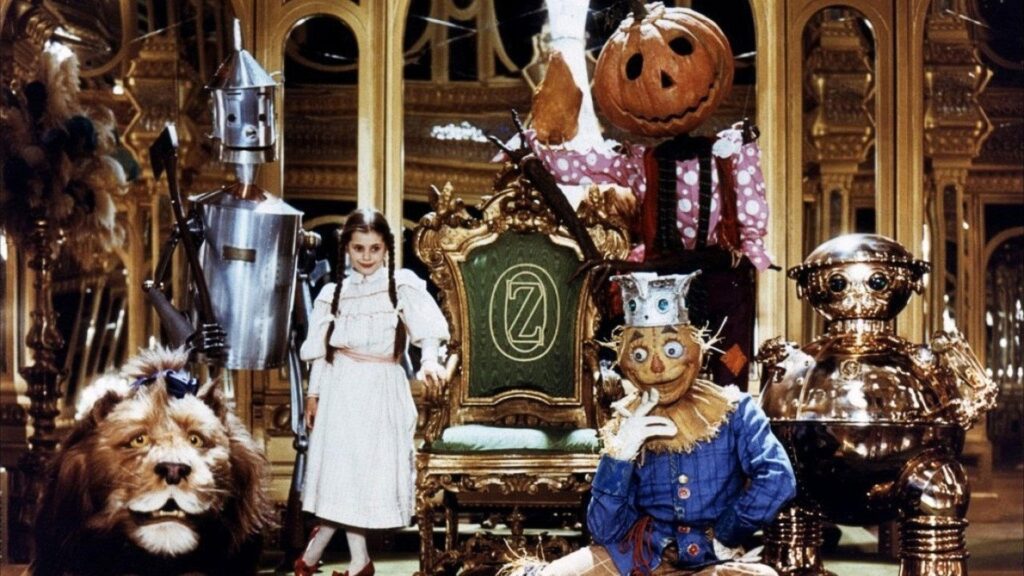
If you thought “The Wizard of Oz” was a bit trippy, wait until you see its sequel, “Return to Oz.” This film dives headfirst into a world of creepy characters and unsettling themes. The wheelers? Yikes! They’re like something out of a nightmare, and the scene with the headless Queen is enough to make anyone question their childhood sanity. With themes of mental health and the struggle against oppressive forces, this isn’t your grandmother’s Oz. It’s more like a cautionary tale wrapped in a psychedelic fairy tale.
The Dark Crystal (1982)
“Okay, let’s be real—”The Dark Crystal” is a beautiful yet terrifying masterpiece. Jim Henson’s puppetry is stunning, but the underlying narrative revolves around power struggles and the battle between good and evil. The Skeksis are downright terrifying, with their vulture-like appearances and sinister intentions. Plus, the whole concept of stealing the essence from other beings? That’s some heavy stuff for a family movie. It’s a film that makes you wonder: is it really for kids, or did the filmmakers just want to mess with our heads?
The Goonies (1985)
Ah, “The Goonies”—a treasure-hunt classic that had us all dreaming of adventure. But let’s not forget the darker side of their escapade. The kids are not just on a quest for gold; they’re also fleeing from a family that’s about to lose their home! And let’s talk about the Fratelli family. They’re as menacing as they come, and the whole subplot with the imprisoned Sloth? It’s got some serious implications about family dynamics and abuse. It’s a wild ride, sure, but it’s also a reminder that real life isn’t always as carefree as a treasure hunt.
The Secret of NIMH (1982)
This animated gem is one of those films that sneaks up on you with its emotional weight. “The Secret of NIMH” tells the story of a mother mouse, Mrs. Brisby, trying to save her sick child from danger. The film touches on themes like survival, sacrifice, and even scientific experimentation on animals. The imagery can be downright haunting, especially the scenes with the Great Owl. It’s a beautifully crafted movie, but it’s also a heart-wrenching tale that’s probably not suited for your littlest movie-goers.
Labyrinth (1986)
Last but certainly not least, we have “Labyrinth,” a film that’s become a cult classic for its quirky charm and David Bowie’s unforgettable performance. But beneath the surface, there’s a sense of darkness lurking in the labyrinth itself. Sarah’s journey is one of maturity, facing her fears, and, let’s be honest, the Goblin King is a little too manipulative for comfort. The film grapples with themes of growing up and leaving childhood behind, which can feel pretty heavy when you’re actually watching it instead of just humming along to “Magic Dance.”
Time to Rewatch!
So there you have it—six family movies from the ‘80s that might just make you rethink your nostalgic view of childhood cinema. They’ve got adventure, memorable characters, and catchy songs, but they also delve into themes that are far deeper and darker than we remembered.
More from Vinyl and Velvet:

Leave a Reply