

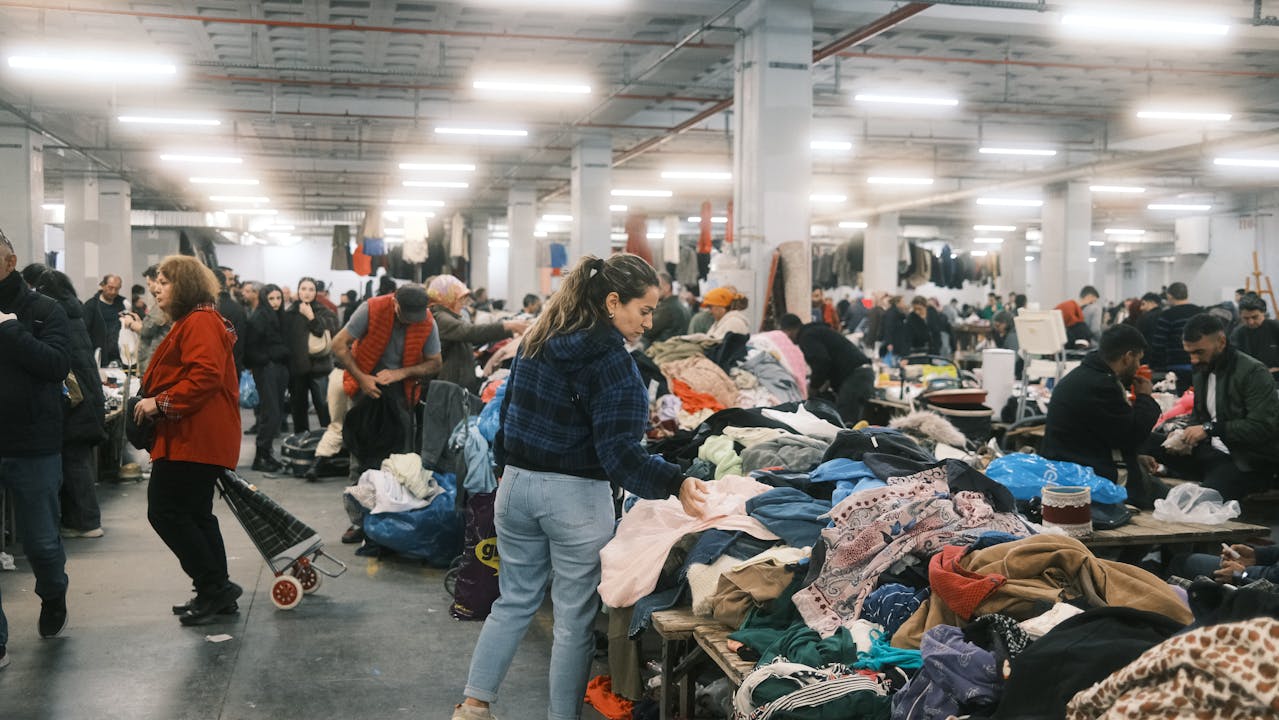
There’s a genuine thrill in unearthing a gem from the depths of your local thrift store. That excitement only heightens when you realize you might hold something of real value in your hands. As a seasoned collector and expert bargain hunter, I’ve learned to spot the telltale signs that transform a simple trinket into a treasure.
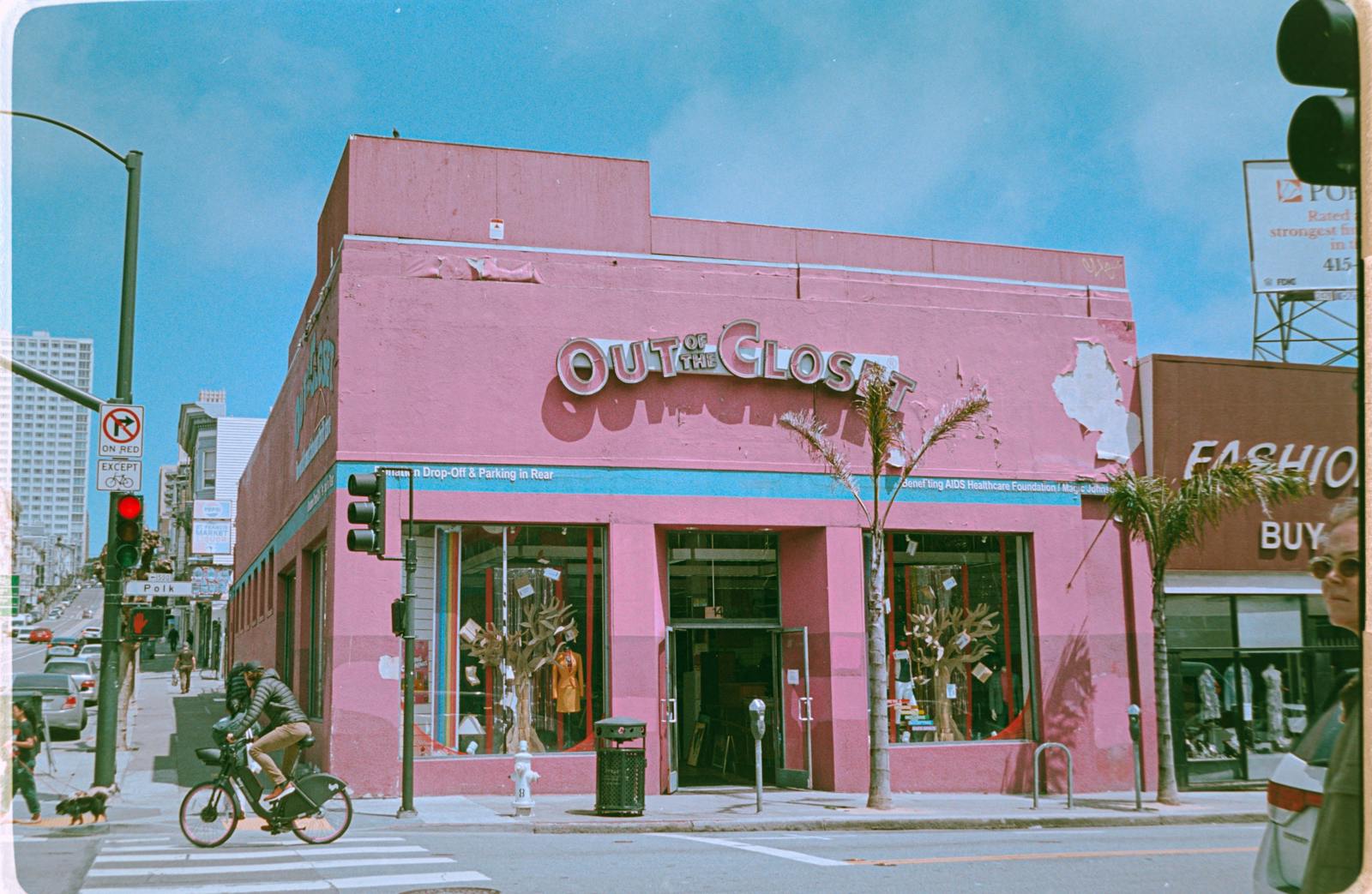
Whether you’re a seasoned thrifter or a newbie, these six clues will help you detect potential valuables hidden amidst the clutter. Soon, you’ll be able to turn your passion for thrifting into a rewarding hobby or even a profitable side hustle.
Material Quality
One of the first indicators of a valuable thrift find is the quality of its material. Items made from precious metals, real wood, or fine china often hold more value than those made from plastic or particle board. Look for hallmarks on silverware, jewelry, or any metallic items, indicating their metal purity.
If you’re not sure, carry a small magnet with you. Gold and silver are non-magnetic, so if your magnet sticks, the item is likely a less valuable metal. Remember, though, that some high-quality stainless steel is also non-magnetic, so this clue isn’t infallible.
Brand Names
Brand names can also be a sign of potential value. Luxury brands, vintage designer pieces, or items from respected manufacturers often retain their value well. Even if you’re not familiar with a name, don’t dismiss it. Some lesser-known or foreign brands can surprise you with their worth.
Do a quick Google search on your phone if you spot a brand name. Look at the prices of similar items on eBay or other online marketplaces. Remember, the condition of the item is crucial, and not every branded item will be a jackpot.
Age
While not every old item is valuable, age often plays a significant role in determining an item’s worth. Vintage and antique items, particularly those in good condition, can fetch a pretty penny. Look for signs of age, such as patina on metal, yellowing paper, or old-style typography.
Be wary, though, as reproductions can mimic these signs. If an item purports to be antique but looks suspiciously new, it might be a reproduction. Authenticating old items can be tricky, so it’s always helpful to familiarize yourself with particular periods or styles you’re interested in.
Signatures and Marks
Artist signatures, maker’s marks, or even handwritten dates can be a sign of value. These marks often indicate handmade pieces, limited editions, or works by notable creators. Pay particular attention to art, ceramics, and collectibles as these often bear such marks.
However, keep in mind that not all marks or signatures equate to value. Some mass-produced items also bear marks or signatures. As with brand names, a quick internet search can often provide valuable information about the mark or signature you’ve found.
Condition
The condition is a crucial factor in determining an item’s value. Even rare items can lose their worth if they’re damaged or heavily worn. Look for chips, cracks, stains, or missing parts. Check electrical items to ensure they work, and inspect books for missing pages or inscriptions.
But don’t let minor flaws put you off. Some items, like vintage clothing or old books, can still be valuable despite some wear and tear. But heavy damage or alterations can drastically reduce an item’s worth.
Unusual or Rare Items
Last, but not least, keep an eye out for the unusual or rare. Unique items, whether they’re quirky pieces of decor, rare books, or limited-edition collectibles, often have a higher value simply because they’re harder to come by. Remember that rarity alone doesn’t guarantee value, but it’s often a good indicator.
Learning to spot the rare and unusual takes time and experience. The more you thrift, the better you’ll get at picking out the oddities from the everyday. Even if an item isn’t valuable in the traditional sense, it might still be a unique addition to your home or collection.
Unearthed treasures from thrift stores can be a delight, but the real joy often lies in the thrill of the hunt. As you learn to recognize these six clues, may every trip to your local thrift store become an exciting adventure filled with potential treasure. Happy thrifting!

Leave a Reply