

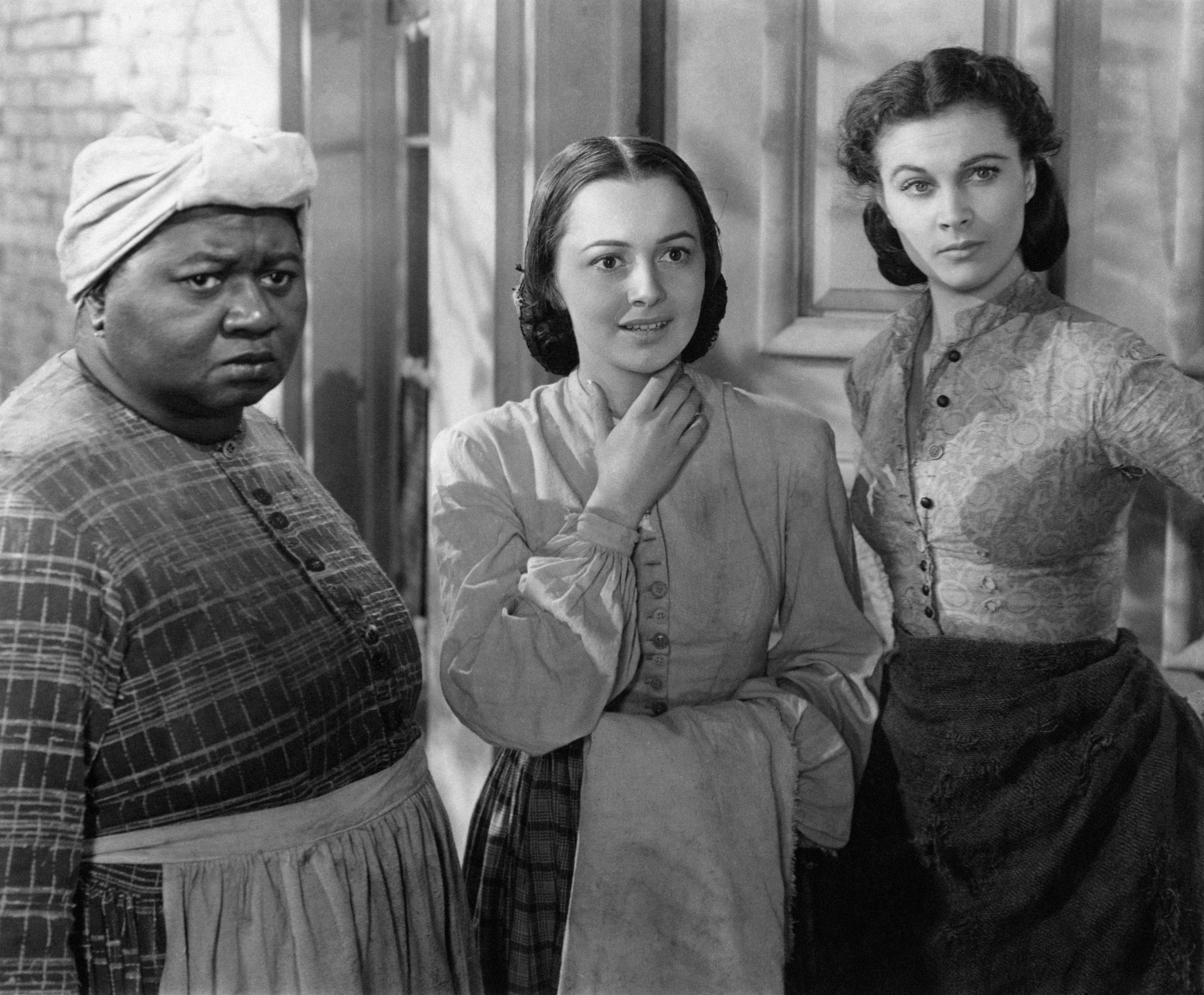
Grab your popcorn, because we’re about to take a stroll down memory lane—one that’s lined with some seriously problematic films. It’s wild to think about how much our societal norms and values have changed over the years. Some movies that were once considered classics might just cause a social media firestorm if they were released today. So, let’s chat about six films that would likely spark outrage in our current cultural climate.
1. “Gone with the Wind” (1939)
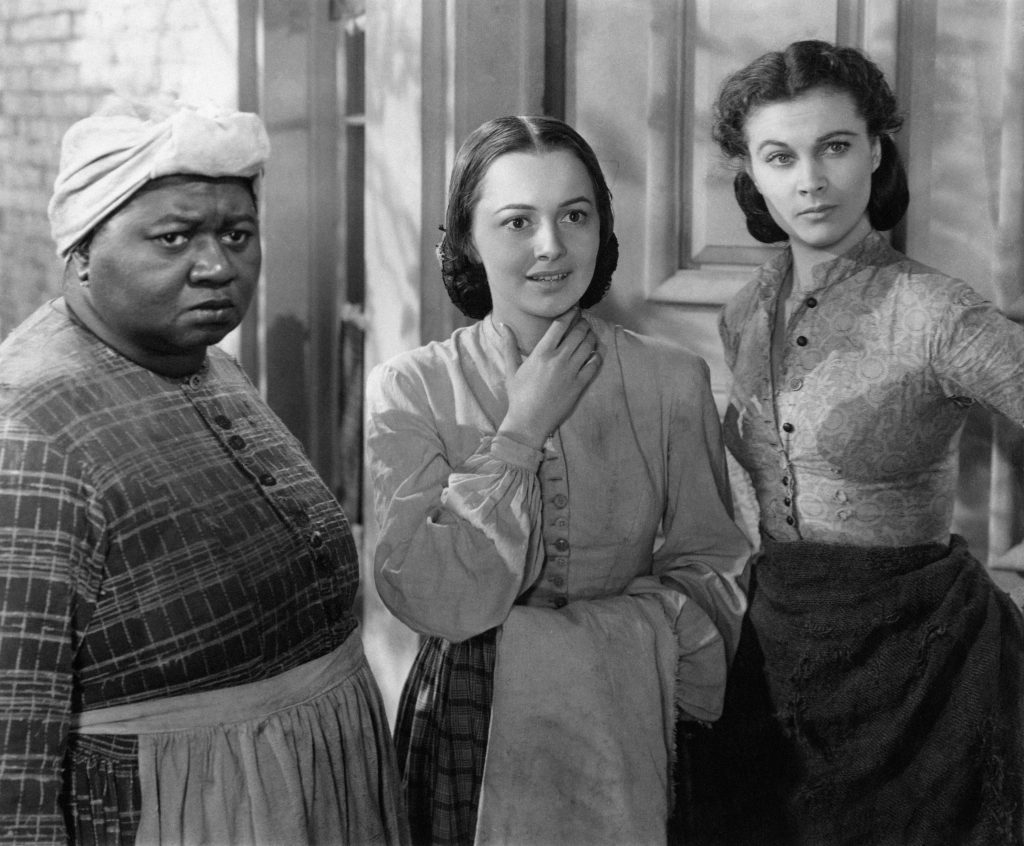
This film is often hailed as one of the greatest American movies of all time, but let’s be real: its portrayal of slavery and the antebellum South is deeply problematic. The romanticization of a plantation lifestyle, coupled with its lack of nuance regarding the brutal realities of slavery, would likely face intense backlash today. Many viewers would have a hard time seeing past its sweeping cinematography and iconic performances to the outdated and harmful stereotypes it perpetuates.
2. “Breakfast at Tiffany’s” (1961)
Ah, the classic tale of love and eccentricity starring Audrey Hepburn. But wait—what about Mickey Rooney’s portrayal of Mr. Yunioshi? The character is a glaring example of yellowface, with Rooney donning exaggerated makeup and a stereotypical accent. If this film were to hit theaters today, we’d probably witness a collective gasp followed by a flurry of tweets about cultural appropriation and racial insensitivity. It’s a shame, too, because the film has so much charm otherwise!
3. “The Breakfast Club” (1985)
Most of us can relate to “The Breakfast Club’s” themes of teenage angst and social stereotypes. However, the film’s treatment of mental health, particularly the character of Ally Sheedy’s “Basket Case,” raises eyebrows today. The way the film trivializes serious issues and portrays them through a comedic lens would likely be criticized. Plus, the romantic subplot between characters with such starkly different backgrounds could spark debates about consent and power dynamics.
4. “Animal House” (1978)
Talk about a college classic! “Animal House” is packed with raunchy humor and outrageous antics, but the film’s approach to sexual assault and consent would definitely not fly in today’s world. The idea of “boys will be boys” is outdated and deeply troubling, and many would argue that the film trivializes serious issues surrounding sexual misconduct. If it were released now, you can bet there’d be a major outcry about how it portrays women and their agency.
5. “Psycho” (1960)
“Psycho” is a masterpiece of suspense, but it’s also a film that stirs up quite a bit of controversy, especially regarding its depiction of mental illness. The character of Norman Bates is often cited as an example of how Hollywood has historically represented mental health issues in a negative light. Today, many would argue that the movie reinforces harmful stereotypes about mental illness and criminal behavior. That said, it still holds a significant place in film history, but it definitely raises questions in our modern context.
6. “Scarface” (1983)
Al Pacino as a Cuban drug lord? Sure, it’s a gripping story, but the way “Scarface” glamorizes violence and drug culture would undoubtedly spark outrage today. Critics would point out its problematic portrayal of Latino characters and the glorification of crime. The film has its fans, but if you played it on a loop in today’s social climate, you might find it leading to some heated discussions about ethics in storytelling.
Final Thoughts
It’s fascinating to see how films that once captivated audiences can become outdated or even offensive as societal norms evolve. While some of these classics may have been groundbreaking in their time, they also serve as reminders of how far we’ve come—and how much further we still need to go. The outrage that would accompany their release today could spark important conversations about representation, consent, and the impact of media on society.
So, the next time you pop on an old favorite, take a moment to consider its context. You might just find yourself thinking about it in a whole new way. And who knows? That movie night might turn into an unexpected discussion about culture, history, and everything in between. Happy watching!
More from Vinyl and Velvet:

Leave a Reply