

There’s something magical about a movie that sticks with you long after the credits roll. Sometimes, it’s the plot twists or the breathtaking visuals, but often, it’s the ending that leaves us scratching our heads or diving into spirited debates with friends. You know those conversations that start with, “Did you see that ending?” and end up lasting well into the night? Well, grab your popcorn, because we’re diving into five movie endings that have stirred up discussions for decades!
1. “The Graduate” (1967)
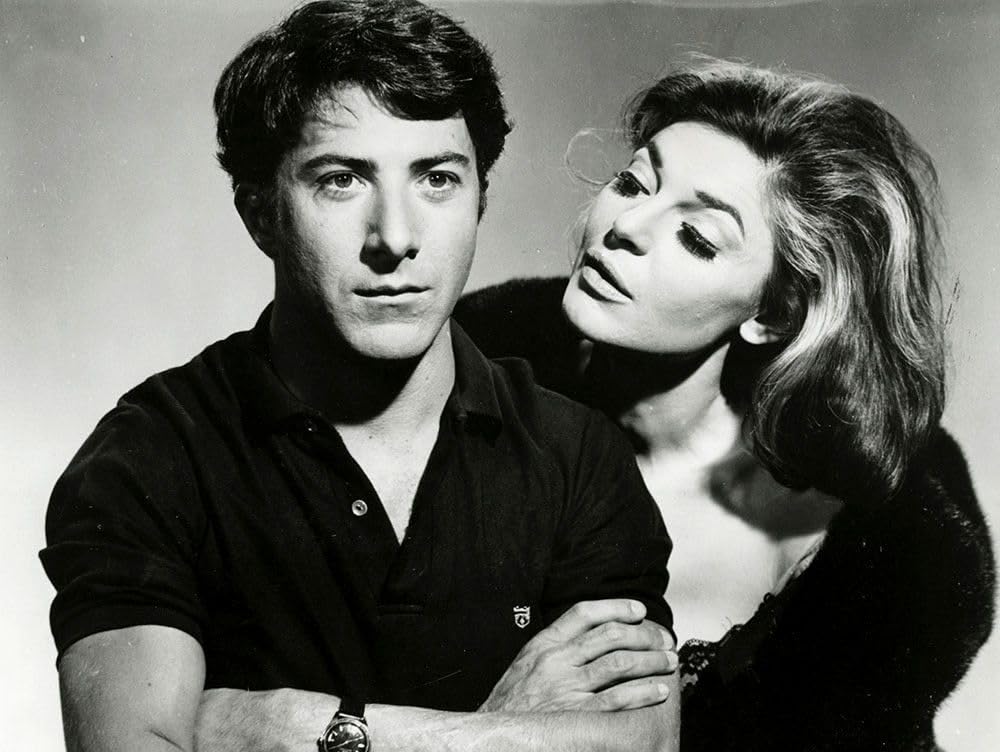
Okay, let’s set the scene. Benjamin Braddock, played by Dustin Hoffman, has just sprinted through the streets of Los Angeles to stop Elaine from marrying someone else. He gets to the church, bursts through the doors, and—spoiler alert—he wins her over. But then, as they sit in the back of a bus, the look on their faces shifts from triumph to uncertainty. What are they thinking? Excitement? Regret? The sheer weight of their choices? This ending has sparked countless debates about love, responsibility, and the uncertainty of adulthood. Even after all these years, it feels like we’re all just a little Benjamin, wondering if we made the right choices.
2. “Inception” (2010)
Ah, “Inception.” If there’s one film that makes you question reality, it’s this one. Christopher Nolan takes us on a wild ride through dreams within dreams, and just when you think you’ve figured out what’s real, the ending hits you like a ton of bricks. Cobb spins his totem—a spinning top—to see if he’s still in a dream or back in reality. But just as it wobbles, the screen cuts to black. Did he make it? Is he awake? Fans have debated this ending for years, with theories flying around like the dreams themselves. It’s the perfect blend of intrigue and frustration. Personally, I like to think he’s finally at peace, but I guess we’ll never know for sure!
3. “Fight Club” (1999)
Now, let’s talk about “Fight Club.” The first rule is: you don’t talk about it, but here we are, chatting away! The film’s ending, featuring the narrator facing off against Tyler Durden (who is actually a figment of his imagination—surprise!), leaves viewers with a sense of both chaos and resolution. The buildings come crashing down, and there’s a sense of rebirth amidst the destruction. Some viewers walk away feeling liberated, while others see it as a grim commentary on consumerism and identity. It’s one of those endings that makes you question everything about yourself and society. Honestly, I think that’s what makes it great. It’s like a philosophical puzzle wrapped in a fight scene!
4. “The Usual Suspects” (1995)
Let’s not forget about “The Usual Suspects.” If you’ve seen it, you know exactly what I’m talking about. The film builds up to a jaw-dropping twist that’s become iconic in cinema history. Verbal Kint’s final reveal about Keyser Söze has sparked endless debates about trust, deception, and the nature of truth. Did we see the real story, or was it all a carefully crafted lie? Fans often find themselves rewatching the film, looking for clues they missed the first time. It’s a classic case of “I need to see that again,” and isn’t that the beauty of movies? They can keep us guessing and analyzing long after we think we’ve got it all figured out.
5. “2001: A Space Odyssey” (1968)
Ah, Stanley Kubrick’s “2001: A Space Odyssey.” If there’s a film that demands multiple viewings and discussions, it’s this one. The ending, with its surreal imagery and the enigmatic Star Child, has left audiences pondering for decades. What does it all mean? Is it a commentary on human evolution, artificial intelligence, or something else entirely? Even the most seasoned film buffs find themselves scratching their heads. It’s one of those endings that’s not just about what you see but what you feel. And honestly, it’s okay if you don’t have all the answers; the journey is part of the fun.
More from Vinyl and Velvet:

Leave a Reply