

Rock history is full of singers who once seemed untouchable, hitting skyscraper notes night after night. Time eventually catches every voice, but the greats find new gears instead of quitting. These five legendary rock vocalists cannot sing exactly like they used to, yet they have reshaped their styles so cleverly that fans still pack arenas to hear what those older, wiser voices can do.
1) Mick Jagger
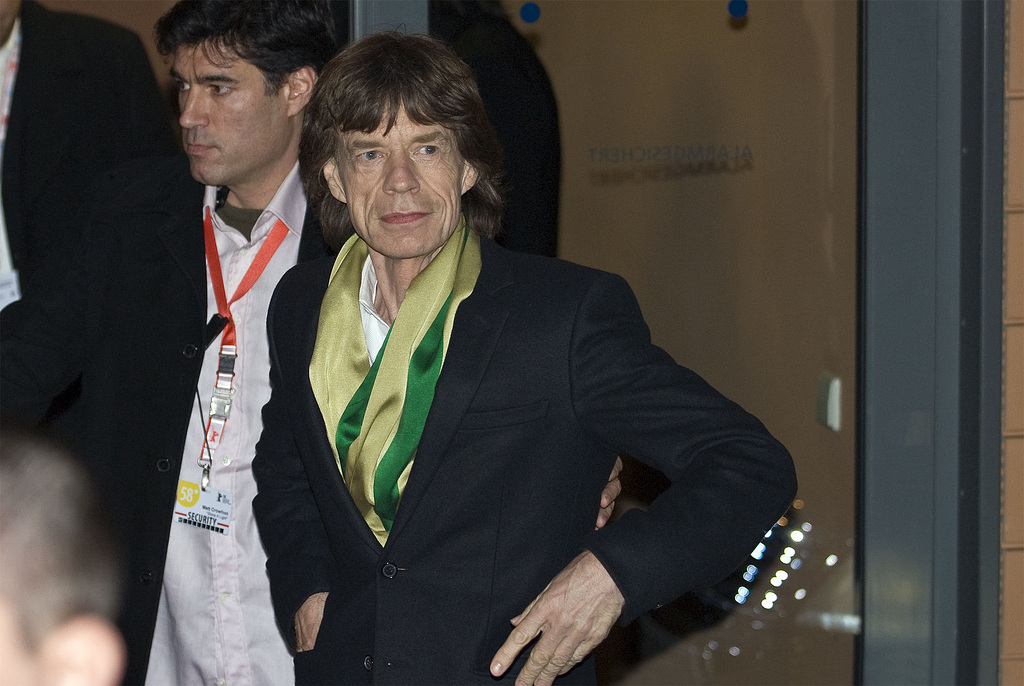
Mick Jagger built his legend on a sharp, elastic tone that cut through the Rolling Stones’ loudest riffs, and age has turned that sound into a grainier, more lived‑in rasp. Reporting on legendary rock vocalists notes that he no longer attacks every line with the same youthful bite, instead leaning on phrasing and attitude. On recent tours he shapes melodies around his current range, clipping certain high notes and stretching others so the songs still feel dangerous rather than nostalgic.
That shift matters because it shows how a frontman can age without surrendering the spotlight. Jagger’s stage command, from his sprinting runs across catwalks to the way he toys with call‑and‑response sections, keeps stadium crowds focused on the performance instead of the missing high screams. For younger artists, his evolution is a blueprint for turning vocal limitations into a different kind of strength, where character and storytelling carry as much weight as sheer power.
2) Steven Tyler
Steven Tyler once fired off piercing wails that defined Aerosmith’s biggest hits, but decades of touring have made those top‑end shrieks harder to hit cleanly. Coverage of Legendary Rock Vocalists points out that he now leans more on grit and mid‑range power than on endless high notes. Earlier commentary on his career even pairs “Robert Plant, But Steven Tyler” as two singers whose voices shaped generations of rock fans in very different ways, underscoring how central his sound has been.
Instead of chasing every impossible scream, Tyler sells the songs with raw energy, ad‑libbed blues runs, and that unmistakable rasp. When he talks about rock history, as in a clip where Steven Tyler names his greatest bands, he sounds like a lifer who has earned the right to reinterpret his own catalog. For fans and younger singers, his approach shows that charisma, timing, and feel can keep a career alive even when the vocal fireworks cool down.
3) Robert Plant
Robert Plant’s early work with Led Zeppelin set the template for epic, mystical hard‑rock singing, and his high register once seemed limitless. A widely shared video notes how Robert Plant helped shape an entire generation of rock, while also mentioning “But Steven Tyler” as another benchmark voice. More recent reporting on Legendary Rock Vocalists highlights how his range has deepened and mellowed, especially in acoustic and roots‑leaning projects.
Plant now treats old Zeppelin material almost like folk standards, reshaping melodies, dropping some of the highest screams, and leaning into huskier tones. That interpretive style, especially in stripped‑down sets, trades youthful bombast for nuance and emotional shading. The shift has big implications for classic rock as a whole, proving that even the most iconic screamers can age into storytellers, keeping songs alive for new audiences without pretending time has stood still.
4) Roger Daltrey
Roger Daltrey’s roar on songs like “Won’t Get Fooled Again” once felt like a force of nature, and even now his voice carries serious weight, just with a bit more weather on it. A ranking of the best male rock places him among the top vocalists, crediting that mix of power and vulnerability. Recent assessments of aging singers note that his upper range has softened, yet he still hits the big climactic lines with enough punch to keep The Who’s live shows from slipping into pure nostalgia.
Onstage, Daltrey often adjusts keys and pacing so his voice can land with authority instead of strain. That kind of adaptation is crucial for a catalog built on explosive choruses and long, sustained shouts. For fans, it means the emotional core of those anthems survives, even if the exact timbre has changed. For the broader touring industry, his example shows how legacy acts can protect their singers while still delivering the cathartic moments audiences pay to relive.
5) Axl Rose
Axl Rose once swung from glass‑shattering highs to low snarls in a single line, giving Guns N’ Roses a wild, unpredictable edge. Over time, that signature screech has roughened, and some observers argue that Axl Rose struggles to keep pace with the band’s classic arrangements. Online debates, including threads where fans of GNR complain that “Axl has lost his voice” and compare certain tones to “Micky Mouse,” underline how closely listeners track every change in his delivery.
Even with that decline, others point out that Axl can still sound “decent” live and “loads better” than some televised appearances, as fans noted after Glastonbury. He leans more on his lower register and controlled screams, reshaping melodies so the songs remain intense even if they sit differently in his range. The stakes are high for reunion tours built around nostalgia, and his evolving voice shows how fragile, and fascinating, that balance between memory and present‑tense performance can be.
More from Vinyl and Velvet:

Leave a Reply