

Hard rock fans argue endlessly about rankings, but a smaller, more demanding category cuts through the noise: albums that never require the skip button. These are records where sequencing, songwriting, and performances lock together so tightly that every track feels essential. Among the many contenders, three albums stand out as front‑to‑back statements that critics and listeners alike consistently treat as flawless.
Each one comes from a different corner of the rock universe, yet all three share a refusal to pad their running time with filler. They are concise, carefully structured, and built to be heard in full, which is why they continue to anchor lists of perfect or “no weak songs” releases decades after their debut.
Led Zeppelin IV: A Blueprint With No Filler
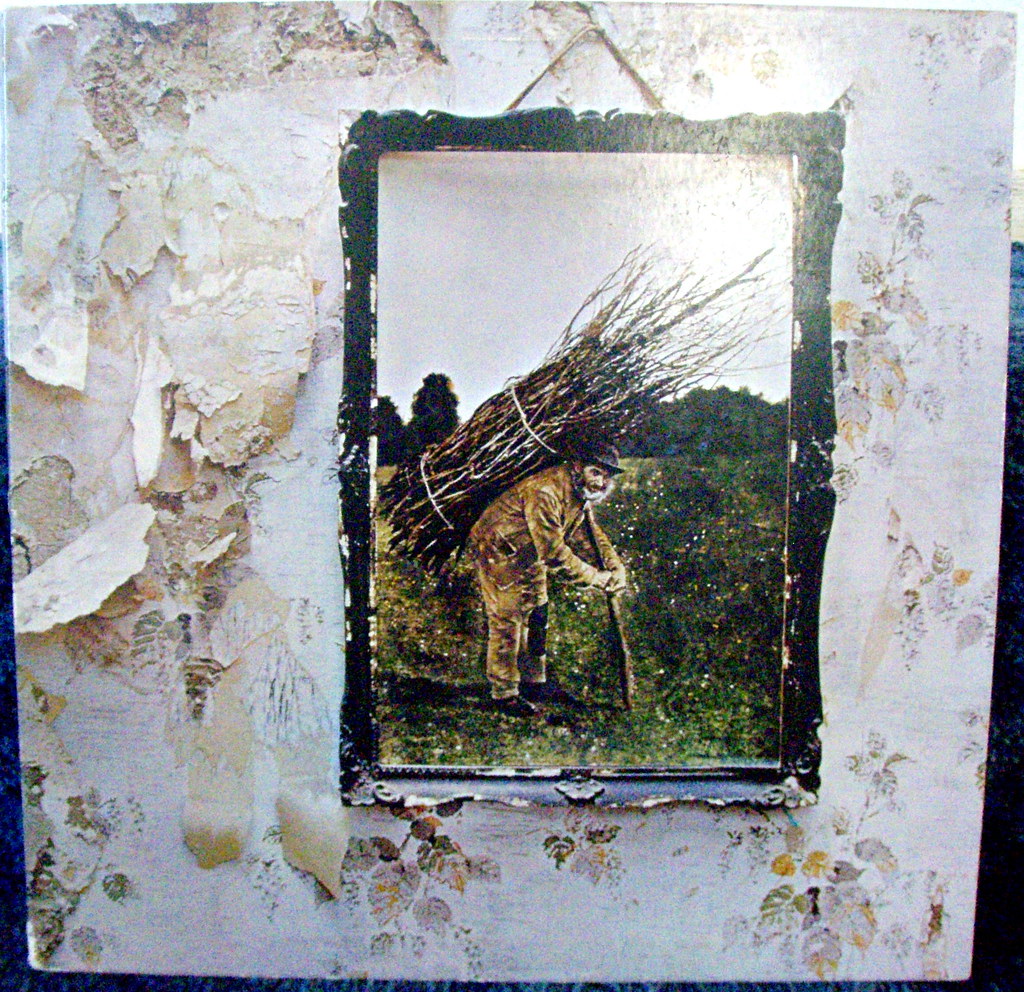
Led Zeppelin’s untitled fourth album, widely known as Led Zeppelin IV, is often cited as the moment the band perfected its balance of power and nuance. The record moves from the thunder of “Black Dog” and “Rock and Roll” to the acoustic delicacy of “Going to California” without losing momentum, which is why detailed rankings describe Led Zeppelin IV as “unburdened” by trends or filler. That assessment captures what makes the album feel perfect from start to finish: every stylistic shift serves the larger arc, from blues-rooted riffs to folk textures and mystical overtones.
Retrospectives on classic rock milestones go further, arguing that Led Zeppelin reshaped its own legacy with this record by weaving hard rock, English folk, and the blues across eight tightly edited tracks. The absence of obvious throwaways is crucial: even deep cuts like “Four Sticks” and “Misty Mountain Hop” feel like structural pillars rather than padding. That cohesion, paired with the cultural weight of “Stairway to Heaven,” has turned the album into a template for how to build a rock LP that rewards a complete listen instead of cherry‑picked singles.
Highway to Hell: AC/DC’s Lean, No‑Skip Statement
AC/DC’s Highway to Hell is another record that routinely appears in conversations about albums with no weak songs, and for good reason. The band strips its sound down to its most efficient form, delivering a sequence of riffs and choruses that never overstays its welcome. Lists of “no skip” releases single out Highway to Hell on the Albert and Atlantic labels as a prime example of a hard rock album where every track, from the title anthem to “Touch Too Much,” feels like a potential set‑list highlight rather than a B‑side.
That economy is part of why the record still anchors discussions of legendary rock albums. Social media debates around “no weak songs” projects often echo the same conclusion, with fans pointing to legendary rock albums that demand to be played straight through and highlighting AC/DC’s consistency as a benchmark. Highway to Hell earns that status not through conceptual ambition but through relentless quality control: tight song lengths, sharp hooks, and a sequencing that never lets the energy sag, even on comparatively mid‑tempo cuts.
Deep Purple and the Art of the Front‑to‑Back Listen
Deep Purple often enters the mainstream conversation through a single song, “Smoke On The Water,” which has become a rite of passage for guitar beginners and a staple of classic rock radio. Yet closer looks at the band’s catalog stress that non‑fans who only know that riff are missing albums where nearly every track justifies its place. Coverage of hard rock standouts notes that while most non‑fans just know Deep Purple from “Smoke On The,” there are very few opportunities to skip when the band is operating at full strength, which is the core requirement for a truly perfect album.
That argument places Deep Purple alongside other hard rock acts whose records are praised as “undeniably perfect from start to finish,” a phrase that has become shorthand for albums that reward complete, repeat listens. One recent overview of Hard Rock Albums to Finish, written by Em Casalena, underscores how rare it is for a record to stay “easily replayable” without any obvious low points, and it highlights a tight group of just 3 such albums rather than a sprawling list of 34 or more. In that context, Deep Purple’s best work stands out not only for iconic singles but for the way its deep cuts, instrumental interplay, and pacing create a listening experience that feels complete only when heard from the opening track through the closing fade.
These three albums also sit comfortably within broader surveys of flawless rock releases that range from hard‑edged records to more expansive concept works. Overviews of Perfect rock albums, for instance, place Pink Floyd’s The Dark Side of the Moon alongside names like Nick Mason and Dave Gilmour as examples of long‑form cohesion, even though the sound world is very different from AC/DC or Deep Purple. The common thread is structural discipline: whether it is Led Zeppelin IV’s genre‑blending, Highway to Hell’s lean punch, or Deep Purple’s riff‑driven epics, each record treats the album format as a single, carefully plotted statement rather than a loose collection of songs.
More from Vinyl and Velvet:

Leave a Reply