

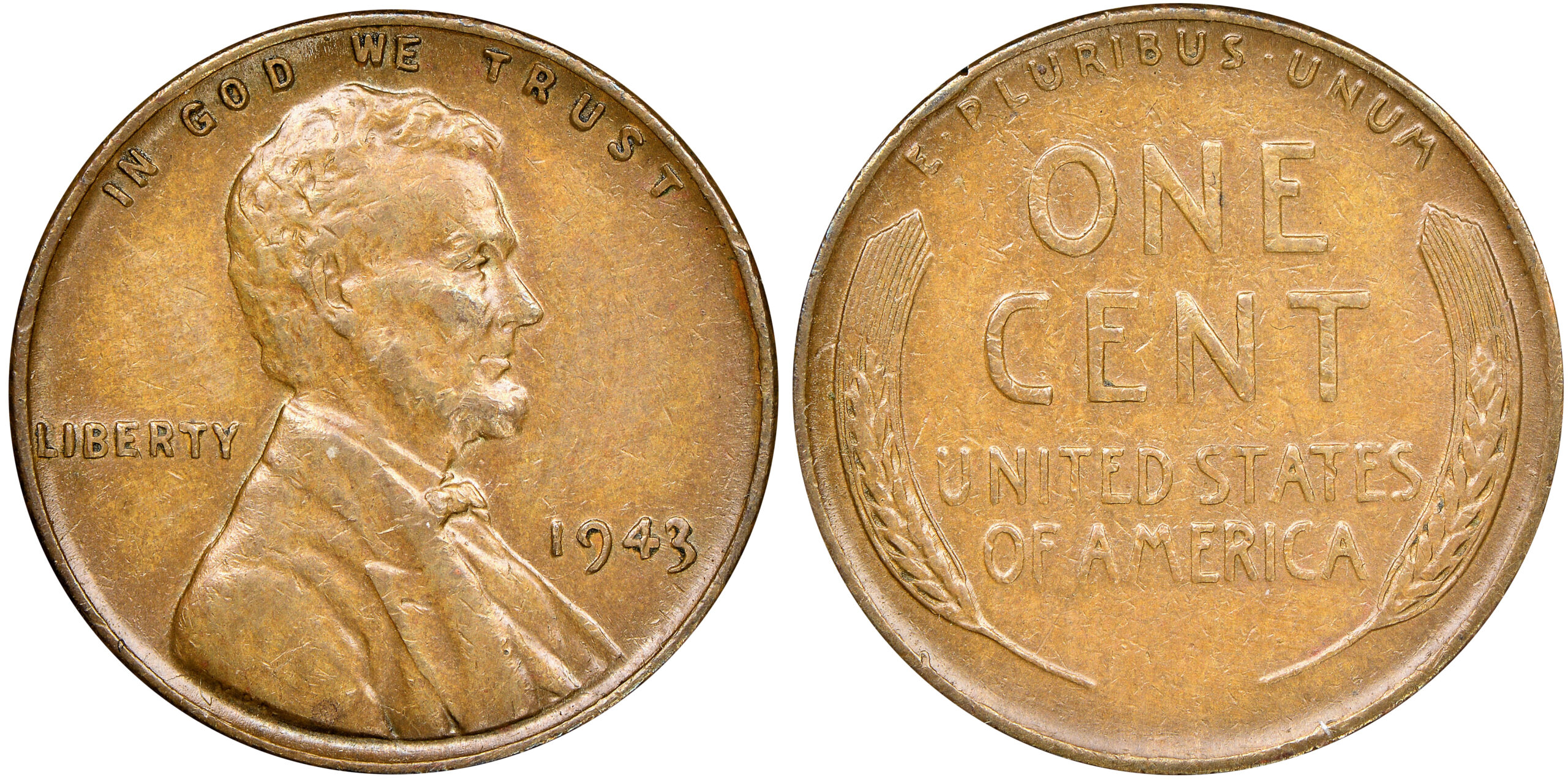
Hey there, coin enthusiasts and casual collectors! If you think searching for rare coins is only for serious numismatists or treasure hunters, think again. You might have some hidden gems lying around your home, and I’m not just talking about that old penny you found in your couch cushions. Let’s chat about three coins that are often overlooked but could actually be worth a pretty penny—or more! Who knows? You might just strike gold in your spare change jar.
The 1943 Copper Penny
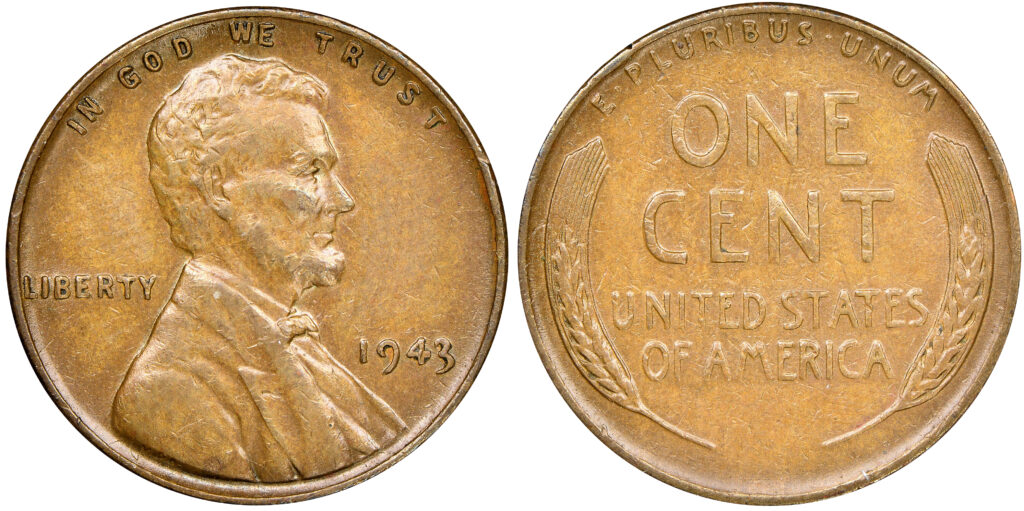
First up, let’s talk about the infamous 1943 copper penny. Now, you might be wondering, “What’s the big deal with a penny?” Well, this isn’t just any old penny. In 1943, the U.S. Mint switched to zinc-coated steel for the penny due to metal shortages during World War II. However, a few copper pennies were mistakenly struck that same year. If you happen to have one of those lucky copper coins, you could be sitting on a small fortune—some have sold for over $200,000!
To find out if your penny is one of the rare copper ones, check the date and the mint mark (look for a tiny letter “S” or “D” below the date). If it’s a 1943 penny with no mint mark, you might want to hang onto it. But beware! If it’s magnetic, it’s definitely not the copper version. So, no need to get too excited just yet—unless you’ve got a non-magnetic one, of course!
The 1970-S Proof Set Coins
Next on the list is the 1970-S proof set. This set is often overlooked because, let’s be honest, who actively collects proof sets from the ’70s? But here’s the kicker: the 1970-S penny is actually a rare item because it was the last year the U.S. Mint produced proof coins in San Francisco until 1983. If you’ve got this set tucked away in your attic or basement, it could be worth some serious cash. We’re talking anywhere from $20 to $100, depending on the condition and how many people are actively bidding on it at the moment.
Check for the “S” mint mark on your penny, and if you find it, you might want to give it a gentle wipe (no harsh chemicals, please!) and put it in a protective sleeve. It’s amazing how a little TLC can go a long way in preserving value. Plus, you’ll feel like a coin connoisseur every time you pull it out to show off to friends!
The 1982-D Small Date Penny
Last, but certainly not least, let’s chat about the 1982-D small date penny. This one’s a bit of a mystery in the coin world. Most people don’t even realize that there are two different varieties of the ’82 penny: the large date and the small date. The small date version is much rarer and can fetch anywhere from $300 to $600, depending on its condition. Not bad for a penny, right?
So how do you identify the small date? Grab a magnifying glass—yes, it’s time to channel your inner detective! Compare the size of the numbers in the date. The small date features thinner, more delicate-looking numerals, while the large date is, well, larger and bolder. If you find a small date in your collection, you might want to get it appraised. Just be prepared for the look of shock on your friends’ faces when you tell them a penny is worth more than their morning coffee!
Check Your Change!
Now that you’re armed with this newfound knowledge, it’s time to start rummaging through your change drawers and old coin collections. You never know what treasures you might uncover. Make sure to keep an eye out for these three overlooked coins—after all, they could be hiding in plain sight! And while you’re at it, don’t forget to enjoy the little journey of discovery. Coin collecting can be a fun and rewarding hobby, even if you don’t end up with a fortune.
In the end, whether you find something valuable or not, the thrill of the hunt is what makes it all worthwhile. So grab that old jar of coins, a comfy chair, and maybe even a cup of coffee, and enjoy the process. Happy hunting!
More from Vinyl and Velvet:

Leave a Reply