

The ‘70s were a groovy time, filled with bell-bottoms, disco balls, and music that still gets stuck in our heads. But while most of us were busy boogieing down at the local dance floor or figuring out how to work our new lava lamps, some stars were busy pushing boundaries in ways that would only be fully appreciated decades later. Let’s take a moment to celebrate three of these trailblazing ’70s icons who were weirdly ahead of their time.
1. Dolly Parton: The Queen of Reinvention
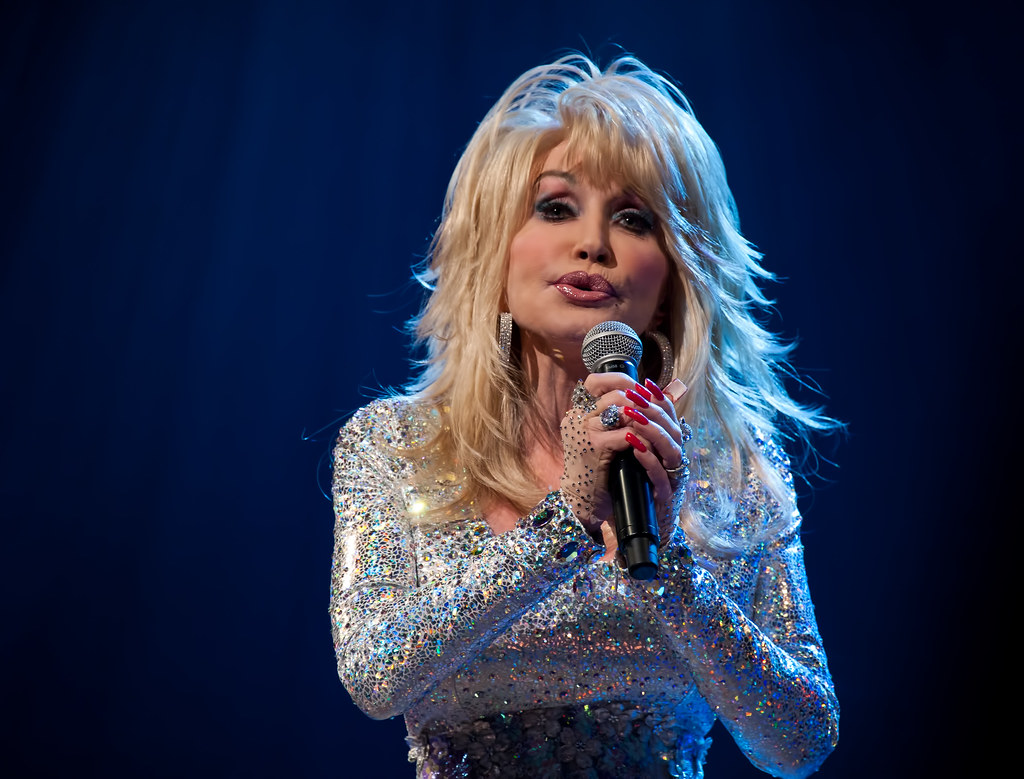
If you think of Dolly Parton today, you might picture the sparkling, larger-than-life figure who can belt out a country tune like nobody’s business. But back in the ‘70s, she was already laying the groundwork for a career that would redefine the meaning of versatility in entertainment. With her hit song “Jolene” and her charmingly quirky persona, Dolly wasn’t just a country singer; she was a savvy businesswoman who understood the power of branding long before Instagram influencers made it a thing.
Dolly was a pioneer in using her image and talent to challenge gender norms. She embraced her femininity while also asserting her independence, famously saying, “I’m not going to be a part of your traditional mold.” She wasn’t just singing about love and heartbreak; she was crafting a narrative that celebrated women’s strength and resilience. Today, we see countless female artists borrowing from her playbook, but back then, she was a true original.
2. Richard Pryor: The Comedic Truth-Teller
No list of ‘70s stars would be complete without mentioning Richard Pryor. His stand-up comedy was groundbreaking, mixing humor with raw honesty that tackled issues of race, poverty, and personal struggles. While others were making jokes about everyday life, Pryor was diving deep into the complexities of the human experience, often sharing his own painful past in a way that made people laugh and think at the same time. It’s a delicate balance, and he nailed it.
What’s fascinating is how Pryor’s comedy feels even more relevant today. In an age where conversations about race and social justice are at the forefront, his work from the ‘70s resonates in a way that’s almost eerie. He had this uncanny ability to connect with people on a personal level, making profound statements wrapped in humor. It’s this fearless vulnerability that set the stage for future comedians like Chris Rock and Dave Chappelle, who continue to challenge societal norms through their own lens.
3. Jane Fonda: The Activist with Style
Jane Fonda is often remembered for her iconic roles in films like “Klute” and “Coming Home,” but she was also a fierce advocate for social change during the ‘70s. Fonda didn’t just act; she used her platform to raise awareness about issues that mattered, from the Vietnam War to women’s rights. While many actors were content to stay within the confines of Hollywood, she stepped out and made waves, proving that art can be a powerful tool for activism.
Fonda’s commitment to activism was far ahead of her time. She didn’t shy away from controversy, famously protesting the Vietnam War and even landing herself in hot water for her outspoken views. Today, we see celebrities using their voices for change, but Fonda was a pioneer in blending celebrity culture with meaningful activism. Plus, let’s not forget her infamous workout videos in the ‘80s, which made fitness a mainstream priority—because who doesn’t want to get fit while rocking a leotard?
Why They Matter Today
So, what’s the takeaway from these ‘70s stars who were way ahead of their time? It’s simple: they were all about breaking barriers and redefining what it meant to be a public figure. Dolly Parton taught us that femininity and strength can go hand in hand, Richard Pryor showed us the power of comedy to address tough issues, and Jane Fonda proved that you can be both a star and a passionate activist.
In an age where social media often trivializes important conversations, these icons remind us that it’s possible to use your platform for something bigger than yourself. They paved the way for future generations to not only entertain but also engage in meaningful dialogues about society, culture, and personal identity.
More from Vinyl and Velvet:

Leave a Reply