

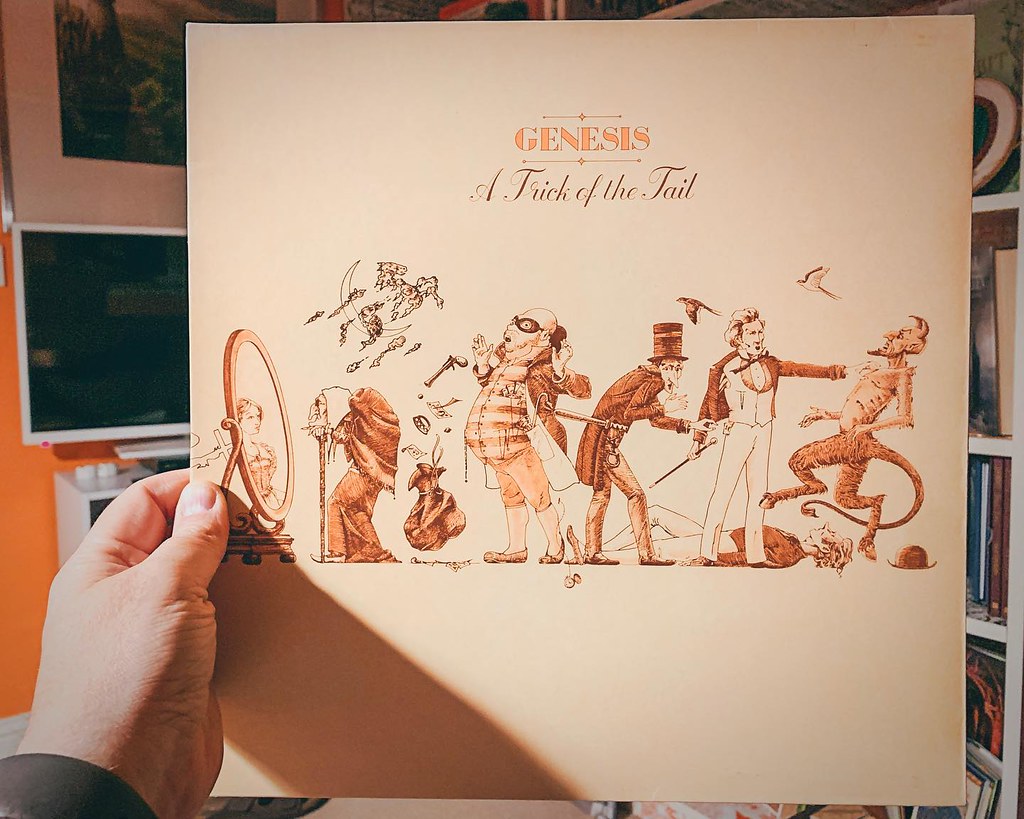
Imagine it’s the mid-1970s. Bell-bottoms are in, disco is just starting to take over the dance floors, and somewhere in a cozy studio, a group of musicians is about to change the musical landscape forever. That magical year, 1976, gave us one of the high points of progressive rock—a genre that’s as much about musical exploration as it is about pushing boundaries.
Now, if you’re a fan of intricate compositions, thought-provoking lyrics, and a dash of theatrical flair, you probably know what I’m talking about. Yes, I’m referring to none other than “A Trick of the Tail” by Genesis. This album not only marked a pivotal moment for the band but also helped solidify the progressive rock genre as a force to be reckoned with. So, let’s take a stroll down memory lane and see what makes this album a true gem.
The Genesis of a Classic
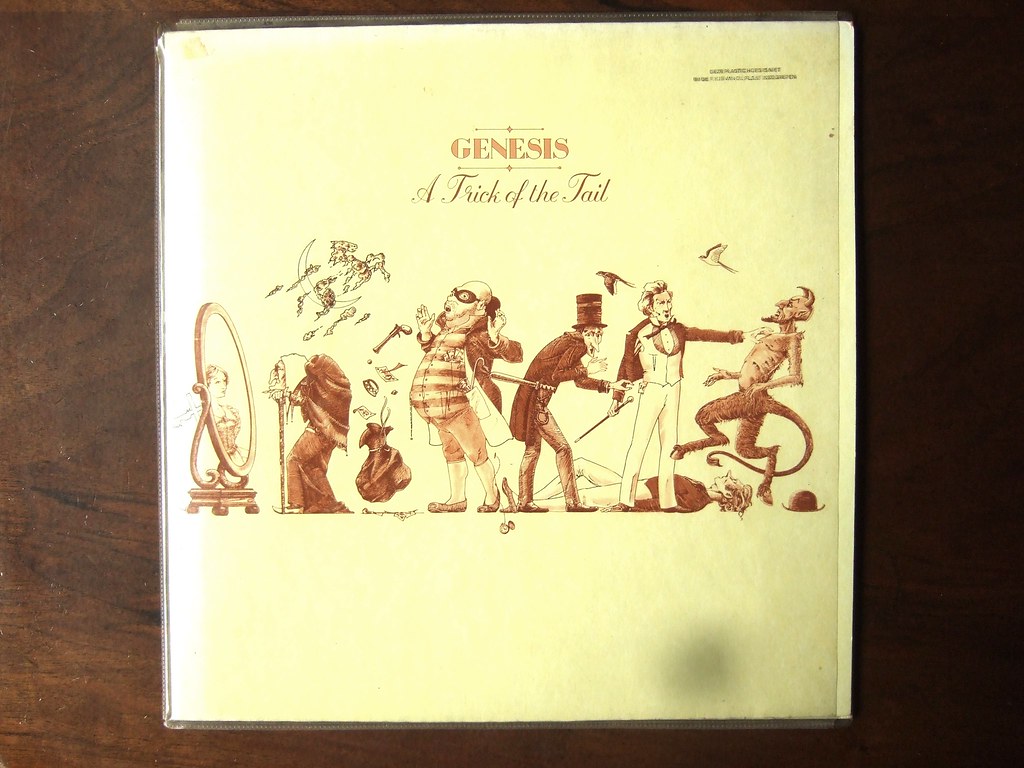
After the departure of their iconic frontman, Peter Gabriel, some folks thought Genesis was done for. I mean, losing a charismatic lead singer is no small deal. But instead of crumbling, the band took a deep breath, rallied the troops, and created something beautiful. Enter “A Trick of the Tail,” their first album without Gabriel, and boy, did they deliver!
Released in March 1976, the album showcases the band’s ability to weave complex narratives with lush musical landscapes. From the opening track, “Dance on a Volcano,” you can feel the energy. It’s like the band’s saying, “We’re not going anywhere!” With its intricate rhythms and soaring melodies, it draws you in and doesn’t let go.
The Tracks that Captivated Hearts
One of the standout tracks has to be “Entangled.” Just close your eyes and let the music wash over you—it’s like floating in a dream. The haunting vocals of Phil Collins, coupled with Mike Rutherford’s delicate guitar work, create an atmosphere that’s both soothing and thought-provoking. It’s almost like a warm hug on a chilly day, right?
And let’s not forget “Ripples.” If you’ve ever had a moment of nostalgia or reflection, this track will resonate. Its lyrical depth and melodic beauty make it a perfect fit for those quiet evenings when you’re curled up with a book or just gazing out the window, contemplating life. Seriously, it’s got that kind of vibe.
A Musical Journey
What makes “A Trick of the Tail” so special isn’t just the music; it’s the journey it takes you on. The album flows seamlessly from one track to the next, creating a cohesive experience that pulls you in and doesn’t let go. One minute you’re dancing to the exhilarating “Dance on a Volcano,” and the next, you’re lost in the reflective soundscapes of “Mad Man Moon.” It’s like a rollercoaster ride—thrilling and emotional all at once.
Plus, the musicianship on display is nothing short of phenomenal. The band members, Collins, Rutherford, Tony Banks, and new addition Daryl Stuermer, showcase their talents with such flair. You can almost hear them having fun, experimenting with different sounds and textures. It’s infectious!
The Legacy of Progressive Rock
When you think about progressive rock, it’s easy to get lost in the sprawling compositions and ambitious concepts. But “A Trick of the Tail” manages to balance complexity with accessibility. It’s not just for the die-hard prog fans; it’s an album that anyone can appreciate. It’s like that friend who’s super into sci-fi but can still recommend a rom-com that you’ll love.
In a way, this album helped pave the path for future bands. You can hear its influence in the works of groups like Marillion and Dream Theater. Genesis proved that progressive rock wasn’t just a passing trend; it was here to stay. They set the bar high, and the music world is better for it.
Why It Still Matters Today
Fast forward to today, and “A Trick of the Tail” still resonates with listeners. You might find it on playlists dedicated to classic rock, or you might stumble upon it in a vinyl shop where it’s proudly displayed. It’s a testament to the timeless nature of great music. Whether you’re a long-time fan or just discovering it, there’s something magical about pressing play and letting those melodies transport you back to a different time.
More from Vinyl and Velvet:

Leave a Reply