

Valuable coins are not just museum pieces or auction trophies, they can still surface in pocket change, coin jars and inherited collections. While some of the most famous Australian rarities no longer circulate as legal tender, they continue to trade actively among collectors and can emerge from old hoards or family stashes. Alongside them, a series of American Lincoln cents and a modern state quarter error genuinely still move through everyday commerce, giving you a real chance to find a coin worth far more than face value.
1) 1930 Australian Penny
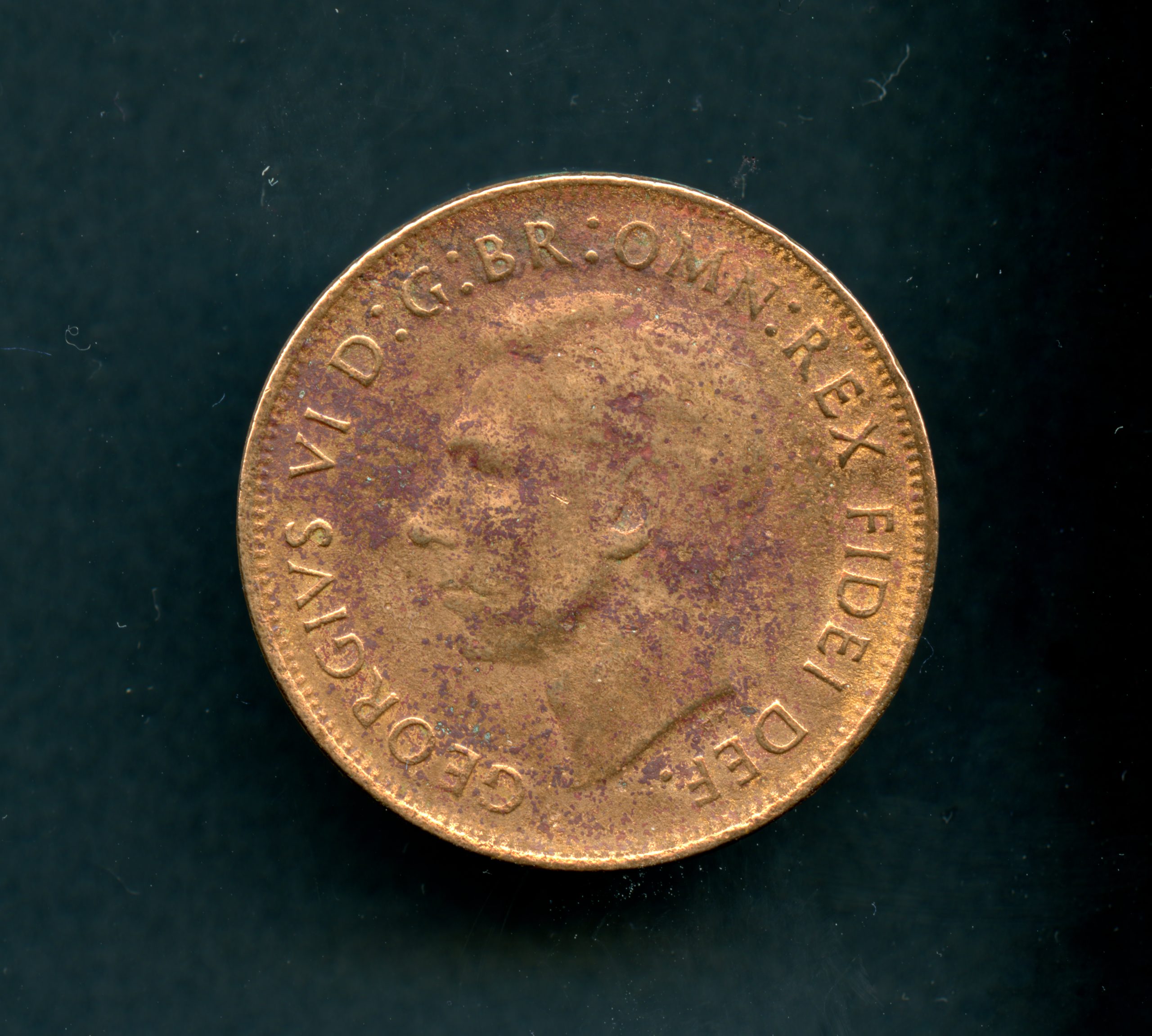
The 1930 Penny is widely regarded as Australia’s rarest circulating-era coin, and its scarcity has turned it into a national icon. Specialist analysis notes that Here you find the Penny described as one of the most valuable pieces from Australia, with its mystique rooted in a tiny mintage during the Great Depression. Although it is no longer legal tender after decimalisation, examples still surface from old tins and estates, bridging the gap between historic circulation and today’s collector market.
Modern price guides report that this 1930 Penny can sell from $17,000 to $200,000 depending on grade, with one proof striking in Sydney reportedly changing hands for AUD 1.15 m. A separate report on An Australian auction highlights a circulated example bringing $59,415, underlining how dramatically value climbs once a rare date leaves everyday use and enters the numismatic arena. For collectors, the stakes are clear, a single discovery in an inherited box can rival the price of a new car or even a home deposit.
2) 1892 Australian Shilling
The 1892 Australian Shilling is a pre-decimal silver coin that no longer circulates as money, yet it remains a key target in the secondary market because of a rare die break variety. Detailed coverage of rare Australian coins notes that high-grade examples of this specific 1892 Shilling variety can reach up to $5,000, a remarkable figure for a coin that once bought only modest goods. That price potential keeps collectors combing through inherited shilling accumulations and dealer stock.
Since these coins were withdrawn from circulation in 1966, your best chance of encountering one today is in old family collections or mixed silver lots rather than in change. The die break that defines the variety can be subtle, so careful magnified inspection is essential before dismissing an 1892 Shilling as bullion. For investors, the combination of silver content and numismatic premium illustrates how obsolete circulating coins can evolve into high-value collectibles long after they leave wallets.
3) 1918 Star Australian Penny
The 1918 Star Australian Penny is another pre-decimal bronze coin that no longer circulates but still commands strong demand because of a distinctive design feature. It is identified by a small star placed after the date, indicating a recut die that separates it from ordinary 1918 issues. Reporting on everything you need to know about key Australian pennies highlights how such minor design differences can transform a once-common denomination into a four-figure rarity.
Market summaries place the 1918 Star Penny around $4,000 in attractive condition, reflecting both its scarcity and the strong collector base for Australian pre-decimal bronze. While you will not receive one in modern change, these coins still “circulate” within the hobby, moving between auctions, dealers and private trades. For anyone sorting through inherited penny jars, spotting that tiny star after the date can be the difference between a low-value bulk coin and a life-changing find.
4) 1931 London Australian Penny
The 1931 London Australian Penny owes its value to a low mintage at the Royal Mint in London, which produced only a fraction of the pennies struck in Australia itself. Numismatic overviews of scarce Australian issues explain that this London-struck date is significantly harder to locate than its Melbourne counterparts, pushing collector prices to about $3,000 in higher grades. Although it no longer circulates as legal tender, it remains a classic “circulating-era” rarity that can emerge from old accumulations.
Because the 1931 London Penny looks similar to other George V pennies, many examples likely sat unnoticed in tins and drawers after decimalisation. Collectors focus on subtle diagnostics such as die markers and style of lettering to confirm London origin, which is crucial before assigning a premium value. For the broader market, this coin illustrates how mint location and mintage figures can dramatically influence what a once-ordinary penny is worth nearly a century later.
5) 1946 Perth Australian Penny
The 1946 Perth Australian Penny represents the post-war end of an era, struck in relatively small numbers at the Perth Mint as Australia transitioned out of World War II. Coverage of valuable Australian pennies notes that surviving examples from Perth are scarce enough to command about $2,500 in collector grades, even though they were everyday change in the late 1940s. That price reflects both limited production and heavy circulation wear that left few high-quality coins.
Today, the 1946 Perth Penny no longer circulates in commerce, but it still moves actively through auctions and private sales. Collectors look for sharp detail in the monarch’s portrait and minimal spotting, since condition drives the difference between a modest and a four-figure result. For anyone assessing an inherited pre-decimal collection, identifying the 1946 date and confirming Perth origin can unlock significant hidden value in what might appear to be a simple bronze coin.
6) 1933 Bombay Australian Penny
The 1933 Bombay Australian Penny was minted in India during a period of economic strain, and that unusual origin helps explain its desirability today. Reports on scarce Australian pennies describe how this Bombay-struck issue, once part of normal circulation, now reaches around $2,000 when well preserved. Its story reflects the logistical challenges of supplying coinage across the British Empire during the interwar years.
Although it is no longer legal tender, the 1933 Bombay Penny still “circulates” vigorously in the numismatic marketplace, where collectors prize coins with clear details and minimal corrosion. Identifying Bombay issues often involves studying small design differences and minting characteristics, so many casual holders may not realise what they have. For investors and historians alike, this coin encapsulates how global minting arrangements can leave a lasting legacy in today’s collecting trends.
7) 1915H Australian Penny
The 1915H Australian Penny carries an “H” mintmark that points to Heaton’s facility in the United Kingdom, a detail that transforms an otherwise routine date into a sought-after variety. Analyses of pre-decimal Australian coins explain that this mintmark is significantly scarcer than domestic issues, with auction prices approaching $1,500 for attractive pieces. During its original life it circulated freely, but decimalisation pushed it out of everyday use and into the collector sphere.
Because the “H” is small and easily overlooked, many 1915H pennies may still sit unidentified in inherited collections or bulk lots. Careful inspection of the reverse is essential, since a regular 1915 penny is far less valuable than one bearing the Heaton mark. For collectors, the 1915H highlights how tiny design elements can have large financial implications, turning a common bronze disc into a four-figure numismatic asset.
8) 1918/7 Overdate Australian Penny
The 1918/7 Overdate Australian Penny is a classic error variety created when a 1917 die was repunched for 1918, leaving traces of the underlying “7” beneath the “8.” Detailed write-ups on rare Australian pennies state that this overdate can bring more than $1,200, reflecting the strong demand for dramatic minting mistakes from the pre-decimal era. While it no longer circulates as money, it remains a highly active trading piece among specialists.
Spotting the overdate requires magnification and familiarity with the normal 1918 date style, which means many examples may have passed unnoticed through circulation before withdrawal. For collectors, the coin demonstrates how production shortcuts, such as die reuse, can inadvertently create varieties that become far more valuable than standard issues. In the broader market, it underscores the importance of scrutinising dates closely rather than assuming all pennies of a given year are equal.
9) 1943 Bronze Lincoln Cent
The 1943 Bronze Lincoln Cent is one of the most famous American error coins, created when a few copper planchets were struck instead of the wartime zinc-coated steel. A detailed survey of valuable American coins reports that this bronze 1943 cent is worth over $100,000, with finds most often associated with Midwestern states such as Ohio. Unlike the obsolete Australian pennies, this coin type is still legal tender, so in theory it can appear in circulation, although the odds are extremely low.
Collectors authenticate 1943 bronze cents by checking weight, colour and magnetic response, since genuine pieces are non-magnetic and heavier than steel cents. Because of the six-figure stakes, professional grading and verification are essential before any sale. For everyday savers, the existence of such a valuable error in a common series shows why it is worth examining even lowly one-cent coins instead of dismissing them as pocket clutter.
10) 1955 Doubled Die Obverse Lincoln Cent
The 1955 Doubled Die Obverse Lincoln Cent is a dramatic variety where the date and inscriptions on the front of the coin show strong doubling visible to the naked eye. Reporting on high-value American cents notes that this error, often discovered in Southern states like Texas, typically sells for $1,000 to $2,000 depending on condition. Unlike pre-decimal Australian issues, 1955 cents remain legal tender, so examples can still surface in rolls, jars and bank-wrapped change.
Collectors focus on bold doubling in “LIBERTY” and “IN GOD WE TRUST,” which distinguishes the true variety from minor strike doubling. Because the coin is famous, counterfeits and altered pieces exist, making authentication important before paying a premium. For casual searchers, the 1955 doubled die illustrates how a single production mishap can turn an otherwise ordinary cent into a four-figure prize that still moves through the modern economy.
11) 1969-S Doubled Die Obverse Lincoln Cent
The 1969-S Doubled Die Obverse Lincoln Cent is another major variety, known for strong doubling on the date and lettering that rivals the 1955 issue in visual impact. Coverage of rare American cents explains that high-grade examples can fetch $35,000 or more, with many discoveries linked to circulation in California. Because 1969-S cents are still legal tender, this variety technically remains in the pool of coins that might appear in bank rolls or old change jars.
Authentication is crucial, since the value difference between a normal 1969-S cent and a doubled die is enormous. Collectors look for crisp, separated doubling rather than blurred outlines, and they often rely on third-party grading services to confirm authenticity. For the broader hobby, the 1969-S doubled die underscores how modern minting errors can rival classic rarities in value, keeping interest high in searching even relatively recent pocket change.
12) 1972 Doubled Die Obverse Lincoln Cent
The 1972 Doubled Die Obverse Lincoln Cent offers a more accessible entry point into valuable error coins, with noticeable doubling on the date and inscriptions but a larger surviving population. Analyses of American coin finds indicate that this variety typically sells for $200 to $500, and it has been reported frequently in circulation from Northeastern states such as New York. Because 1972 cents remain common in jars and rolls, the odds of encountering one are far better than for six-figure rarities.
Collectors distinguish the primary doubled die from lesser varieties by looking for clear separation in “LIBERTY” and “IN GOD WE TRUST.” Even in circulated grades, the premium over face value is substantial, making it worthwhile to check older cents carefully. For everyday savers, this coin demonstrates that you do not need a once-in-a-lifetime discovery to profit from searching change, mid-range errors can still deliver meaningful returns.
13) 1995 Doubled Die Obverse Lincoln Cent
The 1995 Doubled Die Obverse Lincoln Cent is a modern variety where the word “LIBERTY” and the date show clear doubling, especially noticeable under magnification. Reports on state-by-state coin finds highlight that this error is particularly associated with circulation in Pennsylvania, with values of $500 or more for attractive examples. Since 1995 cents are still abundant in commerce, this variety remains one of the more realistic high-value targets in everyday change.
Unlike earlier doubled dies, the 1995 variety often appears in relatively high grades because it is a recent issue, which helps support its market premium. Collectors still rely on authentication, but the strong, consistent doubling pattern makes identification straightforward once you know what to look for. For the broader collecting community, this coin shows how even late twentieth-century issues can develop serious value when a clear minting error is involved.
14) 1999 Wide AM Lincoln Cent
The 1999 Wide AM Lincoln Cent is a subtle but valuable variety defined by extra spacing between the “A” and “M” in “AMERICA” on the reverse. Detailed discussions of modern cent errors note that this design difference can raise a coin’s value to $50 to $100, with finds more common in Western states such as Washington. Because 1999 cents remain in active circulation, this variety is a realistic target for roll hunters and casual searchers alike.
Identifying the Wide AM requires comparing the spacing to normal coins, where the letters nearly touch. Collectors also check other design markers to confirm the variety and avoid confusing it with similar but less valuable issues from other years. For everyday users of cash, the 1999 Wide AM illustrates how small design tweaks, often the result of using a proof reverse on circulation dies, can create a profitable niche within a very familiar coin series.
15) 2004-D Wisconsin Extra Leaf Low Quarter
The 2004-D Wisconsin Quarter with Extra Leaf Low is a state quarter variety where an additional leaf appears near the ear of corn on the reverse, likely caused by a die gouge or crack. Analyses of modern American coins report that this error, especially associated with circulation in Wisconsin and neighbouring states, can bring $100 or more depending on condition. Because state quarters still circulate heavily, this is one of the most attainable high-value finds in current pocket change.
Collectors distinguish between “Extra Leaf Low” and “Extra Leaf High” varieties, both of which carry premiums, but the low version is particularly sought after. Searching bank rolls of Wisconsin quarters or mixed state quarter lots remains a popular strategy among hobbyists hoping for a windfall. For the broader market, the 2004-D Extra Leaf Low quarter proves that even recent commemorative issues can produce errors that turn a 25 cent coin into a three-figure collectible.

Leave a Reply