

Every December, your kitchen probably transforms into a holiday time capsule, filled with special pieces that only appear when the tree is lit and the cookie dough is chilling. These once-a-year treasures carry family history, regional tradition, and a comforting sense of ritual. Here are 12 vintage Christmas kitchen items that earned their spot in the cupboard by disappearing for eleven months, then instantly making the season feel real the moment you brought them out.
1) Patterned Christmas tablecloths
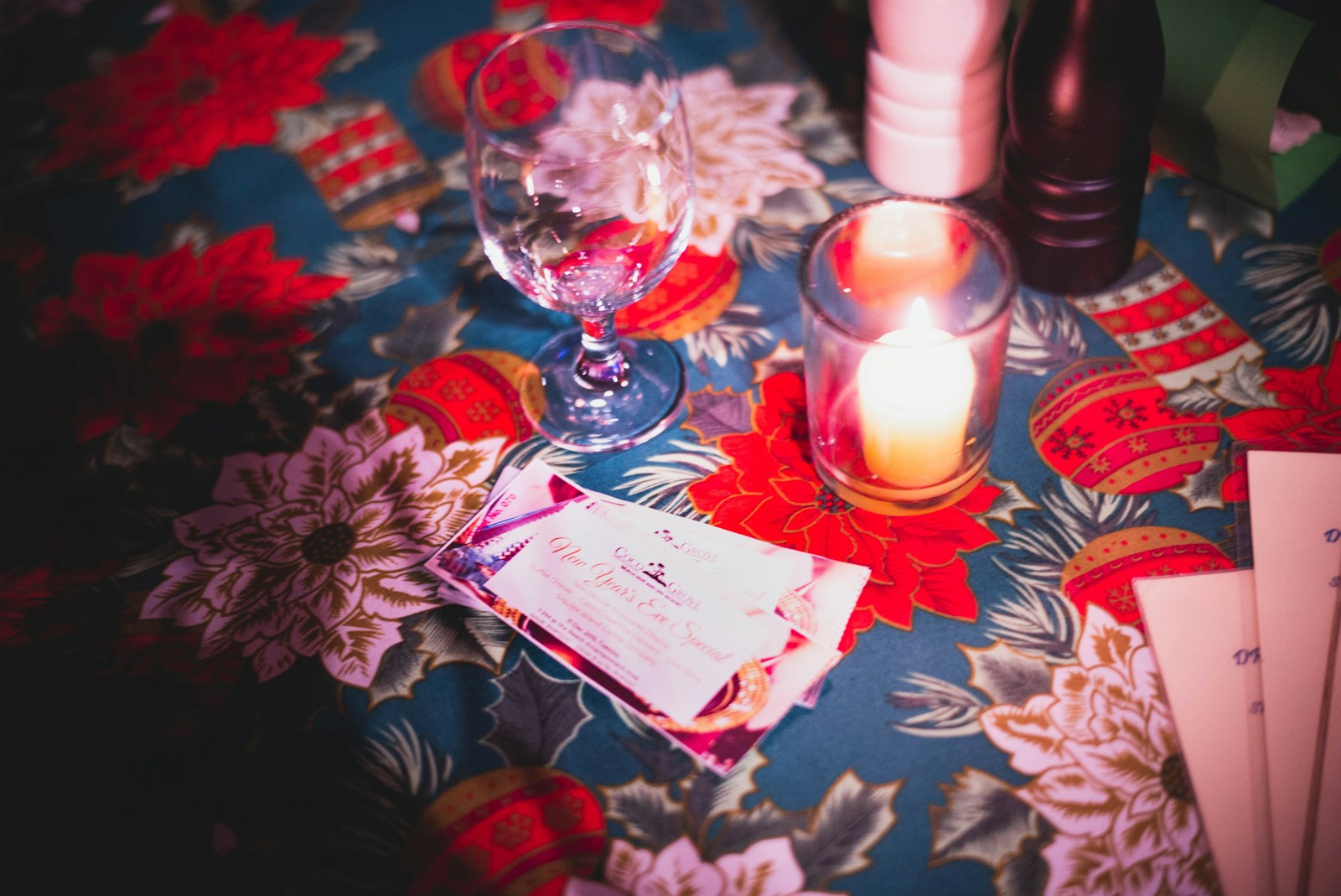
Patterned Christmas tablecloths were often the first sign that your kitchen was officially in holiday mode. You would smooth a fabric covered in poinsettias, holly, or tartan checks across the table, instantly turning an everyday surface into a seasonal stage for cookies, cocoa, and big family breakfasts. Many households treated that cloth like a tradition in itself, unfolding the same print year after year so the pattern became as familiar as the ornaments on the tree.
That ritual fits neatly with the kind of old-fashioned holiday customs that guides to classic Christmas traditions encourage you to protect and repeat. Keeping a dedicated Christmas tablecloth signals that the meal is more than food, it is a shared event with its own visual language. For younger relatives, seeing that fabric appear can quietly mark the start of the season, reinforcing the idea that home has its own reliable rhythm every December.
2) Vintage holiday mixing bowls
Vintage holiday mixing bowls, often decorated with winter scenes or bright red and green bands, tended to live at the back of a cabinet until cookie season arrived. You might reach for them only when it was time to cream butter and sugar, stir fudge, or whip up a big batch of gingerbread batter. Their weight, color, and even the sound of a wooden spoon scraping the glaze became part of the sensory memory of baking days that stretched late into the evening.
Enthusiasm for retro kitchenware has helped similar vintage-inspired pieces return to everyday counters, but many people still reserve their most nostalgic bowls for December. Using them only at Christmas keeps the glaze from wearing out and preserves the emotional punch of seeing them again. For home bakers, that choice turns a simple tool into a seasonal heirloom, linking new recipes to the ones grandparents once stirred in the same rounded sides.
3) Holiday cookie tins
Holiday cookie tins, often printed with snowy villages or toy-shop scenes, were a fixture of Christmas kitchens that appeared just as the first batch came out of the oven. You would line them with wax paper, stack layers of shortbread or spritz cookies, then snap the lid shut with a satisfying click. Some tins arrived filled with store-bought treats, but the real magic started once you washed them out and refilled them with your own baking year after year.
Collectors of vintage fast food collectibles know how quickly a simple container can become a cherished object, and Christmas tins follow the same pattern. Limiting their use to December protects the graphics from fading and keeps the contents feeling special. For hosts, setting out a familiar tin on the counter signals that guests are welcome to help themselves, turning a decorative box into a quiet invitation to linger and snack.
4) Once-popular Christmas glassware
Once-popular Christmas glassware, from tumblers etched with snowflakes to punch cups trimmed in metallic bands, often spent most of the year wrapped in newspaper. You would carefully unpack each piece when the calendar flipped to December, lining them up for eggnog, sparkling punch, or a round of toasts before opening presents. Their shapes and patterns were distinctive enough that relatives could recognize “their” glass from childhood photos.
Guides to the once-popular vintage kitchen item that is making a comeback in 2026 highlight how quickly nostalgia can revive interest in older designs. When you reserve Christmas glassware for a few festive weeks, you preserve that sense of occasion and protect delicate rims from everyday chips. For anyone hosting a crowd, bringing out a dedicated holiday set also simplifies planning, since the number of glasses quietly sets the limit for how many people can gather around the table at once.
5) Ceramic Christmas cookie jars
Ceramic Christmas cookie jars, often shaped like Santa, snowmen, or stacked presents, were the playful guardians of your holiday sweets. They would appear on the counter only after the first serious baking session, suddenly replacing the plain jar that held snacks the rest of the year. Children learned to recognize the sound of that seasonal lid lifting, and many adults can still picture the exact face painted on the front.
Videos that invite you to step back into 1970s kitchens show how themed containers once dominated countertops across America, and Christmas jars were a big part of that look. Keeping them boxed up until December protects fragile paint and keeps the design from feeling ordinary. For modern households, reviving the habit of a once-a-year cookie jar can be an easy way to give kids a tangible signal that the season of sharing, gifting, and sneaking treats has officially begun.
6) Christmas-themed serving platters
Christmas-themed serving platters, often oval and decorated with wreaths, bells, or script greetings, were reserved for the most important dishes of the season. You might only see them when the roast came out of the oven, when the ham was glazed, or when the main cookie assortment was finally ready for display. Their size and sturdy feel made them practical, but the artwork turned even simple sliced bread into part of the holiday tableau.
Because they appeared only for big meals, these platters often became linked to specific family roles, like the person who always carved or the relative who arranged the dessert spread. Limiting their use to Christmas protects the finish from scratches and keeps the pattern from blending into everyday life. For hosts juggling multiple courses, having a dedicated holiday platter also simplifies planning, since you know exactly which piece will anchor the center of the table each year.
7) Seasonal punch bowls and ladles
Seasonal punch bowls and ladles, sometimes pressed with holly leaves or trimmed in red, were the social hub of many vintage Christmas gatherings. You would bring the bowl out from a high shelf, polish the glass, and set it on a sideboard before filling it with sherbet punch, spiced cider, or a sparkling mix. The matching ladle, often stored separately to avoid chips, completed the set and signaled that guests were expected to serve themselves and mingle.
Because punch bowls take up so much space, most households only justified owning one if it had a clear purpose, and Christmas parties were often that reason. Keeping the set boxed up for the rest of the year preserved its clarity and kept the ritual of mixing punch from feeling routine. For anyone trying to encourage conversation, a dedicated holiday bowl also acts as a natural gathering point, drawing people away from screens and into shared stories around the ladle.
8) Christmas casserole dishes
Christmas casserole dishes, often stoneware or glass with festive borders, were the workhorses of holiday cooking that still felt too special for weeknight dinners. You might only reach for them when it was time to bake stuffing, scalloped potatoes, or a sweet breakfast casserole for a crowd. Their patterns were subtle enough to stack with everyday pieces, yet distinctive enough that everyone recognized them as “the Christmas pan.”
Many families treated these dishes as semi-formal, saving them for recipes that appeared only once a year. That habit protected the finish from constant oven wear and kept the association between the dish and the smell of specific foods. For home cooks, having a dedicated Christmas casserole also simplifies planning, since you can mentally assign it to a signature recipe and know that when the pan comes out, the holiday menu is officially underway.
9) Holiday-themed salt and pepper shakers
Holiday-themed salt and pepper shakers, shaped like tiny Santas, reindeer, or snow-covered cottages, were small but memorable touches on vintage Christmas tables. You would swap out the plain shakers for these novelty versions just before guests arrived, often pairing them with matching napkin rings or place cards. Their whimsical shapes invited conversation and gave children something to examine while waiting for the meal to begin.
Because they were fragile and highly specific, these shakers usually lived in padded boxes for most of the year. Bringing them out only in December kept the paint crisp and the novelty intact. For hosts, the ritual of unwrapping and refilling them can be a quiet moment of preparation, a reminder that even minor details contribute to the overall feeling of care and celebration that defines a well-loved Christmas kitchen.
10) Christmas-themed aprons
Christmas-themed aprons, often printed with candy canes, holly, or full Santa suits, turned ordinary kitchen work into part of the holiday performance. You might hang one on a hook all year, but actually tie it on only when it was time for marathon baking sessions or the main holiday meal. The fabric absorbed splatters from gravy and frosting, sparing your clothes while also signaling that you were officially “on duty” as the seasonal cook.
Many families passed these aprons down, with stains and frayed ties becoming part of their charm. Limiting their use to December kept the prints from fading and preserved the emotional impact of seeing them again. For children watching from the doorway, the moment a parent or grandparent put on that specific apron often marked the start of serious holiday preparation, reinforcing the idea that traditions are built through repeated, visible actions in the kitchen.
11) Christmas-themed drinkware for kids
Christmas-themed drinkware for kids, from plastic tumblers with snowmen to handled mugs printed with reindeer, often appeared only when the tree was lit. You would pull them from a high shelf or the back of a cabinet, wash off the dust, and fill them with hot chocolate, milk for cookies, or juice at holiday breakfasts. Their smaller size and sturdy construction made them practical, but the designs made children feel like they had their own place in the celebration.
Because these cups were so closely tied to childhood, many adults remember the exact image on the side long after the plastic has clouded. Keeping them reserved for December preserves that emotional link and prevents the artwork from wearing away too quickly. For parents, bringing out the same cup each year can be a simple way to track growth, as little hands gradually wrap more easily around a handle that once seemed oversized.
12) Decorative Christmas canisters
Decorative Christmas canisters, often labeled for sugar, flour, or coffee and wrapped in seasonal motifs, were the quiet organizers of holiday kitchens. You might swap them in for your everyday set at the start of December, filling them with baking staples or candy canes. Their coordinated designs made even cluttered counters look intentional, turning practical storage into part of the overall décor.
Because they required emptying and refilling, most people only committed to using these canisters for a short, defined period. That limited window kept the graphics bright and the novelty fresh each year. For anyone managing a busy holiday schedule, dedicating specific containers to Christmas baking ingredients can also streamline prep, since you know that when those canisters are full, you are stocked and ready for the season’s most ambitious recipes.
More from Vinyl and Velvet:

Leave a Reply