

Baby boomers are famous for hanging on to stuff, from shelves of figurines to boxes of old media. While some of those possessions get mocked as clutter, a surprising number now attract real money from younger collectors chasing nostalgia, design, or analog experiences. If you are sitting on any of these items, you may be holding exactly what a Gen Z or millennial buyer is quietly hunting for.
1) Vinyl Records
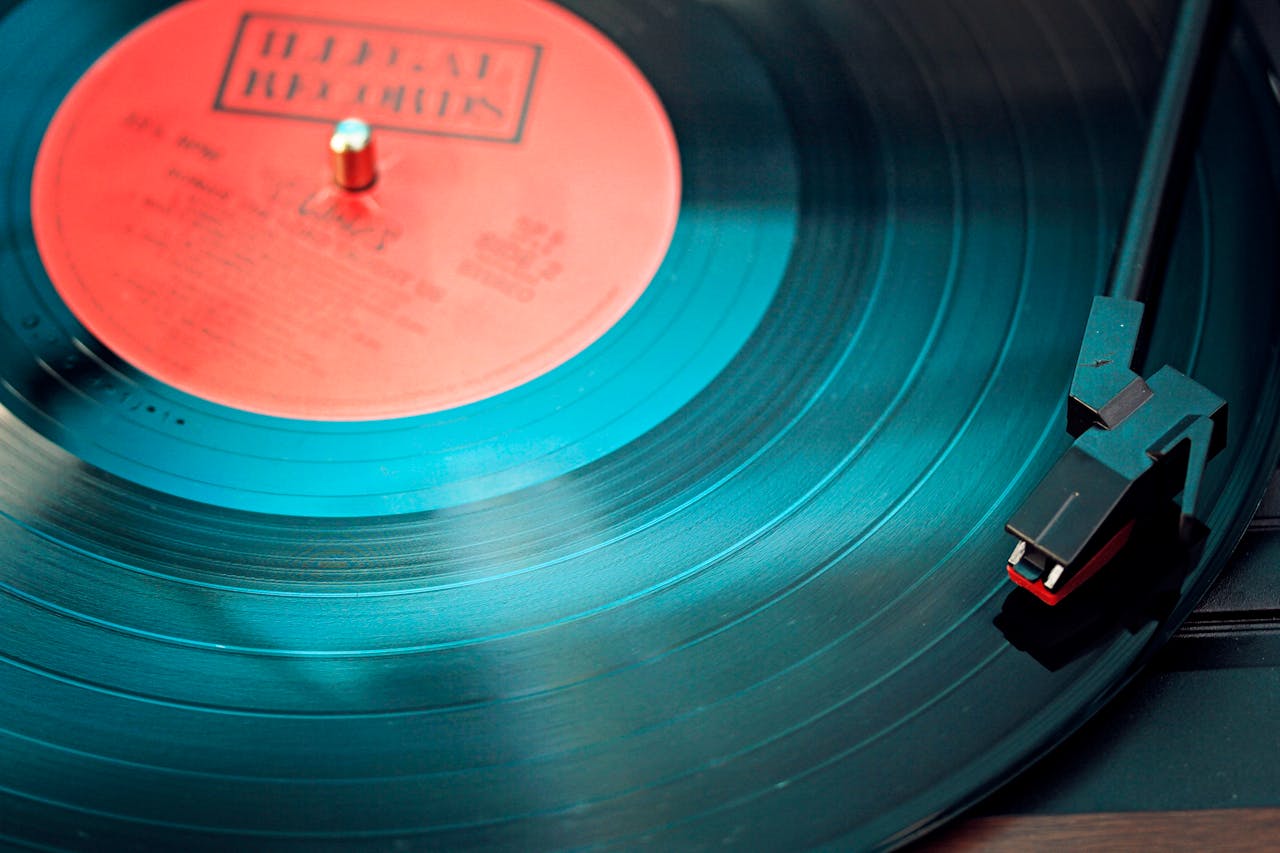
Vinyl records are a classic example of something boomers brag about while younger people pretend not to care. Generational pieces on what older adults proudly show off describe how they still talk up their physical media collections, even as younger friends nod politely and change the subject. Yet the same younger crowd is driving a renewed market for rare pressings, limited runs, and clean copies of albums that never made it to streaming. First pressings of rock staples, obscure soul records, and early punk releases can sell for far more than the original sticker price.
That quiet demand is part nostalgia and part rebellion against disposable listening habits. Younger collectors want the tactile ritual of dropping a needle, the large-format artwork, and the sense of owning music instead of renting it. When boomers keep entire walls of LPs alphabetized and in sleeves, they are preserving exactly the kind of curated archive that younger buyers now scour record fairs to find. Even if some titles are common, a single scarce jazz or new wave record in excellent condition can turn a dusty shelf into a serious payday.
2) Beanie Babies
Beanie Babies are often cited among the “valuable” collectibles boomers refuse to toss, only to be told they are basically worthless. Coverage of supposedly dead-end keepsakes lists these plush toys as a cautionary tale, noting that most mass-produced bears and cats never justified the hype. Yet that same reporting concedes that specific characters in mint condition, with intact tags and early production errors, still command real prices from younger buyers who grew up seeing them everywhere. The broad market may have collapsed, but pockets of demand remain.
For millennials who remember Beanie Babies in every classroom and gift shop, owning a rare Princess Diana bear or a first-generation Peanut the Royal Blue Elephant is a way to reclaim a piece of childhood. Online resale platforms show that authenticated examples can still sell for hundreds of dollars, especially when they come from smoke-free homes and original storage bins. If you have tubs of these toys in the attic, the trick is not to assume they are all trash or treasure, but to identify the handful that younger collectors will actually pay for.
3) Hummel Figurines
Hummel figurines, the porcelain children in pastel scenes, are another staple in lists of collectibles boomers refuse to part with despite warnings they are “actually worthless.” Articles on fading boomer keepsakes point out that mass-market figurines flooded the secondary market, driving prices down and leaving many sellers disappointed. However, those same analyses acknowledge that limited editions, early West Germany marks, and pristine boxed sets still attract niche buyers who appreciate the craftsmanship and mid-century aesthetic.
Many of those buyers are younger collectors who grew up seeing Hummels in grandparents’ china cabinets and now want a curated few for their own shelves. Rather than filling a room, they might seek one or two pieces that fit a vintage or cottagecore interior. That shift in taste means a large, mixed collection may not sell as a lot, but individual rarities can still bring in meaningful cash. For boomers, the key is to separate common figurines from scarce ones that younger enthusiasts quietly hunt for at estate sales.
4) Precious Moments Collectibles
Precious Moments collectibles, with their teardrop-eyed characters and sentimental poses, are often lumped in with other boomer-era figurines that supposedly lost all value. Lists of valueless keepsakes mention how shelves of porcelain statues rarely fetch what owners expect. Yet the official site inviting people to Shop Precious Moments for figurines, ornaments, and dolls underscores that the brand still cultivates a collector base, including younger fans drawn to retro religious and sentimental art.
Limited-edition runs, retired designs, and pieces tied to specific years or events can be especially attractive to millennials building themed displays. Some use them ironically, mixing saccharine statues into edgy interiors, while others genuinely appreciate the soft color palette and nostalgic feel. For boomers with cabinets full of these figures, the broad market may be soft, but carefully photographed, well-documented pieces can still find buyers who are willing to pay for the exact design that matches a memory or aesthetic.
5) Vintage Typewriters
Vintage typewriters are one area where younger generations openly admit boomers got it right. Reporting on what younger people now praise highlights how analog tools, from mechanical keyboards to paper planners, are being rediscovered as antidotes to constant screen time. In that context, classic Smith-Corona and IBM Selectric machines, which many boomers kept for sentimental or backup use, have become sought-after objects. Articles on how younger people are admitting baby boomers got these 17 things right note that physical media and durable equipment are back in style.
For younger writers, artists, and influencers, a working typewriter is both a creative tool and a design statement. They pay for machines that still have crisp type, intact ribbons, and cases that photograph well on social media. That demand has pushed up prices for fully serviced models, especially in popular colors like teal or avocado. Boomers who stored their typewriters in closets instead of tossing them now find that younger buyers will pay a premium for the very clack and ding that once seemed obsolete.
6) Film Cameras
Film cameras, from 35mm SLRs to compact point-and-shoots, are another category where boomer habits suddenly look prescient. Coverage of younger generations reassessing boomer choices points out that physical photography, once dismissed as outdated, is now prized for its texture and unpredictability. The same sources that praise analog tools describe how younger people buy and restore film cameras for aesthetic shoots, treating grain, light leaks, and manual focus as creative features rather than flaws.
Many boomers kept their Canon AE-1, Nikon F series, or Minolta bodies in drawers, along with lenses and flashes, long after switching to digital. Those kits now appeal to Gen Z photographers who want to learn exposure the hard way and post scans that stand out from smartphone images. Working shutters, clean glass, and original straps can significantly increase resale value. For owners, the implication is clear: what once felt like outdated tech has become a gateway for younger collectors into slower, more intentional image-making.
7) Cassette Tapes
Cassette tapes sit at the intersection of boomer bragging and younger collectors’ quiet enthusiasm. Articles on things older adults proudly show off describe how they still talk about their tape decks, mixtapes, and glove-compartment collections, even as younger listeners act politely indifferent. Yet the same retro culture that revived vinyl has also sparked interest in cassettes, especially limited-run albums, underground demos, and homemade mixes that capture a specific time and place.
For younger collectors, cassettes offer a lo-fi sound and a tangible connection to pre-digital music culture. They hunt for tapes from local scenes, early hip-hop, or obscure metal bands that never made it to streaming. Even blank tapes with handwritten track lists can carry value as artifacts of how people once shared music. Boomers who kept shoeboxes of cassettes, especially in playable condition, may find that what looked like obsolete plastic now attracts buyers who want to own a piece of that analog storytelling.
8) Polaroid Cameras
Polaroid cameras are another item boomers love to brag about, often recalling the thrill of instant prints at family gatherings. Generational essays on what older adults still show off mention these chunky cameras as symbols of a more tactile era, even as younger guests smile and pull out their phones. Behind that politeness, however, is a thriving market for working instant cameras, from classic SX-70 models to 600-series bricks that pair perfectly with modern film packs.
For Gen Z and millennials, instant photography is both a social activity and a design choice, producing unique prints that cannot be endlessly edited. They pay for cameras with clean rollers, functioning flash bars, and intact viewfinders, especially in rare colors or special editions. That demand has turned many boomer-owned Polaroids into desirable collectibles. When paired with fresh film, these cameras give younger users the same immediate gratification boomers remember, while also serving as retro decor on shelves and coffee tables.
9) Avon Bottles
Avon bottles, the decorative perfume decanters shaped like cars, animals, or holiday scenes, are frequently listed among collectibles boomers refuse to toss despite warnings they are “actually worthless.” Analyses of such items explain that the sheer volume produced has depressed prices for most designs. Yet those same pieces note that unopened bottles, complete series, and especially intricate molds still attract younger collectors who appreciate their kitsch and display value. The article on 12 valuable collectibles boomers refuse to toss uses Avon as a prime example.
For millennials and Gen Z decorators, a row of vintage cologne cars or animal-shaped bottles can anchor a bathroom shelf or bar cart. They often seek pieces with intact labels, bright colors, and original boxes, even if the fragrance inside has faded. That selective demand means a random box of common bottles may not sell quickly, but themed sets or particularly quirky designs can still bring in real money. Boomers who resisted throwing them out now find that younger buyers are willing to pay for the most visually striking examples.
10) Board Games from the 70s
Board games from the 70s showcase another area where younger generations concede that boomers got something right. Reporting on intergenerational attitudes notes that younger people are rediscovering the value of unplugged, in-person entertainment, from family game nights to analog puzzles. Classic titles like The Game of Life, Clue, and lesser-known strategy games from that decade are now sought after when they come in complete, well-preserved boxes with original artwork and pieces.
For younger collectors, these games offer more than nostalgia, they provide a social experience that contrasts with online play. They pay for editions that include all tokens, cards, and rulebooks, especially first printings or regional variants. Some even frame the box lids as wall art. Boomers who stored their childhood or parenting-era games in closets, rather than tossing them during moves, now hold items that can sell to both players and design-focused collectors looking for authentic 70s graphics.
11) Cookbooks with Dust Jackets
Cookbooks with dust jackets illustrate how boomers’ commitment to physical media can pay off. Articles on what younger people now praise about boomer habits highlight the value of tangible books, from novels to reference volumes, in a world of scrolling recipes. Mid-century and 1970s cookbooks, especially those kept with intact dust jackets and minimal kitchen stains, have become desirable to younger collectors who appreciate both the recipes and the period photography.
For millennials building home libraries, a shelf of vintage cookbooks signals both culinary curiosity and design savvy. They seek first editions, regional church compilations, and celebrity chef titles that capture specific food trends. Dust jackets matter because they preserve cover art and increase resale value. Boomers who treated their cookbooks as long-term tools, rather than disposable pamphlets, now find that younger buyers will pay for well-preserved volumes that bridge generations of home cooking.
12) McDonald’s Glasses
McDonald’s glasses, from character-themed sets to promotional movie tie-ins, round out the list of boomer-held items that younger collectors will pay for. Analyses of “worthless” collectibles often include these fast-food premiums, noting that many households ended up with cupboards full of them. Yet the same reporting concedes that complete sets, especially from specific campaigns, still draw bids from nostalgia-driven buyers who remember drinking orange juice from a Grimace or Hamburglar glass.
For younger collectors, these glasses capture a very specific slice of pop culture, combining branding, character design, and childhood memories. They look for bright, unfaded graphics, no chips, and full runs of characters from a given promotion. Online auctions show that full sets can sell for significantly more than individual pieces. Boomers who resisted donating or discarding their McDonald’s glasses now hold exactly the kind of everyday ephemera that younger generations are eager to reclaim, one cabinet at a time.
Supporting sources: 7 things boomers think are polite—that younger ….

Leave a Reply