

Baby boomers are famous for hanging on to things, from rotary phones to formal china, that their kids often roll their eyes at. Yet a surprising number of those “outdated” possessions are exactly what younger collectors are now hunting for, turning boomer clutter into cash-ready retro decor, analog tech and heirloom-quality accessories.
1) Landline Phones
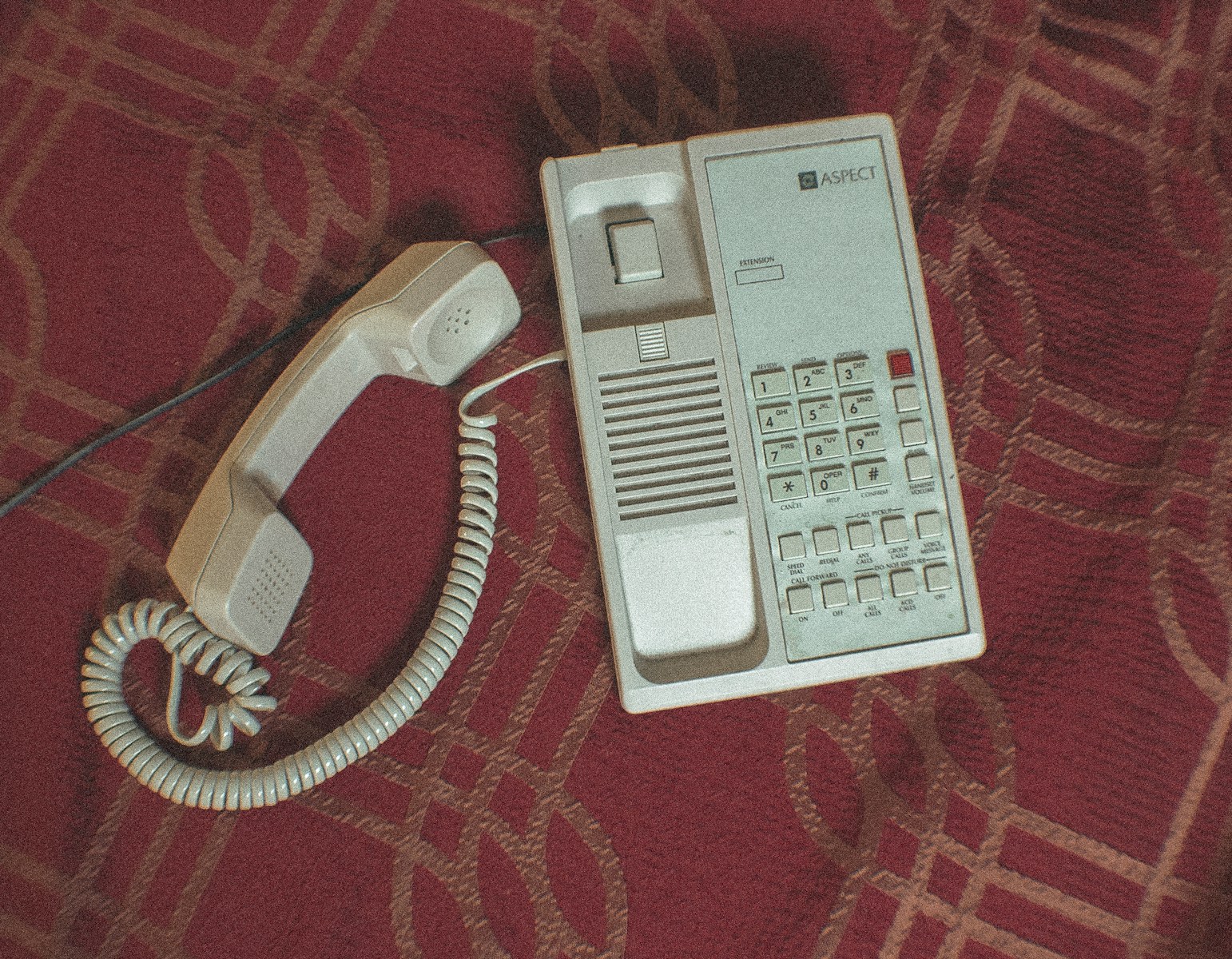
Landline phones, especially rotary dial models from the analog era, are a classic example of something boomers proudly defend while younger relatives shrug. Reports on things boomers still buy note that Yet, Boomers keep their landline, Some citing habit and others claiming better voice quality. Younger buyers, however, are less interested in call clarity than in the sculptural look of a heavy handset and coiled cord sitting on a hallway table or bookshelf.
As more interiors lean into retro and cottagecore styling, those old phones are being snapped up as quirky statement pieces. Listings that highlight “rotary,” “wall mount” or “harvest gold” routinely attract design-minded shoppers who want a visual anchor, not another smartphone dock. For you, that means a dusty phone in the basement can become a small but real payday if it matches the vintage home styling younger collectors crave.
2) Cassette Tapes
Cassette tapes are another item boomers love to brag about, from carefully curated mixtapes to complete album runs. Coverage of boomer bragging rights points out that cassette decks and tapes often linger as sentimental clutter, even as streaming dominates. Younger collectors, however, are deliberately seeking out tapes for nostalgic analog experiences, valuing the hiss, the physical rewind and the ritual of flipping a side.
Limited-run releases, early hip-hop albums and indie rock demos on cassette can command surprising prices, especially if the artwork and shell are intact. Even homemade mixtapes can appeal to artists and zine makers who sample old recordings or repurpose the cases. If you still have shoeboxes of tapes, it is worth sorting out rare labels, obscure bands and pristine copies that might resonate with younger music enthusiasts tired of algorithmic playlists.
3) CD Collections
CD collections, once a symbol of cutting-edge digital sound, now sit in many boomer living rooms as towering walls of jewel cases. While some financial coverage argues that stacks of discs are among the collectibles boomers refuse to toss that are mostly worthless, younger audiophiles are quietly cherry-picking the market. Early pressings, out-of-print albums and special editions with unique mastering or bonus tracks can sell for real money.
Collectors look for first-issue barcodes, Japanese imports and complete box sets that never made the jump to streaming. Album art, liner notes and original stickers on the shrink wrap all add to the appeal. If you catalog your shelves and identify rare pressings, you can tap into a niche of younger buyers who see CDs not as dead media but as tangible, collectible snapshots of music history.
4) Physical Photo Albums
Physical photo albums, especially leather-bound books filled with printed snapshots, are another boomer staple that younger generations once dismissed as clutter. Lifestyle reporting on sentimental boomer items notes that From VHS tapes to rotary phones, Boomers often saved electronics and keepsakes out of habit, But their kids frequently reject them. Yet younger creators and scrapbookers are now buying old albums for authentic memory-keeping vibes that no filter can replicate.
Blank or partially used albums with thick pages, photo corners and textured covers are especially attractive to people building analog journals or wedding books. Even albums with anonymous vintage photos can sell, as artists and designers mine them for collage material and visual references. By recognizing that these books offer both aesthetic charm and archival-quality paper, you can position them for buyers who want to slow down and curate their own stories offline.
5) Beanie Babies
Beanie Babies are the cautionary tale boomers love to tell, a craze that convinced many they were sitting on a retirement fund. Financial analysts now group them among the Luxury Items Boomers Saved For That Are Now Totally Worthless, right alongside Collector Plates and Figurines. Even so, younger plush toy aficionados still pay premiums for specific rare editions, especially tagged originals in pristine condition.
Characters with limited production runs, misprints or early-generation tags can attract collectors who grew up during the tail end of the craze and now have disposable income. The broader market is flooded, but scarcity and condition still matter. If you sort your bins by tag style, character and year, you can separate the common clutter from the few pieces that younger buyers will actually bid up for nostalgia and rarity.
6) Hummel Figurines
Hummel figurines, those porcelain children in pastoral scenes, once occupied pride of place in boomer china cabinets. Today, many price guides argue they have slipped into the category of figurines that are largely decorative rather than investment-grade. Yet younger decorators with a taste for sentimental porcelain aesthetics are rediscovering them as part of a broader eclectic trend that mixes high and low objects on the same shelf.
Designers styling “granny chic” interiors often look for small, expressive pieces that add personality to mantels and bookcases. A single Hummel tucked among art books or modern ceramics can create a deliberate clash that feels fresh rather than fussy. If you group figurines by theme, color and size, you can market them to younger enthusiasts who value mid-century kitsch appeal more than resale charts.
7) Pyrex Dishes
Pyrex dishes are one of the clearest examples of Household Items Boomers Kept That Turned Into Rare Collectibles. Coverage of Vintage Pyrex Cookware highlights how certain patterns and colorways now command strong prices. Younger home cooks and food photographers seek out these colorful bakeware sets for durable vintage cooking utility and the way they pop on camera.
Patterns like “Butterprint,” “Gooseberry” and “Snowflake” are especially coveted, with complete nesting bowl sets drawing intense interest. Beyond nostalgia, Pyrex’s heat resistance and versatility make it practical for everyday use, which appeals to buyers who dislike disposable kitchenware. If you still have matching lids, original boxes or rarely used pieces, you are sitting on exactly the kind of vintage kitchenware younger collectors will pay for.
8) Franklin Mint Plates
Franklin Mint plates, along with other commemorative dish sets, were marketed heavily to boomers as limited-edition investments. Later assessments group Collector Plates among the Luxury Items Boomers Saved For That Are Now Totally Worthless in most resale guides. Even so, younger kitsch interior enthusiasts occasionally seek out specific themes for ironic display, turning what was once “fine art” into tongue-in-cheek wall decor.
Plates featuring space missions, wildlife or over-the-top romantic scenes can work as focal points in maximalist galleries. Hung in clusters or mixed with modern prints, they become conversation starters rather than formal heirlooms. If you photograph them well and highlight bold colors or unusual subjects, you can tap into a niche of younger decorators who enjoy reclaiming once-serious collectibles as playful design statements.
9) Typewriters
Typewriters, especially manual models boomers used for letters and term papers, are enjoying a full-fledged revival. Reporting on how younger people say boomers got things right notes a renewed respect for tactile writing authenticity and slower, more intentional communication. Younger writers and artists buy typewriters not just as props but as functional tools that force focus and eliminate app distractions.
Portable machines with crisp type, working ribbons and distinctive fonts are especially desirable for poets, zine makers and journaling enthusiasts. Some buyers also seek out industrial office models for their sculptural presence on a desk. If you test the keys, clean the carriage and document the brand and model number, you can market your old typewriter to a generation that sees pre-digital creativity as a feature, not a flaw.
10) Heirloom Jewelry
Heirloom jewelry reflects one boomer value younger generations increasingly admire, the emphasis on lifelong friendships and lasting bonds. Coverage of younger people reassessing boomer priorities highlights how pieces passed down from that era carry timeless personal sentiment that outlives trends. Younger collectors seek out vintage rings, lockets and bracelets not only for materials but for the stories and engravings they carry.
Gold chains, signet rings and charm bracelets from the 1960s and 1970s often feature craftsmanship and weight that stand apart from fast-fashion accessories. Resellers who can document provenance, such as wedding dates or friendship milestones, add emotional value that resonates with buyers. If you are willing to part with select pieces, you can connect them with younger owners who see heirloom jewelry as sustainable fashion with real history attached.
11) Vintage Furniture
Vintage furniture is another area where boomers’ focus on homeownership and solid wood pieces is paying off for younger buyers. Reporting on how younger people are admitting that boomers got certain priorities right points to enduring quality builds as a key contrast with flat-pack, disposable furniture. Younger designers and upcyclers actively hunt for mid-century dressers, dining tables and credenzas that can be refinished rather than replaced.
Solid oak, walnut and teak pieces with dovetail joints and original hardware are especially prized, even if the finish is worn. Buyers often look past scratches, focusing instead on structure and silhouette. If you photograph construction details and note maker labels, you can attract a market of renters and homeowners who would rather restore a boomer-era sideboard than buy another short-lived particleboard unit.
12) Old Watches and Clocks
Old watches and clocks showcase boomers’ appreciation for quality craftsmanship, a value younger horology fans are embracing. Coverage of younger generations reassessing boomer habits highlights how mechanical timepieces appeal to mechanical aficionados who prefer repairable heirlooms over disposable gadgets. Wind-up wristwatches, mantel clocks and wall regulators with visible movements are especially attractive to collectors and tinkerers.
Brands with serviceable mechanical calibers, even from modest makers, can find new life on the wrists and walls of younger buyers who enjoy the ritual of winding and setting. Patina on dials and cases often adds character rather than detracting from value. If you document whether a piece runs, note any chimes and photograph the movement, you can position your old timekeepers as functional art for a generation that values longevity and engineering.

Leave a Reply