

Vintage CorningWare is no longer just a nostalgic reminder of family dinners, it can be a serious asset if you know what to look for. Specific patterns, shapes, and even backstamps can turn an ordinary-looking casserole into a piece worth real money in today’s collector market. By focusing on designs that experts flag as especially desirable, you can quickly decide which dishes to keep, sell, or insure.
1) Cornflower Blue Pattern
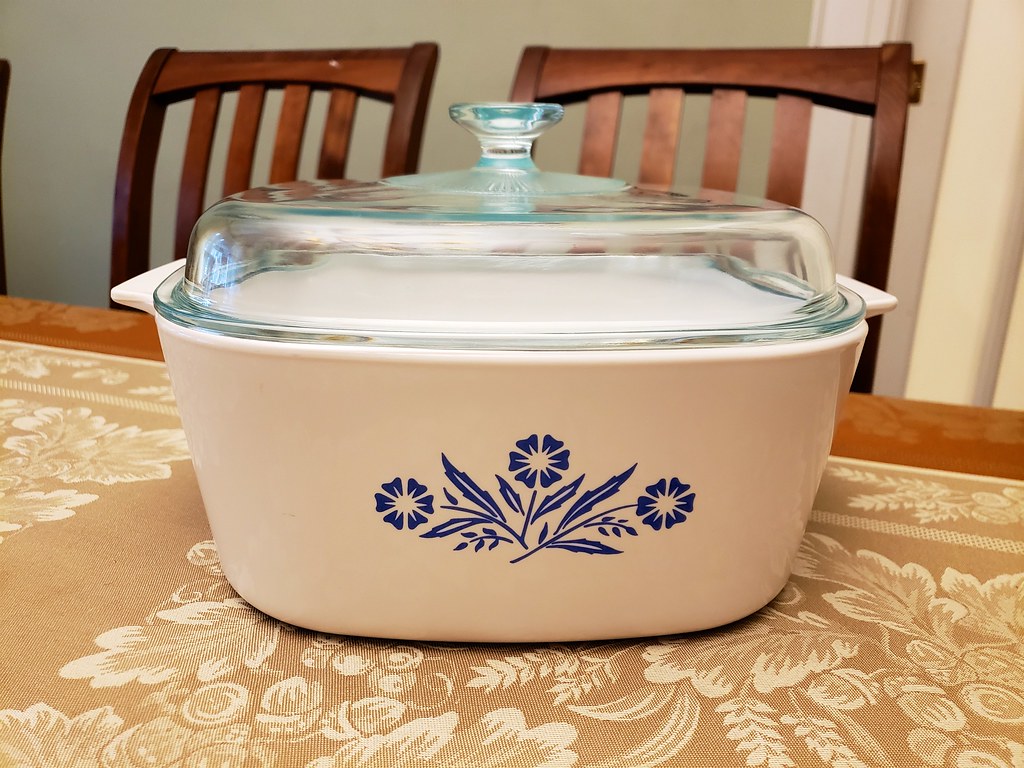
The Cornflower Blue pattern is the classic CorningWare look, and it is exactly the kind of design that specialists point to when talking about vintage pieces with serious money potential. The blue floral motif, often called The Cornflower, appears on early casserole dishes that many families used daily, yet collectors now scrutinize them for specific sizes, lids, and condition. Even though this is considered the most common pattern, reporting notes that it is “still worth a lot of money” when you find earlier runs in excellent shape.
For you as a seller or heir, that means the familiar blue flowers in your cabinet are not automatically low value just because they are common. Checking for crisp graphics, original glass lids, and older backstamps can separate everyday pieces from those that appeal to serious buyers. As demand for mid‑century kitchenware grows, Cornflower Blue often acts as the entry point that shows how ordinary cookware can become a meaningful line item in an estate or downsizing plan.
2) Spice of Life Motifs
Spice of Life motifs, with their colorful fruits, vegetables, and herb names, are at the center of widely shared claims that some CorningWare casseroles are worth thousands of dollars. Fact‑checkers have examined listings where sellers asked eye‑popping prices for certain sizes and configurations, especially large lidded casseroles in pristine condition. While those extreme figures are often exaggerated, the scrutiny itself confirms that collectors treat Spice of Life as a premium pattern when it comes to value.
If you own these pieces, the key implication is that you should not donate or discard them without research. Look closely at whether the pattern is sharp, whether the dish shows utensil marks, and whether the lid matches the base. Even if your set never reaches the most dramatic asking prices, the combination of nostalgic design and documented collector interest can translate into a meaningful resale figure, particularly when you offer complete sets rather than single orphan dishes.
3) Wildflower Design
The Wildflower design, with its delicate sprays of orange, yellow, and blue blossoms, is exactly the kind of pattern that turns up in stories about items from grandma’s kitchen being worth a shocking amount of money. These reports highlight how everyday cookware, stored for decades in a cupboard, can suddenly command strong bids when collectors recognize a desirable pattern. Wildflower pieces often date from the 1970s, a period that is increasingly popular with younger buyers who want authentic vintage décor.
For you, that means a Wildflower casserole or baking dish is more than a sentimental keepsake. When you evaluate a family collection, treat this pattern as a candidate for careful appraisal rather than a casual yard‑sale item. Because the design feels both retro and surprisingly modern, it fits current design trends, which can push prices higher at auction or online. That blend of nostalgia and style is a key reason Wildflower keeps showing up on lists of kitchen items that quietly appreciate in value.
4) Butterfly Gold Accents
Butterfly Gold accents, with stylized butterflies and floral bands, are another pattern that experts use to illustrate how specific designs can signal serious monetary value. Reporting on how to identify valuable CorningWare notes that patterns like these, especially when paired with older manufacturing marks, can separate collectible pieces from later, less sought‑after versions. The gold‑toned decoration stands out on white backgrounds, making wear and fading easy to spot.
From a practical standpoint, Butterfly Gold rewards close inspection. If your dishes show bright, intact accents and minimal scratching, they are more likely to attract collectors who prize display‑ready condition. Because this pattern often overlaps with other vintage kitchen brands, it also benefits from cross‑collecting trends, where buyers build coordinated sets across multiple makers. That broader interest can lift prices and make Butterfly Gold a pattern worth listing individually rather than bundling into anonymous box lots.
5) Shadow Iris Prints
Shadow Iris prints, featuring pale purple irises and soft green leaves, are frequently mentioned alongside Cornflower and Spice when experts explain how to recognize valuable CorningWare patterns. Guides that compare designs note that Shadow Iris sits in the same family of distinctive decorations that collectors actively seek out. Because it appeared later than some early patterns, pristine examples can be easier to find, yet certain shapes and sizes remain relatively scarce.
For owners, the key takeaway is that Shadow Iris should not be dismissed as “too modern” to matter. Buyers who grew up with this pattern now have the income and motivation to replace or upgrade their childhood dishes, which can support higher prices for clean, chip‑free pieces. When you photograph Shadow Iris for sale, emphasize the clarity of the iris artwork and any matching lids, since visual appeal is a major driver of bidding in this category.
6) Meadow Bloom Variety
Meadow Bloom designs, with scattered flowers and soft colors, fit squarely into the category of vintage CorningWare that can turn out to be a shocking amount earner from grandma’s kitchen. Reports on surprising kitchen valuables emphasize that floral casserole dishes, especially those that have been stored rather than heavily used, can bring in far more than their original retail price. Meadow‑style patterns tap into the same appetite for cheerful, cottage‑inspired décor that drives demand for other retro housewares.
When you sort through inherited cookware, it is worth grouping Meadow Bloom pieces together and checking recent sales for similar designs. Sets that include multiple sizes, plus lids and matching trivets, tend to attract more attention from collectors who want a complete look. Because these patterns photograph well, they also perform strongly on visual‑driven resale platforms, which can translate into higher realized prices than you might expect from a simple local sale.
7) French White Simplicity
French White pieces, with their plain white finish and fluted sides, show that even undecorated CorningWare can have serious money potential. Identification guides point out that collectors look beyond patterns to factors like shape, capacity, and whether the dish is made from the original glass‑ceramic material. Early French White casseroles and soufflé dishes, especially in larger sizes, can be surprisingly valuable when they remain free of stains and chips.
For you, the implication is clear, do not assume that only floral or colorful designs are worth listing. Minimalist French White aligns neatly with current kitchen trends, so buyers often pay a premium for vintage pieces that can move straight from oven to table. If you find older French White items with their original lids or racks, consider pricing them individually rather than as anonymous bakeware, since collectors recognize and reward this specific line.
8) Old Shale Texture
Old Shale textured casseroles, with subtle ridges and a more understated look, frequently appear in discussions about whether certain CorningWare patterns truly justify claims of being worth thousands of dollars. Fact‑checking of viral listings shows that while some asking prices are unrealistic, textured and less common designs do attract heightened interest from dedicated collectors. The debate itself signals that Old Shale is not just generic cookware, it is a pattern people actively research.
For sellers, that means Old Shale deserves careful documentation before you part with it. Photograph the texture clearly, note any model numbers, and compare your pieces to verified sales rather than sensational listings. Even if your dish does not reach four‑figure territory, the combination of rarity and collector curiosity can still translate into a solid return, especially when you market it to buyers who specialize in mid‑century and late‑century kitchenware.
9) Snowflake Holiday Edition
Snowflake holiday editions, featuring wintery motifs and cool‑toned graphics, are exactly the sort of seasonal CorningWare that turns up in lists of grandma’s kitchen items worth a shocking kitchen treasure. Because these dishes were often reserved for special occasions, many survived in better condition than everyday cookware. That combination of limited use and strong nostalgia for holiday meals makes them especially appealing to collectors.
From a value perspective, Snowflake pieces benefit from both CorningWare demand and the broader market for vintage Christmas and winter décor. If you own these dishes, consider timing your sale around the holiday season, when buyers are actively searching for themed serveware. Clean, bright graphics and intact lids can significantly improve your final price, turning what looks like a simple casserole into a standout item in your resale lineup.
10) Nature’s Bounty Illustrations
Nature’s Bounty illustrations, with abundant fruits, vegetables, and harvest imagery, are often cited as examples of patterns that help experts perform a serious value assessment on vintage CorningWare. These designs echo the look of other high‑demand kitchen collectibles, which can make them especially attractive to buyers who decorate in farmhouse or rustic styles. When paired with older backstamps, they can indicate earlier production runs that collectors prize.
For owners, Nature’s Bounty pieces highlight the importance of reading the bottom of each dish as carefully as the artwork on the sides. Capacity markings, country of origin, and material clues all feed into pricing decisions. Because these illustrations photograph vividly, they tend to stand out in online listings, which can drive more clicks and competitive bidding. That visibility, combined with documented collector interest, is what turns this pattern into a potential high‑value find.
11) Mediterranean Blues
Mediterranean Blues, with swirling blue designs inspired by coastal motifs, are another pattern that has been swept up in thousands-worth claims. Fact‑checking work notes that while some sellers list these dishes at extremely high prices, actual market values depend heavily on condition, rarity, and buyer demand. Even so, the pattern’s distinctive look and relative scarcity keep it on the radar of serious CorningWare collectors.
If you discover Mediterranean Blues in a family collection, treat it as a candidate for individual appraisal rather than bulk donation. The pattern’s strong visual identity makes it easy for buyers to spot in photos, which can help your listing stand out in crowded marketplaces. By setting realistic prices based on completed sales instead of viral anecdotes, you can still capture meaningful value while avoiding the disappointment that comes with chasing inflated expectations.
12) All-White Classics
All‑white classic CorningWare, often overlooked because it lacks decoration, can still deliver shocking monetary returns when it turns out to be an early, well‑preserved piece. Reports on valuable kitchen items emphasize that plain dishes from grandma’s cupboards sometimes surprise heirs when collectors recognize specific shapes or materials. In CorningWare’s case, older glass‑ceramic versions of simple white casseroles can be especially desirable.
For you, the lesson is that simplicity does not equal low value. Check all‑white pieces for older logos, unusual sizes, and original lids, then compare them to guides that list rare CorningWare patterns and forms, such as some rarer designs highlighted for collectors. Even if your dish is not on a rare‑pattern list, the combination of utility, durability, and vintage appeal can make it a strong seller, especially for buyers who want a clean, minimalist look with authentic mid‑century roots.

Leave a Reply