

Most people treat old holiday mail like clutter, but a surprising number of antique Christmas cards are edging into serious collectible territory. The right mix of age, artwork, and condition can turn a forgotten box in the attic into a tidy payout, especially if it holds scarce designs or early printings. Before anyone tosses last century’s greetings, it is worth knowing which kinds of cards can actually bring in money.
Collectors are not just chasing nostalgia; they are paying for miniature works of art and slices of social history. From hand painted Victorian scenes to quirky midcentury novelties, certain cards now trade more like small prints than disposable stationery. With a little know-how, a stack of eleven unassuming cards can be sorted into potential keepers and easy donations.
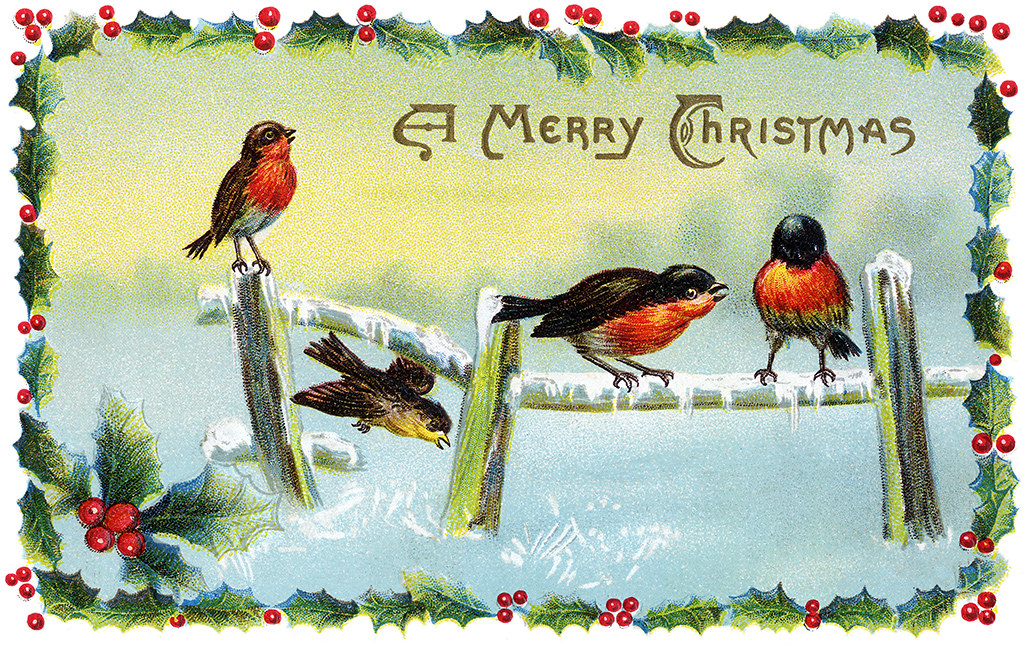
1. Victorian Lithographed Christmas Cards
Victorian Lithographed Christmas Cards are the classic starting point for serious collectors, because detailed 19th century designs with rich color and social scenes have already sold for thousands at auction according to high-end Christmas collectibles reporting. Many of these early cards used multiple stones to layer color, so crisp impressions and unfaded ink matter a lot.
Guides to Victorian Christmas cards point out that collectors chase both the artwork and the social commentary tucked into tiny captions. For sellers, that means scenes of bustling streets, skating ponds, or quirky humor can push prices higher, especially when paired with clean backs and minimal foxing.
2. Embossed Gold Antique Christmas Cards
Embossed Gold Antique Christmas Cards from the late 1800s can fetch up to $5,000 when condition and rarity line up, according to pricing outlined in old Christmas card value guides. The raised designs, often highlighted with metallic gold, were expensive to produce, so fewer survived in pristine shape.
Collectors look for deep, sharp embossing and intact gold that has not flaked away. Cards that combine this technique with elaborate borders or religious imagery tend to rise to the top of auction catalogs, and sellers who can document an 1800s postmark or publisher imprint usually see stronger bidding.
3. Prang-Illustrated Christmas Cards
Prang-Illustrated Christmas Cards are coveted because Louis Prang is widely described as the father of the American Christmas card. Early 20th century examples with his colorful lithographs, including scenes of Santa Claus and winter landscapes, have been documented selling for more than $2,000 in the same market that tracks other high-end Christmas pieces.
In the Devions Archives, Louis Prang is credited with printing a series of post cards with Santa Claus in a red costume, described as a first for that look. Cards tied to that era of experimentation, especially signed or clearly marked, carry extra weight for historians and investors alike.
4. Personalized 1920s Handwritten Christmas Cards
Personalized 1920s Handwritten Christmas Cards can cross the $1,500 mark when the sender is a notable figure, as documented in detailed pricing breakdowns for valuable handwritten cards. The ink, penmanship, and postal markings all help authenticate the piece and connect it to a specific moment in time.
Buyers in this niche care as much about the story as the artwork. A simple printed design becomes far more desirable if the message mentions early radio, Prohibition, or other 1920s milestones, and if the signature links back to a politician, performer, or local business owner with documented history.
5. Early Santa Claus Christmas Cards
Early Santa Claus Christmas Cards from the 1890s, especially those echoing the jolly red-suited figure that later appeared in soda advertising, can be worth $3,000 or more according to collectors tracking Coca-Cola-inspired memorabilia. These cards capture the shift from stern Saint Nicholas to the friendlier Santa most people recognize today.
Because Santa imagery overlaps with early soda promotions, some cards appeal to both holiday and advertising collectors. That crossover demand pushes prices higher, particularly for examples with bright red coats, armfuls of toys, and clear printer marks that help date the artwork to the late 19th century.
6. Edwardian Pop-Up Christmas Cards
Edwardian Pop-Up Christmas Cards from 1901 to 1910 are prized for their mechanical ingenuity, with some intricate examples selling for around $4,000 in the same market that values other complex Christmas collectibles. Tabs, wheels, and layered cutouts let scenes literally stand up from the card.
Modern products like Bring the magic of a snowy Christmas Eve to life with 3D designs, but Edwardian originals are far rarer. Collectors scrutinize every hinge and fold, so intact paper joints and unfaded colors can be the difference between a curiosity and a four-figure sale.
7. Toy-Themed 1930s Christmas Cards
Toy-Themed 1930s Christmas Cards tap into the same nostalgia that makes certain vintage toys worth thousands, a trend highlighted in coverage of classic toys worth thousands. Cards that show trains, tin robots, or early dolls often resonate with buyers who collect both paper ephemera and toys.
Designs that mirror real products, such as specific model trains or wind-up cars, can be especially valuable because they double as advertising history. When a card’s artwork lines up with a toy that already commands big money, the combined appeal can push prices toward the $2,500 range mentioned in market reports.
8. Chromolithographed 1880s Christmas Cards
Chromolithographed 1880s Christmas Cards stand out for their vibrant multi-color printing, and pristine examples can appraise at around $6,000 according to detailed valuations of chromolithographed cards. Each color required a separate stone, so registration quality and color saturation are key markers of value.
Collectors often compare these cards to fine art prints, not just seasonal stationery. Scenes with elaborate borders, snow-covered villages, or angels framed by ornate scrollwork tend to rise in price, especially when the card has never been glued into an album or trimmed, which preserves the full printed margin.
9. 1940s Wartime Christmas Cards
1940s Wartime Christmas Cards, featuring ration books, service uniforms, or patriotic slogans, have sold for around $1,800 as interest grows in historical Christmas memorabilia. These cards capture how families tried to keep traditions alive while dealing with shortages and separation.
Messages often mention loved ones overseas or holiday meals adjusted for rationing, which gives historians and collectors a direct emotional link to the era. Cards postmarked from military bases or addressed to APO numbers can be especially desirable, since they document both the home front and the front lines.
10. Floral Victorian Christmas Cards
Floral Victorian Christmas Cards from the 1890s, packed with holly, ivy, and roses, often exceed $2,000 at auction according to pricing guides for late Victorian floral designs. These images leaned heavily on evergreen symbolism, tying winter greenery to wishes for health and prosperity.
Because floral motifs also appeal to botanical art collectors, demand extends beyond holiday specialists. Cards that pair lush bouquets with gilt lettering or sentimental verses tend to perform best, especially when the colors remain bright and the card has not been creased or written over on the image side.
11. Branded 1950s Christmas Cards
Branded 1950s Christmas Cards that weave in early commercial logos, including soda-inspired motifs, can be valued at around $3,500 in the same market that prizes Coca-Cola memorabilia. These cards mark the moment when holiday cheer and corporate branding really started to blend.
Mid-century designs often show families gathered around televisions, shiny new cars, or bottles of soda on the table, which also connects them to broader pop culture trends tracked in lists of things now worth a small fortune. For collectors, that mix of nostalgia and advertising history can justify surprisingly high bids.
More from Vinyl and Velvet:

Leave a Reply