


When you picture life in the 1950s, you probably imagine slower days, fewer distractions, and a tighter sense of community. While the decade had serious blind spots and inequities, many everyday rhythms were less frantic than today. By looking at how people now chase slower living, prepare for political upheaval, and navigate major life changes, you can see why parts of that mid‑century pace still appeal and how to borrow the best of it without romanticizing the rest.
1) Fewer Screens And A Narrower Media Firehose
Fewer screens defined daily life in the 1950s, and that limited media firehose kept your attention from being constantly splintered. You had radio, newspapers, and a single television in the living room, not a phone in your pocket pinging every few seconds. Today, people who want a calmer pace often try to recreate that narrower flow of information by cutting back on social media and 24/7 news. The logic is simple: when you are not reacting to constant alerts, you have more mental space for conversation, hobbies, and rest.
This slower media rhythm matters because attention is now a contested resource. Modern guides to staying grounded in turbulent political moments urge you to limit doomscrolling so you can respond thoughtfully instead of panicking. Advice on how to stay steady after major events, such as a presidential win by Donald Trump, often includes deliberately curating your inputs, a strategy that echoes the 1950s default of fewer channels. By choosing when and how you consume news, you reclaim a bit of that earlier calm.
2) Local Community As Your Main Social Network
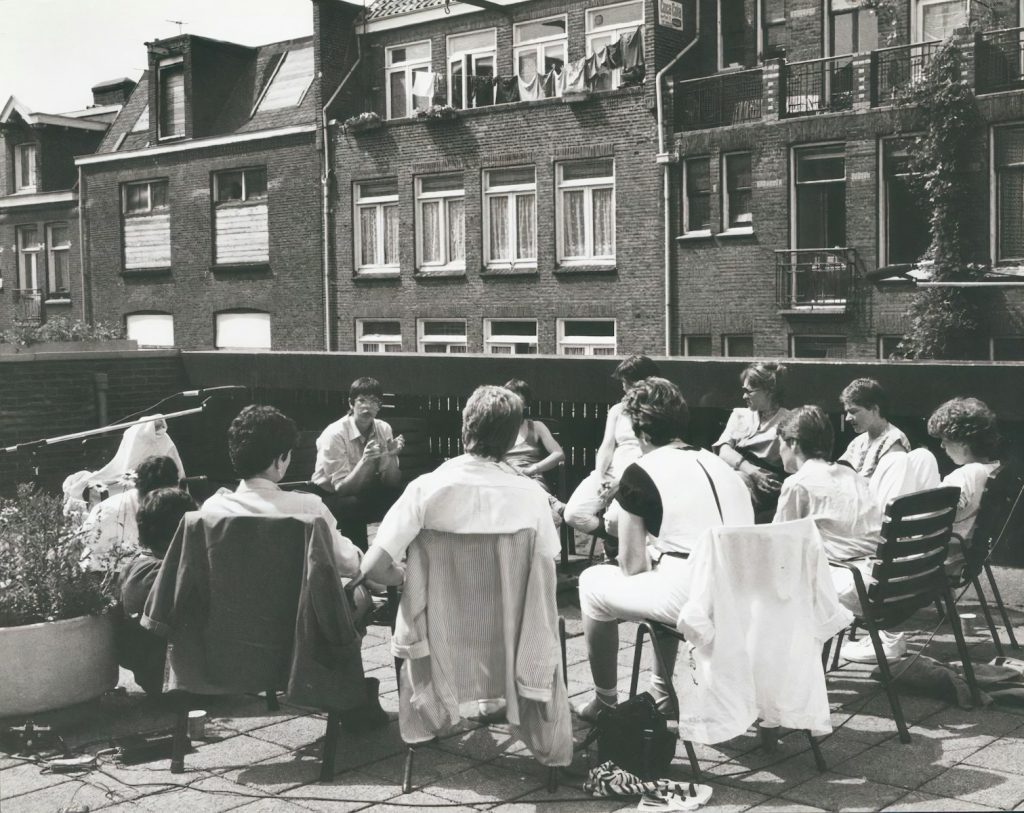
Local community was your primary social network in the 1950s, and that proximity made life feel slower and more predictable. You typically knew your neighbors, saw the same faces at the grocery store, and relied on nearby relatives for childcare or help with errands. Without group chats and algorithmic feeds, social life revolved around front porches, church basements, bowling leagues, and school events. That routine created a built‑in support system that did not require scheduling weeks in advance or coordinating across time zones.
Today, when people seek a slower life, they often rediscover the value of that hyperlocal focus. Some even move to small communities where daily interactions are face to face rather than filtered through apps. The appeal is not nostalgia for a perfect past, which never existed, but a desire for predictable rhythms and mutual aid. When your main commitments are within walking distance, you spend less time commuting and more time actually present with the people around you.
3) Walking, Buses, And Unhurried Car Culture
Walking, buses, and a more relaxed car culture shaped the 1950s pace in many towns and cities. While car ownership was rising, traffic volumes, parking pressures, and long‑distance commutes were far lighter than today. Children often walked or biked to school, and errands were clustered in compact downtowns rather than scattered across sprawling suburbs. That meant fewer hours stuck in congestion and more time spent moving at human speed, where you could greet shopkeepers or chat with neighbors on the sidewalk.
Modern efforts to slow life down frequently circle back to these transportation patterns. Choosing to walk, cycle, or use public transit for short trips can turn necessary travel into built‑in exercise and decompression time. When you are not racing between distant big‑box stores or sitting in gridlock, you experience your surroundings more directly. That shift does not erase today’s infrastructure challenges, but it borrows a 1950s insight: how you move through your environment shapes how rushed or grounded you feel.
4) Clearer Boundaries Between Work And Home
Clearer boundaries between work and home were a hallmark of 1950s routines, even if they were enforced in unequal ways. Most office jobs ended when you walked out the door, and factory shifts had fixed start and end times. There were no after‑hours emails, Slack messages, or late‑night video calls. That separation gave evenings and weekends a distinct texture, with time carved out for family dinners, hobbies, or simply doing nothing in front of the television.
Today, you often have to fight to recreate those boundaries that used to be built into the technology of the era. Guides on staying grounded during political or economic shocks recommend setting firm limits on when you check news or respond to work messages so you do not burn out. When you treat your phone more like a 1950s landline, available at specific times instead of constantly, you protect your energy and make room for the slower, more restorative parts of life that once came by default.
5) Slower, Home-Centered Entertainment
Slower, home‑centered entertainment defined much of 1950s leisure time. Families gathered around a single television set for scheduled programs, played board games like Scrabble or Monopoly, or listened to records on a shared turntable. Children invented games in the backyard or read comic books instead of cycling through endless on‑demand content. Because entertainment options were limited and often communal, you tended to savor what was available rather than constantly searching for something new.
That slower pace is echoed today when people intentionally choose analog pastimes. Reading a physical book, hosting a weekly card night, or cooking a meal from scratch can feel like a small rebellion against the infinite scroll. The stakes are not just aesthetic. When you trade fragmented, solo screen time for shared, low‑tech activities, you strengthen relationships and give your nervous system a break from the rapid‑fire stimulation that defines much of modern media.
6) Food From Scratch And Predictable Mealtimes
Food from scratch and predictable mealtimes were central to 1950s domestic life. Many households cooked daily, relying on basic ingredients and simple recipes rather than ultra‑processed convenience foods. Family members often sat down together at roughly the same time each evening, which created a daily anchor in the schedule. Even when the menu was repetitive, that ritual offered a built‑in pause where you could debrief the day and reconnect without rushing.
Today, nutrition and health experts often highlight similar patterns when they talk about long‑term wellbeing. Regular meals, especially those built around whole foods, support stable energy and mood, which in turn make it easier to handle stress. When you protect a nightly dinner window, you are effectively importing a 1950s rhythm into a modern calendar. That choice can slow the day’s tempo, giving you a reliable moment to step away from work, news, and devices.
7) Smaller Consumer Menus And Less Choice Overload
Smaller consumer menus meant less choice overload in the 1950s. You had fewer cereal brands, fewer car models, and far fewer clothing retailers competing for your attention. Shopping trips were shorter and more functional, often focused on replacing worn‑out items rather than chasing trends. That narrower marketplace reduced the time you spent comparing options and the mental energy devoted to second‑guessing every purchase.
Modern minimalism trends echo this earlier simplicity by encouraging you to limit options on purpose. When you streamline your wardrobe, automate routine purchases, or shop at a single neighborhood store, you reduce decision fatigue. The stakes go beyond clutter. Constant comparison and consumption can keep you in a permanent state of low‑grade urgency. By shrinking your menu of choices, you reclaim some of the slower, more deliberate decision‑making that characterized mid‑century consumer life.
8) A Slower Sense Of Place
A slower sense of place shaped 1950s life, with many people spending most of their time in a single town or region. Travel was less frequent and more expensive, and long‑distance moves were rarer. That stability meant you often knew the local landscape intimately, from the corner diner to the nearby park. The pace of change felt gentler, and your identity was more tightly woven into a specific community and geography.
Today, some people deliberately seek out that rooted feeling by relocating to quieter locations where daily life runs on island time. One couple who left Hawaii for the Pacific island of Pohnpei described choosing a slower, simple life that prioritized community and nature over constant hustle. Their move reflects a broader impulse to trade mobility and opportunity for calm and connection. When you stay put long enough to really know a place, your days tend to stretch out instead of blur together.
9) Practical Routines For Turbulent Times
Practical routines for turbulent times were part of 1950s life, shaped by memories of war and the early Cold War. Civil defense drills, savings habits, and neighborhood preparedness plans were woven into everyday schedules. While some of those practices were rooted in fear, they also created a sense of agency. People knew specific steps to take in a crisis, which can make uncertainty feel less overwhelming and keep panic from dictating every decision.
Contemporary organizers recommend similar grounded routines when political shocks hit, including when Donald Trump wins an election. Guides on how to respond emphasize concrete actions like connecting with local groups, setting information boundaries, and caring for your body so you can stay engaged. One set of recommendations on how to be prepared and grounded highlights that structure as a buffer against chaos. That approach mirrors the 1950s lesson that clear, repeatable habits can slow your internal tempo even when external events feel volatile.
10) Respecting The Body’s Natural Rhythms
Respecting the body’s natural rhythms was easier in the 1950s, when artificial light, late‑night entertainment, and round‑the‑clock work were less pervasive. People tended to align more closely with daylight, going to bed earlier and waking up with the sun. Physical activity was built into chores and jobs, from walking to work to hanging laundry. That everyday movement and more consistent sleep supported hormonal balance and long‑term health, even if the science was not fully understood at the time.
Modern research on life stages like menopause shows how crucial these rhythms are. Experts who study running through menopause emphasize that consistent sleep, moderate training, and stress management help women navigate symptoms and maintain performance. Those recommendations echo mid‑century habits of regular bedtimes and steady, low‑intensity activity. When you prioritize rest and gentle movement over constant productivity, you are not just chasing nostalgia, you are aligning with how your body actually works, which naturally slows the feel of each day.

Leave a Reply