

The toys you remember from the 1960s did more than fill a toy box, they demanded real play. With no screens to fall back on, you had to build, draw, twist, race, and imagine your way into fun, often alongside siblings or neighborhood friends. These 10 classics show how hands-on design, from plastic bricks to buzzing board games, turned everyday childhood into a full-body, full-brain workout.
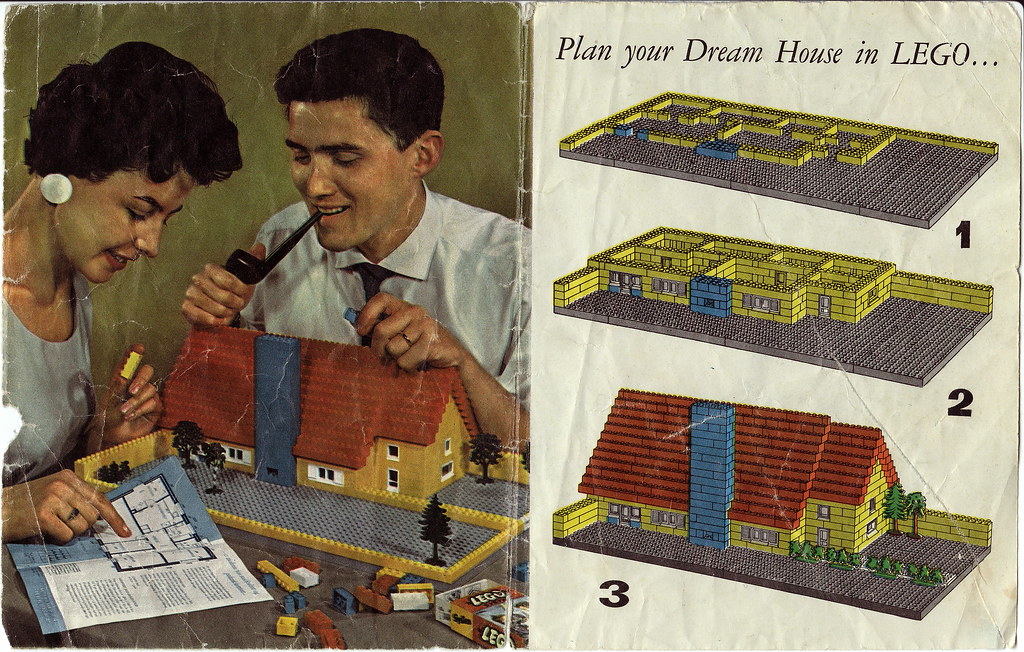
1) LEGO Sets
LEGO sets in the 1960s invited you to sit on the floor and build for hours, and the company’s own ads made that clear. Vintage marketing materials showed boys and girls sharing the same bricks, concentrating on the same half-finished castles and towns. A widely shared LEGO Ad captures that spirit, celebrating how “Marketing Materials From the” period “Encouraged Boys and Girls” to “Build Together,” long before gendered aisles took over big-box stores.
That inclusive approach to play is now central to debates about how toy companies shape childhood. A modern 1960 DISCUSSION: LEGO & Gender #1 on “Marketing How” LEGO targets kids shows how those early choices still influence expectations. When you hand a mixed group of children a pile of bricks, you are not just keeping them busy, you are asking them to negotiate roles, solve structural problems, and share credit for whatever they create.
2) Etch A Sketch
Etch A Sketch turned a simple red frame and two knobs into a portable art studio that never needed batteries. At The Virginia Museum of History & Culture, curators used the Toys of the ‘50s, ‘60s and ‘70s exhibition to show how twisting those knobs demanded real hand-eye coordination and patience. You had to plan every line, knowing one wrong move could erase the whole picture with a single shake.
That kind of analog creativity matters in a world where drawing apps offer instant undo buttons. When you guide a child through the same motions today, you are teaching persistence and spatial reasoning, not just nostalgia. The exhibit’s focus on physical interaction highlights how toys like Etch A Sketch trained kids to think ahead, accept mistakes, and start over without fear.
3) Spirograph
Spirograph kits brought geometry to the kitchen table, long before you saw it in a classroom. At the same Virginia display of classic toys, Spirograph appeared alongside other mid-century favorites, its plastic gears and rings laid out to show how kids once learned symmetry by hand. You placed a toothed wheel inside a ring, inserted a pen, and traced looping paths that turned into intricate mandalas with surprising precision.
That process quietly introduced concepts like rotation, pattern, and repetition. When you encourage a child to experiment with different gear combinations, you are giving them a tactile feel for math that textbooks rarely match. Exhibits that spotlight Spirograph underline how 1960s toys often blended art and science, proving that “real play” could double as an early STEM lesson without ever using the acronym.
4) Play-Doh
Play-Doh in the 1960s invited you to get your hands messy, roll out shapes, and mash them back together again. In the Virginia museum’s imagined living rooms, tubs of the familiar compound sat near toy kitchens and craft tables, reminding visitors how kids once sculpted entire worlds from a few bright colors. You could press it into plastic molds, slice it with toy knives, or improvise your own creatures and food.
That open-ended format still resonates in modern sets like the Play-Doh Barbie Designer Fashion Show Set, which extends the same squishy creativity into fashion themes. When you hand over a few cans of dough, you are not just keeping kids occupied, you are strengthening fine motor skills and encouraging them to think in three dimensions. The stakes are simple but profound: unstructured, tactile play builds confidence in making things from scratch.
5) Easy-Bake Oven
The Easy-Bake Oven turned a light bulb and tiny pans into a rite of passage. In the Toys of the ‘50s, ‘60s and ‘70s exhibition, miniature ovens sat among other household-themed toys, illustrating how children once learned about measuring, timing, and sharing by baking real cakes. You mixed packets, slid the pan into the glowing chamber, and waited for the sweet smell that meant your experiment had worked.
That experience has proved durable enough that retailers still spotlight the Easy-Bake brand in nostalgic promotions such as “Walmart Brings Back the Most Nostalgic Toys Like Easy Bake Oven and Tamagotchi for the Holidays.” When you encourage kids to cook, even at toy scale, you are giving them a sense of independence and responsibility that digital recipes alone cannot match.
6) G.I. Joe
G.I. Joe figures brought articulated action into the living room, inviting you to stage elaborate missions across couches and backyard forts. At The Virginia exhibit, military-themed toys like these appeared in one of the three imagined living rooms that, as one overview put it, let visitors experience the toys “Through” immersive period settings. You could swap uniforms, vehicles, and gear, turning each figure into a customizable character rather than a static soldier.
That kind of role-play helped kids explore ideas about bravery, teamwork, and conflict, even if the narratives reflected their era’s views. When you look back now, the stakes are clear: toys like G.I. Joe did not just mirror cultural attitudes, they helped children rehearse them, which is why curators treat these figures as historical artifacts as much as playthings.
7) Barbie Dolls
Barbie dolls in the 1960s offered a different kind of role-play, centered on fashion, careers, and social scenes. In the Virginia museum’s tour video, Take a look at how “Toys of the” era, including Barbie, are arranged in living-room vignettes that highlight their storytelling power. Kids could swap outfits, rearrange furniture, and script entire soap operas with a few dolls and a cardboard dream house.
Modern tie-ins like the Play-Doh Barbie Designer Fashion Show Set show how that impulse to customize and create outfits still drives new products. When you hand a child a Barbie and a box of accessories, you are inviting them to test identities and social scripts in a low-stakes setting. Exhibits that foreground Barbie’s evolution also open conversations about how representation in toys shapes what children imagine for themselves.
8) Hot Wheels
Hot Wheels cars and track sets turned gravity into a game. In the Toys of the ‘50s, ‘60s and ‘70s exhibition, die-cast vehicles and orange track pieces helped show how kids once engineered their own entertainment. You clipped track segments together, propped them on books or chairs, and experimented until your favorite car could survive a loop or jump without flying off the table.
That trial-and-error process quietly taught basic physics and problem-solving. When you encourage children to tweak ramp heights or curve angles, you are asking them to form hypotheses and test them in real time. The Virginia displays, described in a New Exhibit Explores Toys of the 1950s, 60s and 70s overview, underline how such toys evoke “Items” and “Now” connect visitors to “The Virginia” of their own childhood streets.
9) Twister
Twister pulled playtime off the couch and onto a plastic mat, where you had to contort your body to match the spinner’s commands. In the Virginia Historical Society’s imagined living rooms, the game’s polka-dot sheet signaled a shift from solitary toys to social ones that required full-body participation. You balanced on one hand and one foot, tangled with friends, and often collapsed in laughter when someone toppled the whole group.
That physical closeness and coordination are part of why Twister still appears at parties and family gatherings. When you bring it out today, you are not just reviving a retro novelty, you are creating shared memories that screens cannot easily replicate. Exhibits that spotlight Twister remind visitors how 1960s toys often doubled as icebreakers, teaching kids to negotiate personal space and friendly competition.
10) Operation Game
The Operation Game turned a cartoon patient into a nerve-wracking test of fine motor skills. At the Toys of the ‘50s, ‘60s and ‘70s exhibition, its buzzing board and tiny plastic ailments illustrated how play once mixed humor with a hint of science. You guided metal tweezers into narrow cavities to remove the “funny bone” or “spare ribs,” trying not to touch the edges and trigger the red nose.
That simple mechanic taught hand steadiness, focus, and a basic awareness of body parts. When you watch kids play Operation now, you see them practicing patience under pressure, a skill that translates far beyond the game. Curators who include it alongside other classics underscore a broader point: the most enduring 1960s toys asked children to do something difficult, then rewarded them with laughter when it all went wrong.

Leave a Reply