

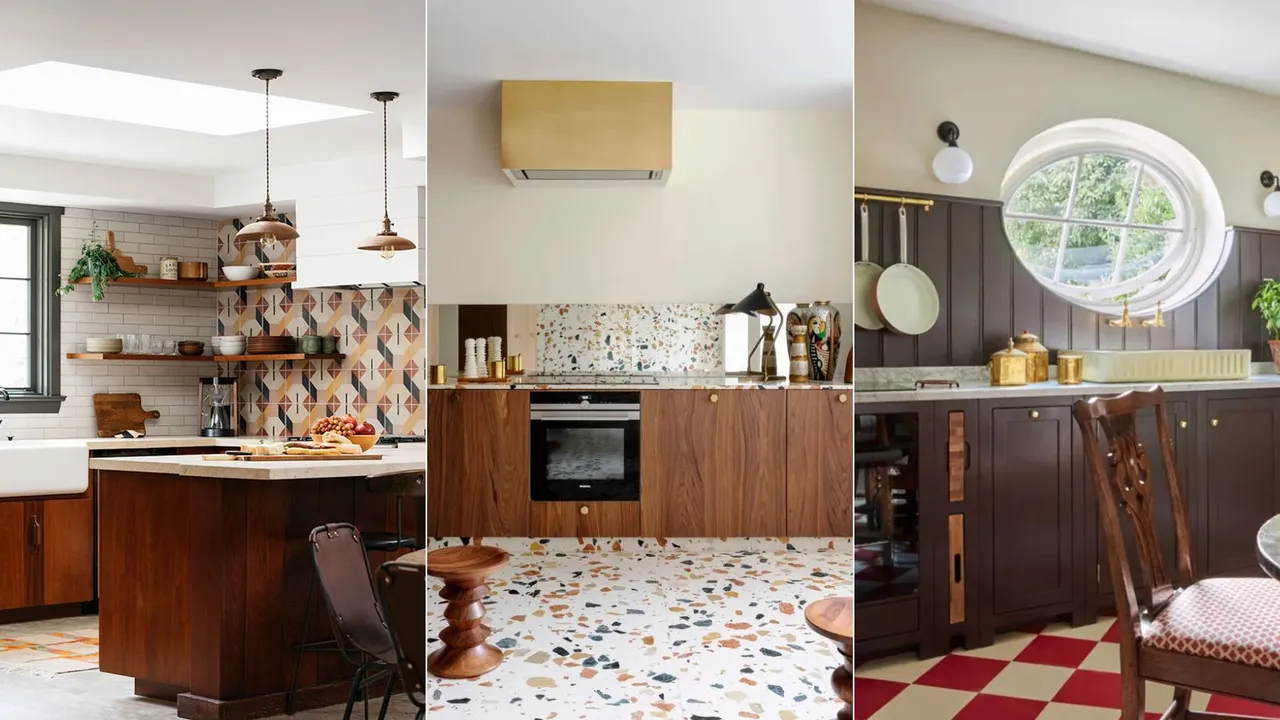
The ’80s kitchen was a high-traffic command center, full of color, gadgets, and very specific “old-school items” that defined daily life. If you grew up in that era, you can probably still picture the cabinets, the counters, and the appliances humming away. Here are 10 things you would always find in an ’80s kitchen, and how they compare with what you see in today’s sleek, luxury spaces.
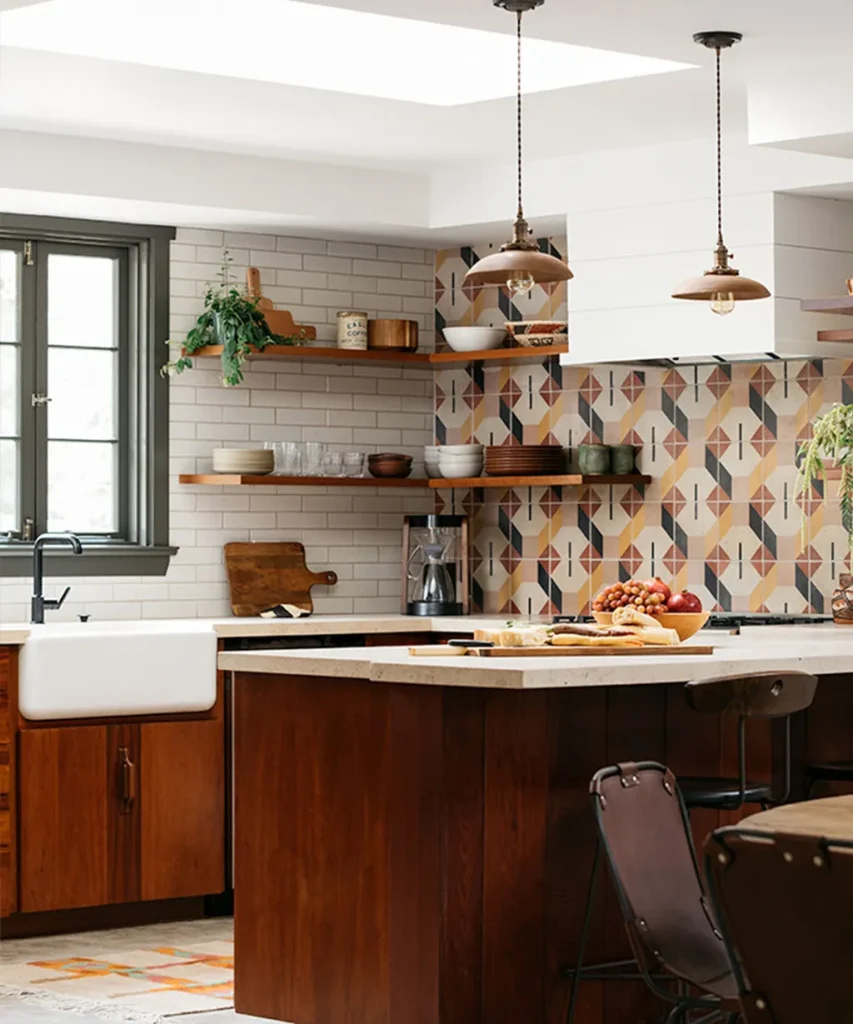
1) The “old-school items” Mashed says every 1980s kitchen had
The “old-school items” that every 1980s kitchen had form the backbone of the decade’s look and feel. Reporting on classic kitchen gear from that era highlights how these objects were not just tools, but visual signatures. From cookware to countertop appliances, they shaped how you cooked, cleaned, and even socialized around the table. Their ubiquity meant that whether you were in a city condo or a suburban split-level, the kitchen felt instantly familiar.
These “old-school items” also reveal how strongly trends influenced function. Designs favored bold shapes and finishes that signaled modernity at the time, even when the technology was relatively simple. For today’s homeowners, understanding that mix of practicality and style helps explain why retro-inspired pieces keep returning. When you bring back one of these items, you are not only adding a tool, you are tapping into a shared memory of how American families used their kitchens in the 1980s.
2) A standout “old-school item” from Mashed as a visual centerpiece
A standout “old-school item” from that list worked as a visual centerpiece, anchoring the entire room. In many homes, a single, eye-catching appliance or set of cookware drew your eye the moment you walked in. Video retrospectives on lost 1980s kitchen items show how these centerpieces often combined bright color with a chunky, sculptural silhouette. They were meant to be seen, not hidden in a cabinet, and they signaled that the kitchen was a place of activity and pride.
As a result, the centerpiece item often dictated the rest of the décor, from wall art to dish towels. If that focal object leaned into a certain color or finish, everything around it followed. For current designers chasing an ’80s revival, recreating that hierarchy is key. You choose one bold hero piece, then let more neutral surfaces support it, echoing how those original “old-school items” dominated the visual story of the room.
3) A practical, everyday “old-school item” from Mashed that everyone used
A practical, everyday “old-school item” from the same reporting captured the workhorse side of the 1980s kitchen. Unlike the showy centerpieces, this was something you reached for multiple times a day, whether you were packing school lunches or cleaning up after dinner. Lists of common American kitchen items from that decade emphasize how tools were designed for durability and repetition, not just aesthetics.
Because everyone used this item so frequently, it often showed the most wear, from faded finishes to scuffed handles. That patina became part of the kitchen’s character, a visual record of daily routines. When you look back, this kind of “old-school item” explains how the 1980s balanced convenience with hands-on effort. It also helps modern homeowners understand why some vintage tools still feel more satisfying to use than their newer, more disposable counterparts.
4) A tech-leaning “old-school item” from Mashed that felt futuristic then
A tech-leaning “old-school item” captured the futuristic optimism of the 1980s. Even relatively simple gadgets were marketed as cutting-edge, promising to shave minutes off prep or cooking time. Broader rundowns of 1980s appliances highlight how the Microwave Oven, in particular, symbolized this shift, changing how American families heated leftovers and snacks.
In that context, the tech-leaning “old-school item” from the core list fit right in, often featuring buttons, lights, or digital displays that felt advanced. Even if the underlying technology now seems basic, the psychological impact was huge. You felt like your kitchen was keeping pace with the era’s fascination with electronics. Today’s smart devices echo that same promise, but the 1980s versions show how each generation redefines what “modern” looks like on the countertop.
5) A nostalgic décor-focused “old-school item” from Mashed
A nostalgic décor-focused “old-school item” brought pattern and personality into the 1980s kitchen. Rather than hiding function, these pieces leaned into decorative motifs that made the room feel lived-in. Coverage of things every 1980s kitchen had notes how finishes like Honey oak cabinets dominated, sometimes compared to the Old West because of their warm, saloon-like tone. Against that backdrop, decorative accessories added even more visual interest.
These décor items often coordinated with curtains, chair cushions, or wall clocks, creating a cohesive, if busy, look. For you, that meant the kitchen felt distinct from the rest of the house, almost like its own themed environment. The stakes for design were high, because guests inevitably gathered there. When people recreate ’80s style today, they often start with this kind of nostalgic object, since it instantly signals the decade without requiring a full renovation.
6) A storage or organization “old-school item” from Mashed
A storage or organization “old-school item” showed how 1980s kitchens handled clutter. Before the rise of minimalist open shelving, families relied on specific containers, racks, and caddies to corral everything from spices to plastic lids. Modern guides to kitchen organization solutions echo that same need, but the ’80s versions tended to be chunkier and more colorful.
These storage items mattered because they made small, often crowded kitchens workable for busy households. When every cabinet was full, a dedicated organizer could mean the difference between chaos and a functional prep zone. Looking back, you can see how these “old-school items” anticipated today’s obsession with maximizing space. They also remind you that organization trends are cyclical, with current products often updating ideas that were already present on 1980s countertops.
7) A “thing you’d never see in a luxury kitchen in 2025” that was common in the ’80s
One “thing you’d never see in a luxury kitchen in 2025” was completely normal in the 1980s, highlighting how far design standards have shifted. Contemporary designers now steer clients away from certain finishes and layouts that once signaled status. Advice on what luxury kitchens avoid makes clear that some features are now shorthand for a dated space, even if they were aspirational decades ago.
In the ’80s, that same feature often appeared in new builds and remodels, embraced for its perceived practicality or fashionable look. For homeowners today, recognizing this contrast is crucial when renovating. Keeping such an element might preserve nostalgic charm, but it can also affect resale value or clash with contemporary expectations. The tension between memory and market reality is one reason 1980s kitchens are being selectively updated rather than replicated wholesale.
8) Another “thing you’d never see in a luxury kitchen in 2025” that screams ’80s
Another “thing you’d never see in a luxury kitchen in 2025” practically screams ’80s the moment you spot it. Current guidance on avoiding dated details groups this feature with other design choices that instantly age a room. In its original context, though, it was a bold statement, often tied to color trends or specific materials that felt cutting-edge at the time.
For you, this item is a reminder that trends can flip from desirable to disqualifying within a generation. While it may still hold sentimental value, especially if you grew up around it, designers now treat it as a cautionary tale about overcommitting to a fad. When channeling ’80s style today, the smarter move is to reference this element in small, reversible ways, rather than rebuilding your entire kitchen around it.
9) A “best item you should always buy at T.J. Maxx” that channels 1980s kitchen style
A “best item you should always buy at T.J. Maxx” can help you channel 1980s kitchen style without hunting vintage shops. Guides to smart T.J. Maxx buys highlight categories like cookware, small appliances, and décor that often appear in retro-inspired designs. By choosing pieces with rounded silhouettes, saturated colors, or shiny finishes, you can echo the feel of classic “old-school items” while still benefiting from modern performance.
This approach matters because it lets you tap into nostalgia at a manageable cost. Instead of committing to permanent changes like cabinetry, you can swap in a few strategic finds that nod to the era. For renters or budget-conscious homeowners, that flexibility is key. It allows you to experiment with ’80s flair, then pivot if your taste or needs evolve, all while keeping the kitchen functional and current.
10) Another “best item you should always buy at T.J. Maxx” that feels like an ’80s throwback
Another “best item you should always buy at T.J. Maxx” leans even harder into the ’80s throwback vibe. Shopping rundowns and videos such as Maxx and the hidden finds show how certain categories, from patterned textiles to countertop accessories, can instantly shift a room’s mood. When you pick versions that echo the colors and shapes of 1980s kitchens, you get that nostalgic hit without sacrificing current-day convenience.
The broader trend here is about selective revival. Rather than recreating every aspect of an ’80s kitchen, you curate a few key pieces that spark recognition. This strategy respects how design has evolved, including the move away from some “things you’d never see in a luxury kitchen in 2025,” while still celebrating the warmth and personality that made those original spaces so memorable.
More from Vinyl and Velvet:

Leave a Reply