

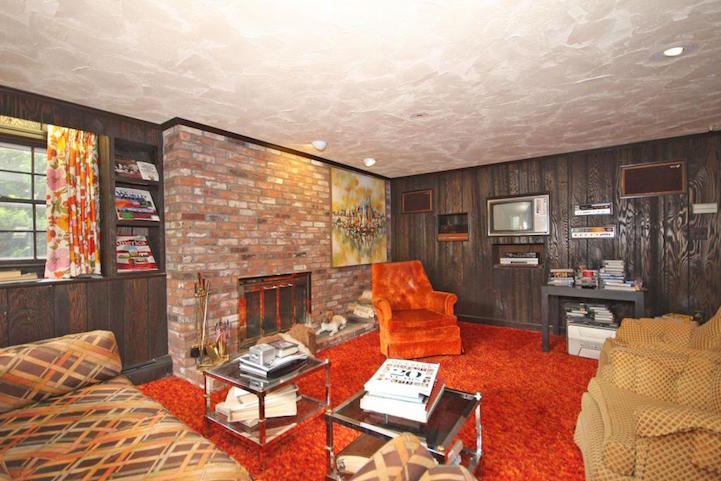
You can almost smell a ’70s basement before you see it: a mix of musty carpet, record sleeves, and whatever was bubbling in the fondue pot upstairs. These were the unofficial rec rooms of the decade, where you escaped parents, cranked the stereo, and soaked in the era’s wild mix of rock, soul, and global sounds. If you walked down those creaky stairs in the mid‑’70s, these are the 10 things you were almost guaranteed to find.
1) A Towering Stereo System and Stacks of Records
A towering stereo system was the heart of any ’70s basement, the reason you went downstairs in the first place. You dropped the needle on rock, soul, or funk, letting the speakers rattle the ceiling while you memorized every guitar solo and bass line. Lists of the era’s defining tracks, like extensive rundowns of the top 1970s songs, show how central music was to everyday life, from after-school hangouts to weekend parties. For you and your friends, that stereo turned a dim basement into a private concert venue.
The stakes were social as much as sonic, because your record collection quietly advertised who you were. Owning the right albums could signal that you were tuned into rock, glam, or deep-cut soul, and it shaped which crowd drifted into your basement. Those stacks of vinyl also created a shared language, giving everyone a playlist of references that still defines how people remember the decade’s culture and its influence on later music scenes.
2) Wood Paneling on Every Wall
Wood paneling wrapped a ’70s basement in a warm, slightly cave-like glow, instantly signaling that you were off the main floor and in unofficial territory. The panels were usually dark, glossy, and a little too shiny, turning even a plain concrete room into something that felt finished enough for serious listening sessions. Under low light, the wood made the space feel cozy and private, which mattered when you were playing loud records or talking about things you would never say at the dinner table.
That paneling also reflected a broader design trend of the decade, when natural textures and earthy tones were seen as an antidote to the sleek futurism of the 1960s. In a basement, it softened hard edges and hid imperfections, making it easier and cheaper for families to claim extra living space. For you, the result was a room that felt separate from adult life upstairs, a backdrop that still instantly evokes the era in movies, TV shows, and retro-inspired interiors.
3) Shag Carpet You Could Practically Get Lost In
Shag carpet turned a cold basement floor into a plush landscape where you could sprawl out with friends, album covers, and snacks. The fibers were long and unruly, often in oranges, browns, or avocado greens that matched the rest of the decade’s palette. It was not exactly practical, trapping crumbs and dust, but it made the room feel like a lounge where you could sit cross-legged for hours while the stereo cycled through side after side of vinyl.
Beyond comfort, shag carpet signaled that the basement was meant for lingering, not just storage. Parents might have seen it as a way to keep kids safely at home, while you experienced it as a soft, forgiving surface for everything from board games to late-night conversations. That tactile memory, the feel of sinking into the floor while music played, helps explain why so many people associate ’70s basements with a sense of freedom and low-stakes experimentation.
4) A Well-Worn Couch or Hand-Me-Down Sectional
A well-worn couch, usually a hand-me-down from the living room, anchored the seating in a ’70s basement. The fabric might have been floral, plaid, or a mysterious shade of brown, but comfort mattered more than style. Cushions sagged in the middle, springs squeaked, and nobody cared if someone spilled soda, which made it the perfect place to collapse during long listening sessions or movie marathons.
That couch also turned the basement into a social hub, giving everyone a default spot to gather. Parents could hear the muffled chatter and music from upstairs, but the distance created just enough privacy for real conversations. Over time, the furniture absorbed the decade’s soundtrack, becoming part of how you remember specific songs, friendships, and even arguments. In that sense, the couch was less a design choice and more a piece of social infrastructure that made the basement feel like neutral ground.
5) Posters of Rock, Soul, and Global Music Icons
Posters plastered across the walls turned a ’70s basement into a personal gallery of musical heroes. You might have taped up images of rock bands, soul singers, or glam icons, each one echoing the sounds spinning on the turntable. Curated lists of the era’s standout tracks, which highlight how the decade stretched from rock to glam to soul and funk while even exploring sounds from places like Brazil and Germany, show how wide your influences could run. Those posters were visual proof that your basement was tuned into a global soundtrack.
For you and your friends, the images did more than decorate bare walls. They sparked debates about which artists deserved prime placement, which albums were underrated, and how music from different countries fit into your listening habits. That kind of informal curation helped shape taste and identity, especially for teenagers who were just starting to see themselves reflected in broader cultural movements. The posters made the basement feel like a clubhouse for people who cared deeply about what they listened to.
6) A Coffee Table Covered in Magazines and Ashtrays
A low coffee table, usually scarred from years of use, sat at the center of most ’70s basements. It collected everything: music magazines, TV guides, snack bowls, and, in many homes, ashtrays that signaled how different social norms were at the time. The surface was rarely clear, which made it feel lived-in and ready for impromptu gatherings. You could flip through articles about your favorite bands while a new record played in the background.
That cluttered table also functioned as a kind of analog feed, where you picked up recommendations, gossip, and cultural cues. Album reviews and band interviews influenced which records you hunted for next, while the presence of ashtrays hinted at a more relaxed attitude toward smoking that shaped how people used shared spaces. In a broader sense, the table captured the decade’s slower, more tactile media habits, when discovering new music or trends meant reading, listening, and talking face to face.
7) Board Games and Playing Cards for Long Nights
Board games and decks of playing cards were essential backup entertainment in a ’70s basement, filling the gaps between album sides or power outages. Titles like Monopoly, Risk, and Sorry sat stacked on shelves, their boxes frayed from constant use. A simple deck of cards could keep a group occupied for hours, whether you were playing poker, rummy, or made-up games that only your friends understood.
These analog games mattered because they kept everyone in the same room, focused on each other rather than screens. The combination of music and games created a layered social experience, where a heated argument over a board move might be punctuated by a favorite chorus blasting from the speakers. That blend of competition, conversation, and shared soundtracks helped cement friendships and gave the basement a reputation as the place where weekends really happened.
8) A Bar Cart or Makeshift Snack Station
Even if it was just a card table with mismatched bowls, some kind of snack station was a fixture in a ’70s basement. Chips, pretzels, and store-brand sodas were standard, and in some homes a small bar cart appeared for the adults or older siblings. The setup signaled that you were expected to stay awhile, settling in for full evenings of music, games, and conversation without constantly running upstairs.
That easy access to food and drinks also shifted the basement’s role from overflow storage to a semi-independent hangout zone. Parents could host their own gatherings upstairs while you and your friends managed your own mini social scene below. The arrangement foreshadowed how later generations would treat basements and bonus rooms as self-contained entertainment spaces, complete with fridges and full bars, but in the ’70s it often started with a simple tray of snacks and a few plastic cups.
9) A Bulky Television and Maybe a Game Console
A bulky cathode-ray television, often inherited from the living room, gave the ’70s basement another reason to draw a crowd. The screen was small by modern standards, but it was enough for late-night movies, variety shows, or reruns watched with the volume turned down so parents would not complain. Rabbit-ear antennas and occasional static were part of the experience, adding to the sense that the basement operated on its own slightly fuzzier wavelength.
In some homes, early game consoles or dedicated electronic games started to appear, turning the TV into an interactive centerpiece. Even without advanced graphics, the combination of video games, television, and a nearby stereo hinted at the multimedia rooms that would become common decades later. For you, it meant the basement could host almost any kind of gathering, from quiet solo viewing to crowded watch parties that stretched long past when you were supposed to be in bed.
10) A Laundry Corner That Reminded You It Was Still a Basement
For all its cozy upgrades, a ’70s basement usually shared space with a laundry corner that kept things grounded. A washer, dryer, and baskets of clothes sat in one section, sometimes separated by a flimsy room divider or just a line of hanging garments. The hum of a spin cycle might mix with the bass line from the stereo, creating a soundtrack that was equal parts domestic routine and teenage escape.
That overlap underscored how basements functioned as hybrid spaces, part family utility zone and part youth clubhouse. You might pause a conversation while someone’s parent came down to switch loads, then pick up right where you left off once they went back upstairs. The coexistence of chores and leisure captured a broader truth about the decade’s homes, where limited square footage pushed different generations into creative compromises that, in hindsight, helped define the texture of everyday life.
More from Vinyl and Velvet:

Leave a Reply