

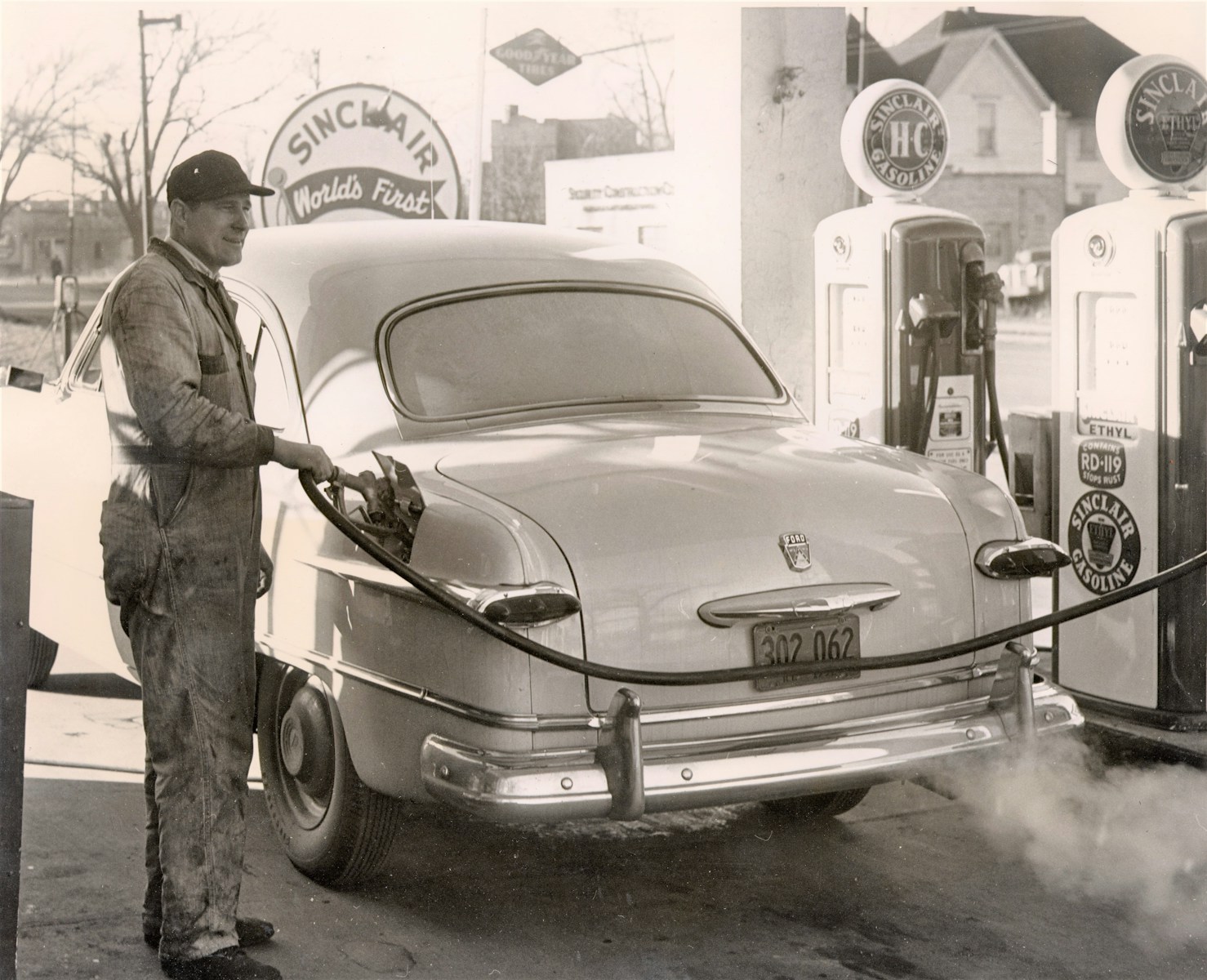
In the 1950s, a single dollar had surprising reach, stretching across your grocery list, entertainment budget, and even the gas tank. Looking back at what that one bill could buy highlights how prices, wages, and expectations have shifted, and why today’s retirees often feel squeezed. By walking through 10 specific items, you can see exactly how far a dollar once went and what that says about everyday life then versus now.
1) A Gallon of Gas
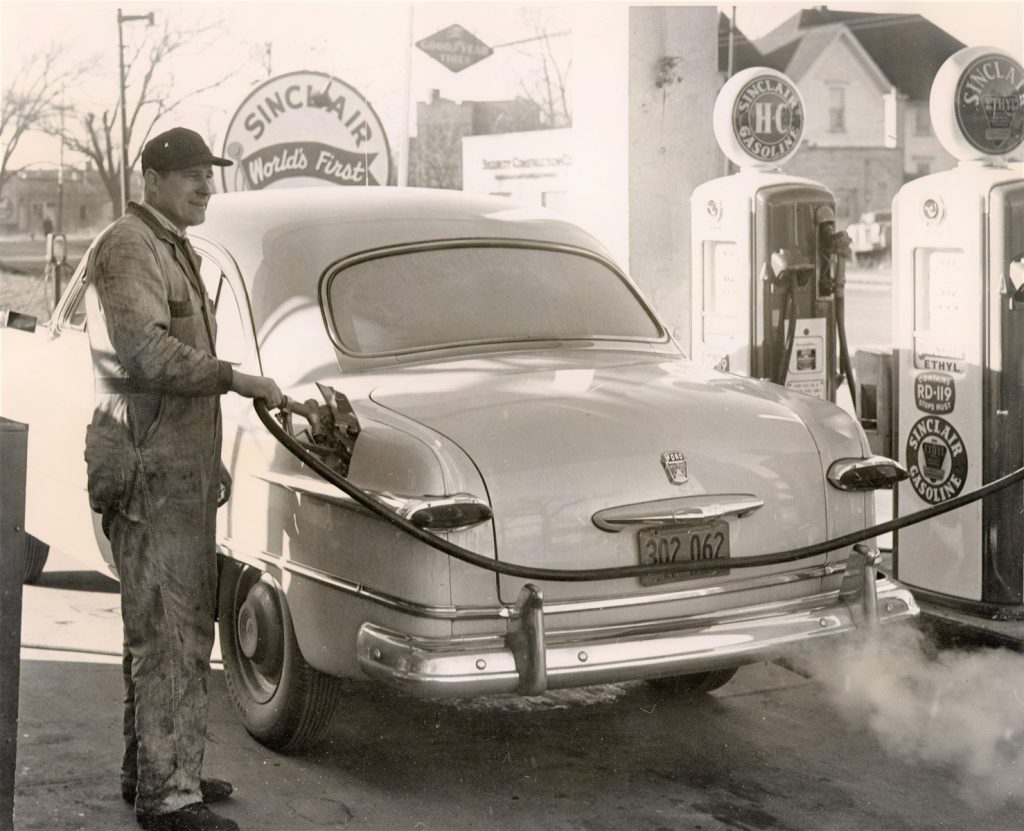
A gallon of gas cost just 27 cents on average in the 1950s, so a single dollar could cover more than three gallons at the pump. Historical breakdowns of everyday prices note that drivers in 1950 paid roughly 27 cents a gallon, a figure that held remarkably steady through much of the decade. That meant commuting, Sunday drives, and long road trips were relatively affordable, especially compared with today’s volatile fuel costs.
Those low prices mattered because car ownership was rapidly becoming the norm. One analysis of 1957 household budgets points out that a typical worker earned about $4,494 a year, paid about $20,000 for his house, $2,500 for his Ford, and still only spent around 27 cents a gallon to fill up. With fuel so cheap, transportation took a smaller bite out of take-home pay, freeing more of that limited income for housing, food, and savings.
2) A Loaf of Bread
A loaf of bread cost 14 cents in the 1950s, so your dollar could easily buy several loaves and still leave change for other staples. Price snapshots from the era show that to purchase a loaf of bread was 14 cents, right alongside other low-cost pantry items like 10 cent tomato soup. Lists of everyday bargains confirm that bread was one of the many things you could buy for $1 or less, making it a reliable anchor of the family grocery run.
Because bread was so inexpensive, it helped stretch modest paychecks into full meals. Modern breakdowns of historical grocery costs, such as those that track what groceries cost the year you were born, underline how essentials like bread, eggs, and milk formed the backbone of 1950s diets. For households juggling rent or mortgage payments with a single income, cheap bread meant sandwiches in lunch pails, toast at breakfast, and filler for casseroles without blowing the weekly budget.
3) A Dozen Eggs
A dozen eggs came in at 60 cents in the 1950s, so a dollar comfortably covered a carton with money left over. Contemporary lists of what you could buy for under a dollar in that decade explicitly note that a dozen eggs cost 60 cents, placing them squarely in the “affordable protein” category. That price made eggs a go-to ingredient for breakfasts, baking, and quick dinners when meat was more of a splurge.
Eggs’ role in the 1950s kitchen was bigger than just scrambled breakfasts. Historical grocery comparisons show that as meat prices fluctuated, eggs stayed relatively budget friendly, helping families keep protein on the table. When you consider that many households were living on a single paycheck, the ability to turn a 60 cent carton into multiple meals was a quiet but important support for nutrition and food security.
4) A Pound of Butter
A pound of butter cost 80 cents in the 1950s, which meant your dollar could almost cover a full pound with just a bit of change needed. Analyses of what $1 could buy in earlier decades highlight that dairy essentials such as butter were priced at about 80 cents per pound, reflecting both the importance of home cooking and the relatively low cost of basic ingredients. For many households, that pound of butter was a weekly staple, not a luxury.
Butter’s price mattered because so much cooking happened from scratch. From frying eggs to baking cakes, that 80 cent pound showed up in breakfast, dinner, and dessert. When you compare that to today’s concerns about rising grocery bills and retirement budgets, including guidance for people in their 50s with $650K in a 401(k) who are urged to watch spending on everyday items in retirement planning advice, you can see how shifts in food prices directly affect long term financial comfort.
5) A Movie Ticket
A movie ticket cost about 50 cents in the 1950s, so a single dollar could buy you and a friend admission to the latest film. Lists of period prices point out that entertainment like a cinema ticket was only 50 cents, which put a night at the movies within reach for many working families. That affordability helped make moviegoing a regular habit rather than a rare treat.
Those cheap tickets also shaped social life. By the numbers, a dollar in 1950 could buy you a couple of subway rides, a slice of pizza, and maybe even a movie ticket, illustrating how far small bills stretched across transportation, food, and fun. When you compare that to today’s multiplex prices, the 50 cent ticket underscores how the cost of leisure has climbed faster than many wages, changing how often you can justify a night out.
6) A Comic Book
A comic book cost just 10 cents in the 1950s, turning a dollar into a stack of ten issues for kids and adults alike. Price rundowns from the era consistently list comics among the items you could buy for $1 or less, with that 10 cent tag making them one of the most accessible forms of entertainment. For children with limited pocket money, a single coin opened the door to entire worlds of superheroes and adventure.
Cheap comics also mattered for literacy and culture. With so many titles available at 10 cents, young readers could follow ongoing stories month after month, building reading habits without straining family budgets. Modern retrospectives on what a dollar could buy in the past, including slideshows that note how in the 1950s you could stretch a single bill across multiple purchases, highlight comics as a vivid example of how inexpensive storytelling once was.
7) A Bottle of Coca-Cola
A bottle of Coca-Cola cost 5 cents in the 1950s, so your dollar could buy twenty ice cold sodas. Historical price comparisons emphasize that a Coke bottle was just a nickel, and classroom examples of inflation note that a bottle of Coca Cola cost $0.05 in 1959 and $1.50 today, using that jump to illustrate how purchasing power erodes over time. That tiny 5 cent price made grabbing a soda an easy, everyday indulgence.
The nickel Coke also shows how small treats fit into tight budgets. When a single dollar could cover twenty bottles, you could stock a fridge for a party or reward kids after chores without much financial strain. Today, when you think about long term costs of daily habits, that contrast with the $1.50 price tag helps explain why financial educators use simple items like soda to teach about inflation, not Cdeflation, and the importance of planning ahead.
8) A Hamburger
A hamburger cost about 15 cents in the 1950s, which meant a dollar could buy six burgers with change to spare. Lists of low cost 1950s staples explicitly include hamburgers at 15 cents, placing them firmly in the category of quick, affordable meals. For workers grabbing lunch or families treating themselves, that price made fast food a realistic option even on modest wages.
Those cheap burgers also foreshadowed the rise of the modern fast food industry. As car culture expanded and more people ate on the go, a 15 cent hamburger turned roadside stops into regular routines. When you compare that to today’s menu boards, the shift in burger prices highlights how convenience food has gone from occasional bargain to a recurring expense that can quietly eat into monthly budgets if you are not careful.
9) A Postage Stamp
A postage stamp cost 3 cents in the 1950s, so a single dollar could buy more than thirty stamps and still leave a few pennies. Period price lists make clear that communication via mail relied on 3 cent stamps, which kept letter writing affordable for families, businesses, and anyone with loved ones far away. That low rate helped maintain close ties across states and even across the country.
Cheap postage had broader economic implications too. With correspondence so inexpensive, small businesses could send invoices, catalogs, and marketing materials without crushing mailing costs. Modern discussions of long term planning, including guidance on long term care insurance, often stress how recurring expenses add up over decades; in the 1950s, the 3 cent stamp kept one key recurring cost remarkably low, supporting both personal and commercial communication.
10) A Gallon of Milk
A gallon of milk cost 82 cents in the 1950s, so a dollar could almost cover this household staple with just a few cents more needed. Analyses of what $1 could buy in earlier decades specify that a gallon of milk was 82 cents, placing it near the top of the under-a-dollar list but still within reach of a single bill. For families with children, that price made daily glasses of milk, cereal breakfasts, and baking projects financially manageable.
Milk’s cost is a useful lens on how grocery budgets have evolved. Historical comparisons of what groceries cost the year you were born and broader looks at what $1 could buy in the past, such as those that note how one dollar once covered multiple essentials, show that even near-dollar items like milk fit into a tight but workable budget. Today, when retirees worry about rising food prices eroding fixed incomes, those 82 cent gallons underscore how much more pressure modern households face just to keep the fridge stocked.
Supporting sources: 15 Things You Could Buy for $1 or Less in the 1950s.

Leave a Reply