

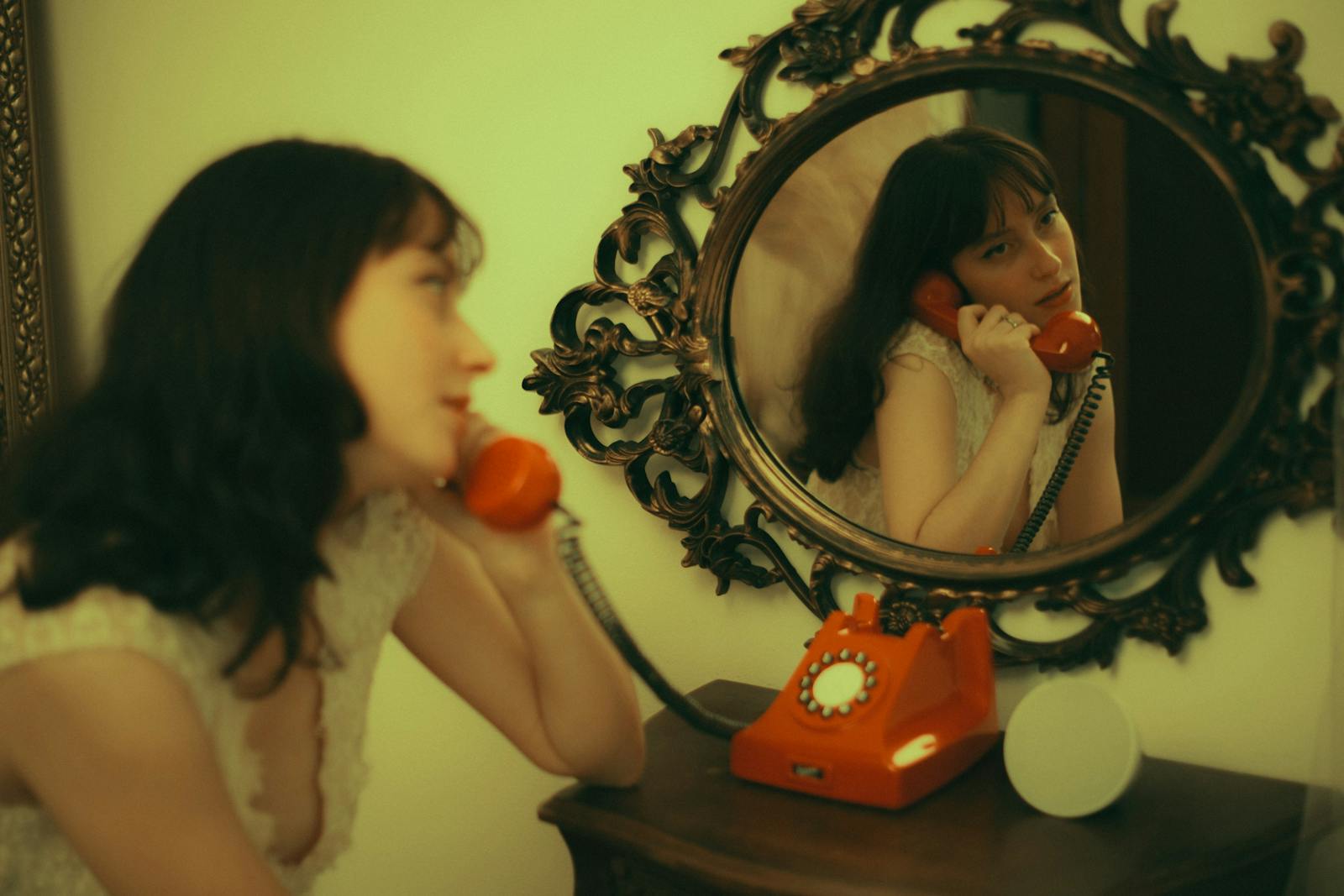
You grew up in a world that moved at a different speed — no instant streaming, no endless playlists, and no always-on smartphones. This piece walks you through moments and small rituals that shaped everyday life back then and now look downright strange to anyone raised on today’s tech.
Bold the most important sentence providing value: You’ll see how simple routines — from renting tapes and rewinding them with a pencil to waiting for a Tamagotchi to hatch — reveal how much daily life and social habits have changed, and why those changes matter to how you remember the ’90s.
Renting VHS tapes from Blockbuster
You walked into a bright store and scanned aisles of clunky boxes, trying to spot the new release everyone was talking about.
You hunted for the big yellow “New Release” display, grabbed a tape, and hoped there were copies left.
You fumbled with the plastic cases, memorized due dates, and faced the panic of a late fee.
The whole thing was social: you compared picks with friends and left with a weekend’s entertainment in hand.
Calling a friend on a landline and talking for hours
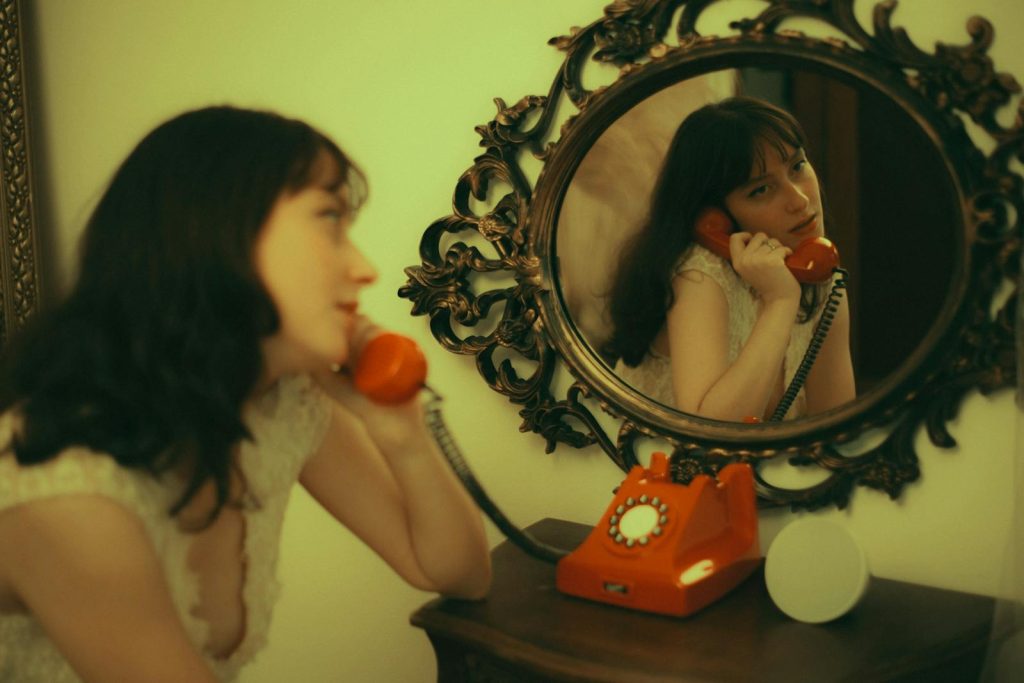
You’d camp by the phone after school and hope the line stayed free. Conversations lasted forever because everyone shared one household number and there was no texting backup.
You planned who could use the phone and when, and you learned patience—waiting your turn meant real-life tradeoffs. You’d end a call only when the battery-free clock forced you to.
Using dial-up internet with the classic screeching sound
You had to dial a number on your modem and wait through a ritual of beeps and static.
The screeching was actually two devices negotiating signals over a phone line so your computer could send and receive data.
You couldn’t use the phone while online, and connecting could take a minute or more.
Kids today, used to instant Wi‑Fi, find that patience baffling.
Rewinding tapes with a pencil to save battery
You’d jam a pencil into the cassette hub and turn it by hand to wind songs back.
It saved Walkman batteries and avoided waiting for a slow auto-reverse.
Sometimes the tape snapped and you patched it with a tiny piece of adhesive tape.
Those small fixes were part of owning portable music before smartphones.
Carrying around Walkmans and mixtapes
You clipped a bulky Walkman to your belt and felt ready for anything. Headphones tangled, cassette cases rattled; you protected your mixtapes like small treasures.
You spent time making the perfect mix—press record, pause between songs, hope you didn’t cough. Rewinding with a pencil was a skill; so was not letting tape snag during a bus ride.
Using floppy disks to save files
You saved work to a square plastic disk that held about 1.44 MB, and you checked the label like it was gold.
You juggled files, deleted old versions, and prayed the disk wouldn’t get corrupted or eaten by a drive.
You swapped disks between computers and carried stacks in wallets or boxes.
If something went wrong, you learned the hard way to make extra copies.
Waiting for your Tamagotchi to hatch and survive
You set the tiny egg on the screen and stare at the pixels until it cracks.
When it hatches, you rush to feed, play, and clean up after it like a tiny, demanding roommate.
You learned quick that ignoring it meant sickness or an empty screen.
Your friends compared stages and bragged when their Tamagotchi reached adulthood.
Plugging a portable CD player into a cassette adapter in cars
You slid a slim cassette-shaped adapter into the tape deck, then fed its cable to your Discman.
You plugged the tiny headphone jack into the player and hoped the car stereo would pick up the signal.
Sound quality depended on cable and deck; sometimes it hissed or cut out on bumps.
You twisted the player to reach the next track and felt oddly proud when it actually worked.
Watching TV guides in magazines to see the schedule
You flipped through a pocket-sized guide to plan your evening, circling must-see shows with a pen.
The listings were literal schedules — no apps, no notifications — so missing a premiere felt like bad planning.
You traded issues and clipped pages to save favorite episodes.
Sometimes you timed dinner or a phone call around a show, because if you missed it, you missed it.
Typing on T9 keypads to send texts
You tapped each number once and hoped the phone guessed the word right.
T9 mapped letters to nine keys and predicted words from those key sequences, which sped up texting on numeric keypads.
You still had to check for funny autocorrects and press a key again when the prediction missed.
It felt clever then; to kids now, the idea of texting without a full keyboard seems oddly slow and magical.
More from Vinyl and Velvet:

Leave a Reply