

You’ll laugh, wince, and probably whisper “oh, I remember that” as you walk through moments that once felt normal and now read like artifacts. This piece shows how small inventions and everyday habits suddenly make you feel out of step with today’s world.
You’ll spot the exact moments — from waiting on dial-up to stuffing an MP3 with 19 songs — that transform ordinary memories into signs you belong to a different era.
Flip through these memories and you’ll reconnect with the little frustrations and pleasures that defined your daily life before streaming, autocorrect, and constant connection.
Explaining what a CD is to Gen Z
You can tell them a CD is a small, shiny disc that stores music or data physically, not in the cloud.
You play it by inserting it into a CD player or computer drive, and the player reads tiny pits with a laser.
Explain that unlike streaming, owning a CD gives you a physical item with album art, lyrics, and sometimes extras.
Mention many young collectors buy CDs now as a tactile, retro way to support artists even if they never use a player.
Remembering loading 19 songs onto an MP3 player
You carefully picked 19 tracks because storage felt precious and playlists were curated missions.
You dragged files over and waited as the progress bar crawled, praying the cable wouldn’t disconnect.
The device displayed a tiny screen and clunky menus, but those songs felt like your whole world.
You hit eject, unplugged, and walked out victorious with a portable soundtrack in your pocket.
Using dial-up internet and waiting for connection
You remember the modem’s high-pitched handshake before any webpage loaded.
You dialed a number, listened to squeaks, and hoped the connection would hold long enough to load an image.
You had to plan around connection time—downloads took ages and phone calls interrupted everything.
Those slow waits taught you patience and how to multitask without constant online access.
Watching DVDs instead of streaming
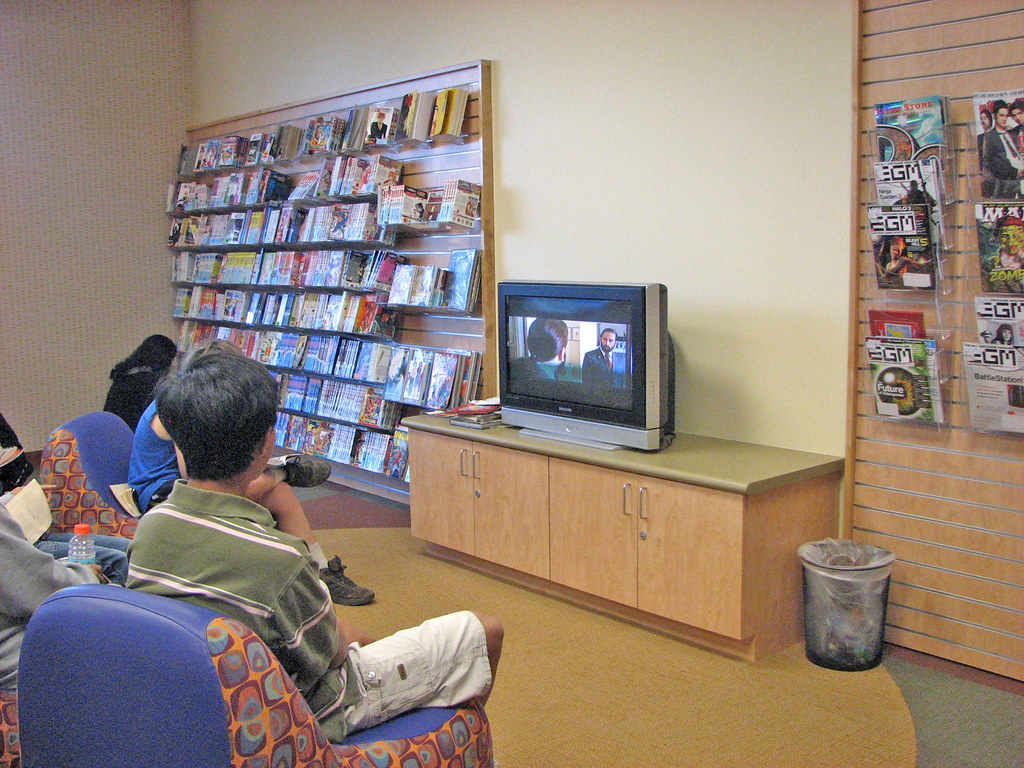
You remember renting or owning DVDs and queuing up extras, which now feels oddly quaint.
You might see Gen Z collecting discs for nostalgia or as a low-cost way to avoid streaming fees.
You notice the whole ritual—menus, chapter selection, bonus features—has mostly vanished from your daily viewing.
When you pull a DVD from a case, it hits differently than clicking “play” on an app.
Having long car rides filled with imagination, no screens
You remember when a drive meant maps, playlists passed around, and inventing stories to kill time.
You’ll trade scrolling for spotting odd road signs, building characters, or turning clouds into entire soap operas.
Someone always becomes the narrator and someone else acts out dramatic plot twists.
By the time you arrive, you’ll have created a tiny shared world—and zero battery anxiety.
Owning skinny jeans and side parts as a fashion staple
You probably remember skinny jeans and side parts as wardrobe defaults from the 2000s and 2010s.
They signaled a certain era—tight denim, heeled booties, and that perfectly swept side part.
Trends have cycled away toward looser cuts, but both looks keep popping back into rotation.
If you still wear them, they read as deliberate nostalgia or a modern twist, not an automatic fashion faux pas.
Remembering life before autocorrect and predictive text
You typed on tiny keys and lived with typos more often than not. Backspacing felt like a tiny victory, especially on flip phones.
You learned to spell by muscle memory and context, not red squiggles. Sending a message carried more risk; sometimes you embraced the charm of imperfect texts.
You miss the awkward misunderstandings that autocorrect now prevents. They made conversations messier, and occasionally more memorable.
Trying to find a payphone when your phone died
You remember how to hunt for a payphone like it’s a rare Pokémon. Walk toward older commercial areas, transit hubs, or outside hospital entrances; cities sometimes keep a few near those spots.
Look for phone booths, street poles with coin slots, or signage that reads “Telephone.” Carry a small amount of change just in case, and ask nearby shopkeepers — they often know the closest one.
Using flip phones with physical buttons
You remember tapping real buttons, not glass, and it still feels oddly satisfying.
Those clunky keys mean fewer accidental app opens and fewer notifications pulling your attention.
A flip phone forces intent: you open it to call or text, then close it and move on.
That small barrier helps you set boundaries without installing an app or doing a digital detox.
Buying physical CDs or cassette tapes
You remember mixtapes and liner notes, and now you find yourself explaining rewinding to younger people.
Buying a CD or cassette feels deliberate — you own artwork, a booklet, and a tangible item that streaming can’t replicate.
Cassettes and CDs have actually seen a small revival, so you might spot new releases on tape or disc.
They take up shelf space, require players, and sometimes cost less than you’d expect — nostalgia isn’t always expensive.
More from Vinyl and Velvet:

Leave a Reply