

Teen life in the 1960s revolved around rituals that feel almost alien in an era of smartphones and social media. From sock hops to hitchhiking, you moved through public spaces instead of group chats, and your social status often depended on your car, your band, or your transistor radio. These 10 habits show how dramatically teen culture has shifted, highlighting things you almost never see now.
1) Attending Sock Hops
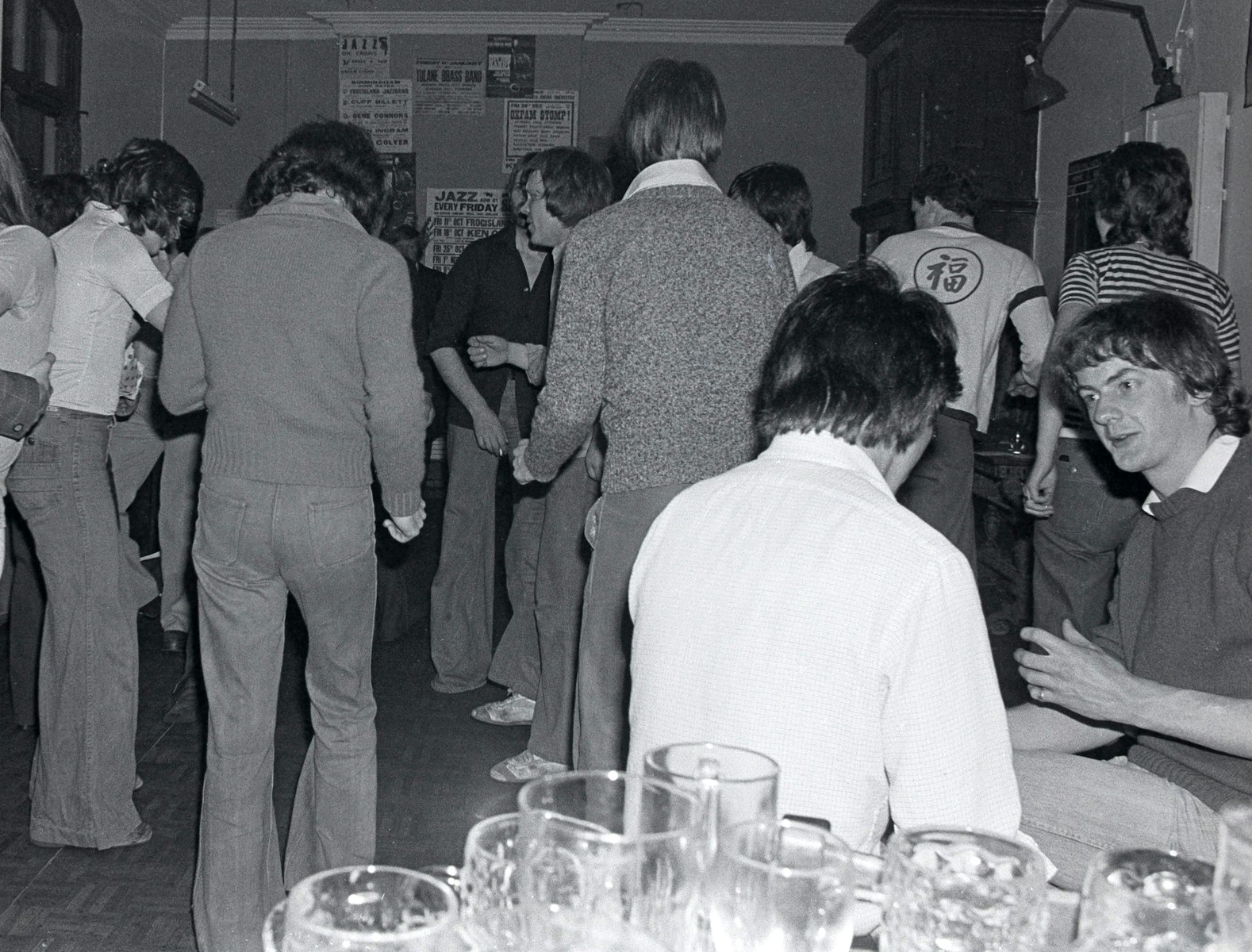
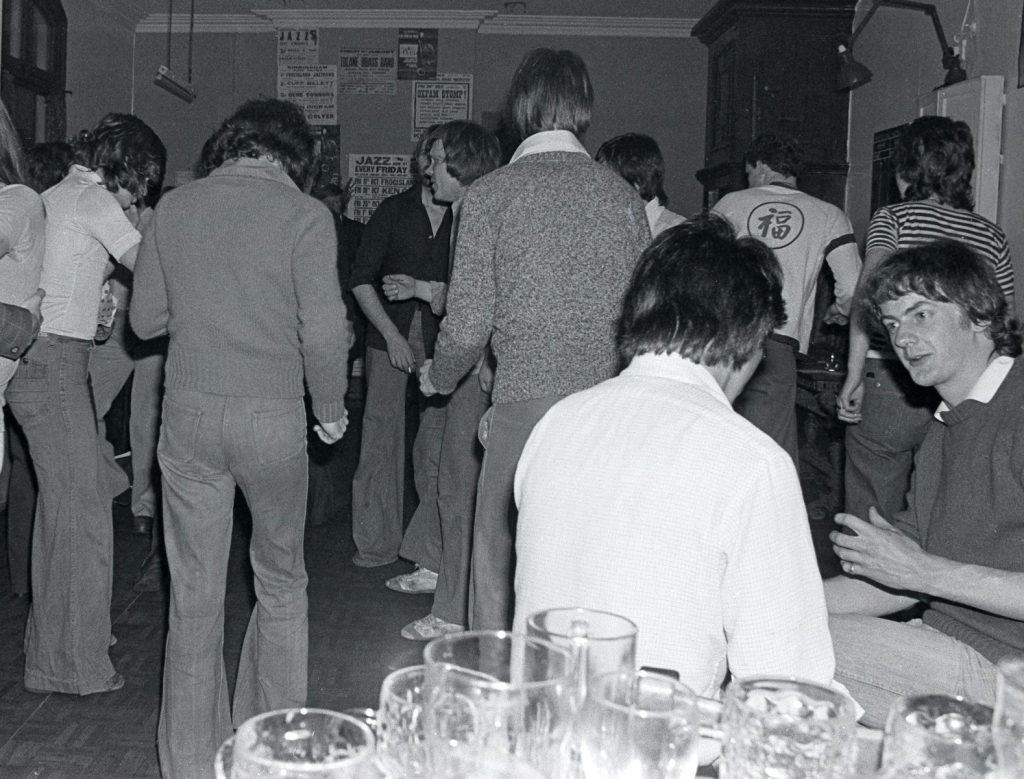
Attending sock hops meant spending a Friday night in a school gym, literally in your socks. In the early 1960s, American teenagers commonly went to these school dances where boys danced without shoes to avoid scuffing polished gymnasium floors, a detail documented in a 1962 report on the sock hop era. You might have heard Chubby Checker’s “The Twist” or early Motown singles blasting from a basic PA system while teachers chaperoned from the sidelines.
Today’s proms and homecoming dances are formal, shoe-on events, often held in hotel ballrooms or decorated gyms with DJs, LED lights, and strict security. The casual, low-tech ritual of slipping off your shoes and dancing in a circle of classmates has largely vanished. That shift reflects how school events have become more polished, more expensive, and more controlled, with liability concerns and dress codes replacing the informal spontaneity of a sock hop.
2) Cruising Main Streets in Cars
Cruising main streets in cars was a central social script for 1960s teens. Reporting on car culture describes how you spent evenings slowly driving up and down boulevards like Van Nuys Boulevard in California to socialize, flirt, and show off your vehicle, often a hand-me-down Chevy or Ford. The point was not the destination but the loop, windows down, AM radio on, scanning sidewalks and other cars for friends or potential dates.
That kind of unstructured, fuel-burning hangout has mostly been replaced by digital meetups and curated events. Instead of circling the same strip for hours, you now connect on Snapchat, Instagram, or group texts, then meet at malls, coffee shops, or organized car meets. The decline of casual cruising reflects higher gas prices, stricter traffic enforcement, and environmental awareness, but it also shows how teen social life has shifted from public streets to private screens.
3) Carrying Transistor Radios Everywhere
Carrying transistor radios everywhere turned 1960s teens into some of the first truly mobile media consumers. By 1963, over 5 million transistor radios were sold annually to U.S. teens, who slipped them into pockets or purses and tuned in to Top 40 hits by groups like The Beatles, as detailed in coverage of the transistor revolution. You might have shared an earbud-style earpiece with a friend in class or at the beach, secretly listening to the latest chart countdown.
Streaming apps on smartphones now give you far more control, but that specific ritual of clutching a crackling plastic radio and twisting a dial through static is gone. The transistor era made DJs powerful tastemakers and tied local identity to specific stations. Today, algorithmic playlists on Spotify or Apple Music personalize your feed, yet they also flatten regional differences, shifting influence from local radio personalities to global platforms and recommendation engines.
4) Watching Movies at Drive-Ins
Watching movies at drive-ins turned filmgoing into a rolling social scene. Drive-in movie theaters peaked in the 1960s with 4,063 locations nationwide, where teens watched films like “American Graffiti” from their cars while snacking, according to historical accounts of drive-in theaters in the 1960s. Other research on the format notes that There were over 4,000 sites serving the Baby Boomer audience, and the term Drive became shorthand for this outdoor experience.
Today, a handful of drive-ins survive, but they are novelty destinations rather than default weekend plans. Multiplexes, streaming services, and home theaters have pulled movie nights indoors, while zoning rules and land values pushed many drive-ins out. For teens, that means fewer semi-private spaces where you could talk, flirt, or just hang out in a car while a movie played in the background, changing how you mix entertainment with social life.
5) Forming Garage Bands
Forming garage bands exploded after the British Invasion hit U.S. airwaves. In 1964, the wave of U.K. groups led teens across the country to form garage bands, with over 10,000 amateur groups emulating The Beatles and performing at local teen centers, as chronicled in histories of the garage rock boom of the 1960s. You and your friends might have plugged cheap guitars into borrowed amps in a parent’s garage, learning three chords and chasing the fantasy of a record deal.
Today, you are more likely to produce tracks alone on a laptop using GarageBand, FL Studio, or Ableton than to shake the neighborhood with live rehearsals. Online tutorials and digital tools make music creation more accessible, but they also shift collaboration from in-person jams to file sharing and remote projects. The garage band era fostered face-to-face teamwork, local gigs, and DIY scenes, while modern workflows emphasize individual production and global distribution on platforms like SoundCloud and TikTok.
6) Protesting the Vietnam War
Protesting the Vietnam War turned 1960s teens into a visible political force. Vietnam War protests saw 500,000 teens marching in Washington, D.C., on October 15, 1969, chanting “Make love, not war” and burning draft cards, as detailed in accounts of 1960s student protests. You might have traveled by bus to the capital, carried handmade signs, and faced police lines while listening to speeches against the conflict.
Modern youth activism often unfolds through hashtags, livestreams, and online petitions, with physical marches still important but coordinated digitally. The stakes in the 1960s were intensely personal because the draft could send you or your friends into combat. Today, you may mobilize around climate change, racial justice, or gun violence, but the tools of organizing have shifted from mimeographed flyers and campus meetings to encrypted chats and social platforms, changing both the risks and reach of teen protest.
7) Hanging Out at Soda Fountains
Hanging out at soda fountains gave 1960s teens a home base that blended cheap food with social buzz. Teens frequented soda fountains and diners, ordering cherry Cokes and hamburgers at places like the original Arnold’s in Cincinnati, Ohio, established in 1967, as described in reporting on 1960s diner culture. You might have claimed a booth for hours, feeding quarters into a jukebox and catching up on school gossip while waitresses refilled coffee for older regulars.
Fast-food chains and coffee franchises have largely replaced that mix of local flavor and lingering. Today, you are more likely to grab a quick meal at McDonald’s or scroll on your phone at Starbucks than to treat a single counter as your social headquarters. The decline of independent soda fountains reflects broader shifts in real estate, franchising, and work schedules, and it means fewer intergenerational spaces where teens, families, and retirees regularly cross paths.
8) Hitchhiking on Road Trips
Hitchhiking on road trips embodied the 1960s counterculture’s faith in strangers and spontaneity. The counterculture prompted teens to hitchhike across the U.S., with thousands joining the “Hippie Trail” from San Francisco’s Haight-Ashbury to New York by 1967, as recounted in coverage of hitchhiking in the 1960s. You might have stood on a highway ramp with a cardboard sign, trusting passing drivers to carry you to the next commune, concert, or crash pad.
Today, hitchhiking is widely discouraged for safety reasons, and long-distance travel is more likely to involve budget airlines, buses, or app-based rides. The rise of true-crime narratives, stricter policing, and parental anxiety has turned what was once a common teen adventure into a fringe choice. That change signals a broader shift toward managed risk and digital coordination, where you track rides in Uber or Lyft instead of relying on the kindness of unknown motorists.
9) Camping at Music Festivals Like Woodstock
Camping at music festivals like Woodstock set a template for mass youth gatherings that still looms large in pop culture. In 1969, Woodstock festival drew 400,000 teens to Yasgur’s Farm in Bethel, New York, where they camped, shared food, and listened to bands like Jimi Hendrix without modern security, as detailed in the original Woodstock 1969 report. You might have slept in the mud, bartered for snacks, and wandered between stages in a largely self-organized crowd.
Contemporary festivals such as Coachella or Lollapalooza rely on strict ticketing, fenced perimeters, bag checks, and corporate sponsorships. While camping still exists at some events, it is heavily regulated, with designated zones and security patrols. The free-form, lightly policed environment of Woodstock is rare, reflecting new expectations around safety, liability, and profit. For teens, that means fewer chances to experience massive, loosely structured communal gatherings that blur the line between audience and temporary village.
10) Smoking Cigarettes Openly in Public
Smoking cigarettes openly in public was a normalized part of 1960s teen life. Teens commonly smoked in schools and public spaces, with 42% of high school seniors reporting daily use by 1965, before indoor bans, according to historical youth smoking data. You could light up in hallways, at diners, or in cars packed with friends, and teachers or bus drivers might smoke nearby without comment.
Today, cigarette smoking among teens has dropped sharply, and indoor bans make it socially and legally difficult to replicate that behavior. Concerns have shifted to vaping and nicotine pouches, which are often used more discreetly and face targeted regulations. The transformation from open, accepted smoking to restricted, stigmatized use reflects decades of public health campaigns, lawsuits, and policy changes, showing how quickly a once-routine teen habit can become almost unthinkable in everyday school and social settings.

Leave a Reply