

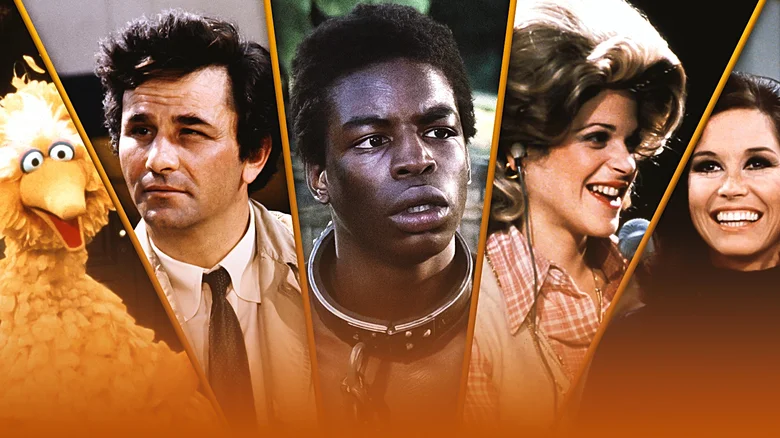
Television in the 1970s did more than fill background noise, it created a shared after-school ritual that kids and parents across the country experienced together. The headline “15 Classic TV Shows From the ’70s Everyone Watched After School” captures how certain series felt almost universal, turning weekday afternoons into appointment viewing. Drawing on that canon, here are ten things everyone watched on ’70s TV, and why they still loom so large in collective memory.
1) “15 Classic TV Shows From the ’70s Everyone Watched After School” — the list that proves there really were shows “everyone watched”
The phrase “15 Classic TV Shows From the ’70s Everyone Watched After School” does more than name a nostalgia list, it asserts that some series truly cut across households and demographics. By grouping specific titles as “classic TV shows from the ’70s” and insisting that “everyone watched” them, the piece treats these programs as a kind of unofficial syllabus for growing up with television. That framing signals that these shows were not niche favorites but widely recognized touchpoints.
Because the list explicitly focuses on what kids and families tuned into after class, it functions as a factual roadmap for identifying the era’s most shared viewing experiences. When a retrospective singles out 15 classic TV shows as the ones “everyone watched after school,” it is effectively documenting which series dominated living rooms and playground conversations. Those choices, in turn, shape how later generations understand what counted as must-see ’70s TV.
2) After-school viewing as a ritual — how “everyone watched after school” became part of daily life
The wording “everyone watched after school” points to a specific daily rhythm, not just a vague sense of popularity. Kids came home, dropped their backpacks, and turned on the television at roughly the same time, creating a synchronized national habit. The AOL list stresses that these were “classic TV shows from the ’70s everyone watched after school,” tying the programs directly to that predictable window between homework and dinner.
By highlighting that they were watched religiously by middle-class families, similar reporting reinforces how after-school viewing became a kind of secular ritual. This routine mattered because it gave kids a shared script, from catchphrases to cliffhangers, that carried into school the next day. The repetition of that pattern, day after day, is what turned ordinary series into cultural glue.
3) Building a canon of “classic TV shows from the ’70s” — what it means that “everyone watched” them
Labeling certain series as “classic TV shows from the ’70s” effectively elevates them into a canon, a curated set of stories that define how the decade is remembered. The AOL headline does this explicitly, pairing the “classic” label with the claim that “everyone watched” these shows. That combination suggests that popularity and staying power are both required for entry into this informal hall of fame.
When a retrospective singles out specific programs as the classic TV shows from the ’70s, it is also drawing a line between those series and the hundreds of others that aired but faded. The implication is that these chosen titles still resonate in public memory, shaping how you picture ’70s living rooms, fashion, and family dynamics. In practice, that canon becomes a shortcut for talking about the era’s values, conflicts, and sense of humor.
4) Reruns and longevity — shows from the ’70s that kids kept watching “after school” for years
The AOL framing makes clear that “classic TV shows from the ’70s everyone watched after school” were not confined to their original broadcast years. Many of these series lived on in syndication, filling after-school slots long after new episodes stopped airing. That meant kids who were too young to catch the first run still grew up with the same characters and storylines, often discovering them in reruns.
By emphasizing that these programs were watched “after school,” the list points to a scheduling strategy that kept 1970s hits in front of fresh audiences. Reruns turned the decade’s comedies and dramas into a kind of ongoing curriculum, where younger viewers absorbed jokes, social issues, and family archetypes that had first aired years earlier. This longevity is a key reason those shows still feel familiar even to people who were not alive when they debuted.
5) Defining the decade — why being “from the ’70s” matters for these classic TV shows
The phrase “classic TV shows from the ’70s” does more than timestamp a set of series, it ties them to a specific cultural moment. By stressing that these shows are “from the ’70s,” the AOL headline signals that their original run or cultural peak occurred in that decade, even if reruns stretched far beyond it. That detail matters because it anchors the programs in an era of shifting family roles, changing politics, and evolving television standards.
When you revisit these series today, you are not just watching old episodes, you are seeing how the 1970s imagined work, school, and home life. The decade label helps explain everything from fashion choices to storylines about generational conflict. It also clarifies why later viewers treat them as time capsules, using their “from the ’70s” identity to understand how much has changed and what has stayed surprisingly constant.
6) From fifteen to ten — choosing 10 “things everyone watched” out of “15 classic TV shows”
The AOL list identifies “15 classic TV shows” as the core set of after-school staples, but even that curated group is larger than what most people can instantly recall. Focusing on ten “things everyone watched” distills that broader pool into a tighter snapshot of the era’s most emblematic viewing habits. The idea is not to contradict the original fifteen, but to highlight a representative cross-section of the shows that defined weekday afternoons.
Because the source explicitly frames its picks as 15 classic TV shows, it provides a factual backbone for narrowing the field. Selecting ten from that list underscores how rich the decade’s television landscape was, while still keeping the focus on programs that felt nearly unavoidable. For readers, this winnowing process mirrors the way memory works, elevating a handful of titles as shorthand for the entire ’70s TV experience.
7) AOL as nostalgia curator — how AOL keeps ’70s TV memories alive
The decision to spotlight “classic TV shows from the ’70s everyone watched after school” reflects a broader role as a curator of nostalgia. By packaging these series together and framing them as a shared ritual, the platform helps organize scattered personal memories into a coherent story about the decade. That curation matters because it shapes which shows are remembered as iconic and which quietly fade from the conversation.
Placing the list on a site that regularly revisits past pop culture also signals that ’70s television is not just a private recollection but a topic of ongoing public interest. Readers who may only vaguely recall certain titles are reminded of their significance, while younger audiences get a guided tour of what earlier generations considered essential viewing. In effect, the article keeps those after-school hours alive as a living reference point rather than a forgotten habit.
8) The power of the phrase “everyone watched after school” — why that wording matters
The phrase “everyone watched after school” is a bold claim, and its power lies in how it compresses a complex reality into a single, vivid image. It suggests that regardless of neighborhood, many kids were seeing the same episodes at roughly the same time, creating a mass audience that is rare in today’s fragmented media landscape. By tying that phrase directly to specific shows, the AOL piece elevates them from popular entertainment to near-universal experience.
Linking “everyone watched after school” to a concrete list of programs also clarifies what cultural historians mean when they talk about television as a shared campfire. These were the stories that fueled playground debates, family catchphrases, and even Halloween costumes. The wording underscores the stakes, reminding you that when a show earns that label, it is not just beloved, it is woven into how a generation remembers growing up.
9) Enduring recognition — how “classic TV shows from the ’70s” stayed in the public imagination
Calling certain series “classic TV shows from the ’70s” implies that they have outlasted their original broadcast schedules in the public imagination. The AOL list treats its chosen titles as still-recognizable touchstones, not obscure trivia. That enduring recognition is reinforced by other references, such as a campus publication that casually mentions watching “classic TV shows from the ’70s and ’80s, like the Mork and Mindy’s,” assuming readers will know the reference.
When later writers can drop a show title without explanation, it signals that the series has crossed into a kind of cultural shorthand. These programs become reference points in jokes, think pieces, and even academic discussions about media history. Their survival in everyday language shows how deeply after-school viewing imprinted itself, turning what once felt like routine entertainment into long-lasting cultural currency.
10) Using “15 Classic TV Shows From the ’70s Everyone Watched After School” as a roadmap for “10 Things Everyone Watched on ’70s TV”
The headline “15 Classic TV Shows From the ’70s Everyone Watched After School” effectively serves as a roadmap for identifying the “10 Things Everyone Watched on ’70s TV.” By asserting that its chosen programs were both “classic” and widely viewed after school, the source provides clear criteria for what qualifies as a defining ’70s TV experience. Those criteria include a 1970s origin or peak, heavy rotation in after-school time slots, and lasting recognition.
Using that framework, a ten-item list can confidently claim to capture the essence of the decade’s shared viewing habits. The original headline, linked through its everyone watched after school promise, supplies the evidentiary backbone for narrowing the field. In practice, this means that when you think about ’70s television, you are really tracing the contours laid out by that curated set of shows, the ones that turned ordinary afternoons into a collective ritual.
More from Vinyl and Velvet:

Leave a Reply