

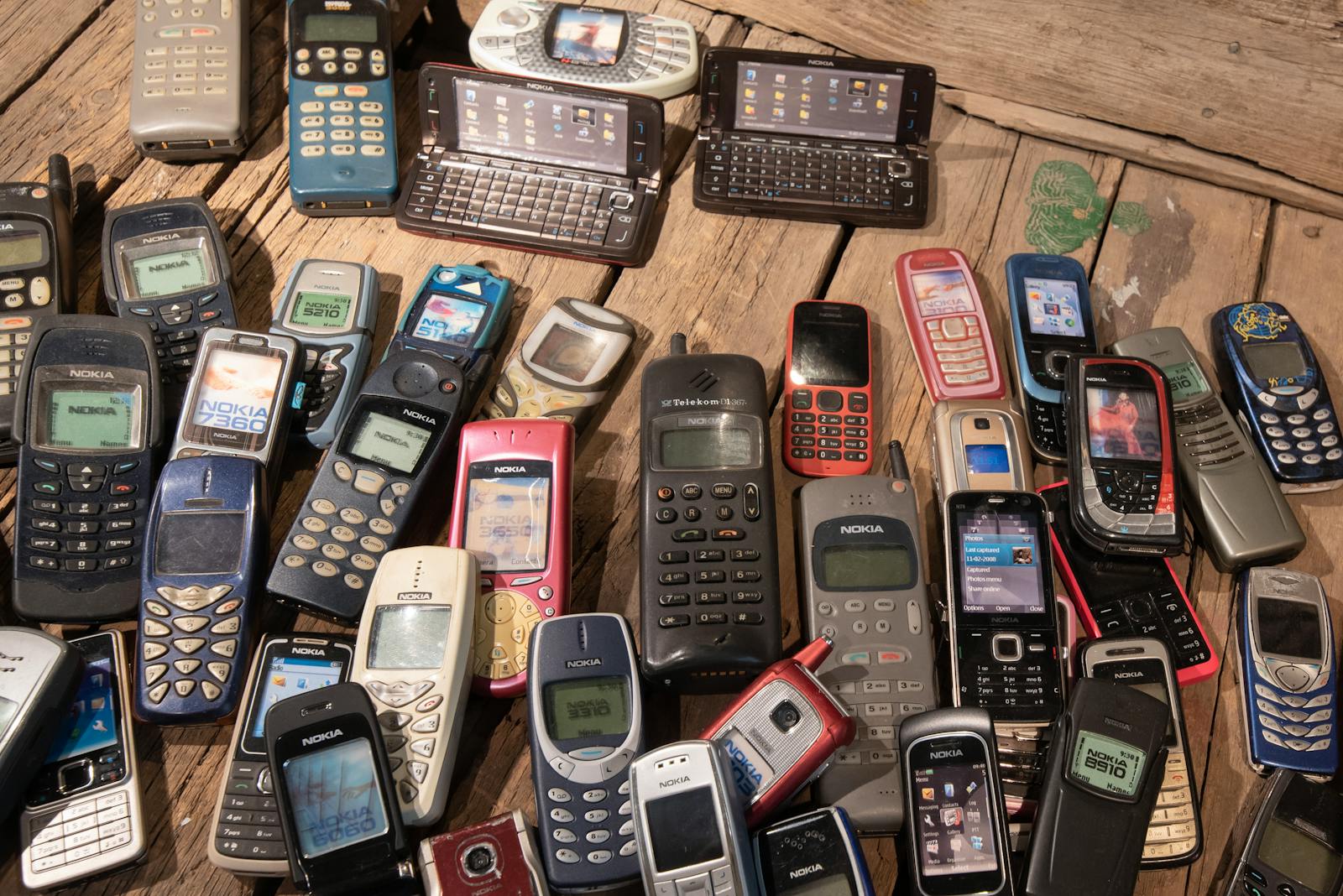
You probably own a drawer of old chargers, CDs, or dusty gadgets that seem ancient now. This article shows how everyday tech you once relied on—like portable music players, early phones, and game consoles—has moved from your pocket to glass cases in museums, and why those shifts matter for how you remember the 2000s.
You’ll revisit devices that changed how you listened, played, wrote, and connected, and you’ll see the quiet logic behind their rise and fall. Expect short, nostalgic looks that explain what made each item essential then and collectible now.
Sony Walkman
You probably remember lugging a cassette player and swapping tapes between songs. The Walkman made music personal and portable, turning headphones into a daily accessory.
By the 2000s it had shifted into digital Walkmans and phones, but classic cassette models became collector pieces. Museums now show them as artifacts of a pre-streaming listening era.
Polaroid Land Camera
You probably remember the thrill of watching a picture appear in your hands seconds after snapping it.
The Land Camera compressed darkroom steps into one self-contained film unit, making instant prints practical for amateurs and pros alike.
You could use these cameras for passport photos, scientific snaps, or quick family portraits.
Today they sit in museums and collections, reminders of how photography once delivered instant physical memories.
Apple Newton
You probably remember the Newton as one of the first PDAs Apple sold in the 1990s that stuck around in the 2000s as a curiosity.
You used it for notes, contacts, and shaky handwriting recognition that aimed to feel natural but often misread your scrawl.
Its chunky design and stylus input look quaint now, yet the Newton helped shape ideas behind later smartphones and tablets you use today.
Collectors and museums keep them on display to show early attempts at mobile computing.
Atari 2600
You probably recognize the blocky graphics and single-button joysticks from family rooms and basements.
The Atari 2600 made cartridges common, letting you swap games instead of buying a whole new machine.
It sold millions and kept getting support long after newer systems arrived.
Today it sits in museums and collections as a reminder of how home gaming started.
First-Gen iPod
You remember carrying a pocket-sized jukebox that held 1,000 songs and felt futuristic.
Released in 2001, the first iPod paired a click wheel, a 10-hour battery, and simple syncing with iTunes.
It changed how you stored and played music on the go without streaming.
Today it sits in museums as a reminder of when digital music shifted from discs to devices.
Nokia 3310
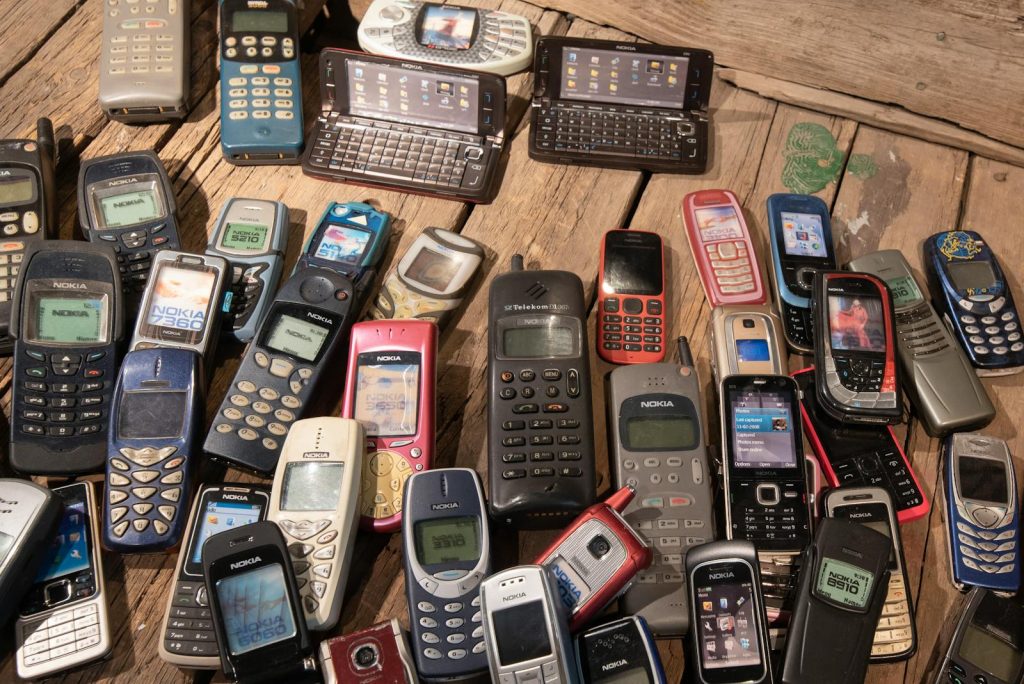
You probably remember the Nokia 3310 as the indestructible candy-bar phone everyone carried in the early 2000s.
It gave you long battery life, simple menus, and very basic personalization like custom ringtones and screensavers.
Texting felt faster with T9 predictive input, and Snake kept you entertained on short waits.
Now it sits in museums as a snapshot of pre-smartphone mobile design and everyday tech habits.
IBM Selectric Typewriter
You might remember the Selectric as the chunky, clicky typewriter that replaced messy typebars with a rotating typeball.
Its electric mechanism made typing faster and offered interchangeable fonts, so you could change styles without swapping machines.
Using one felt mechanical and intentional compared to modern keyboards.
Today you’ll mostly find Selectrics in museums or private collections, admired for their design and engineering.
Super 8 Film Camera
You probably remember the chunky Super 8 camcorder families used for home movies and school projects.
It made shooting film simple with cartridges, basic auto exposure, and that warm, grainy look you still see in vintage edits.
Using one meant thinking in physical film—loading, winding, and sending rolls off for processing.
Now collectors and indie filmmakers revive Super 8 for its texture, not convenience.
Dial-Up Modem
You remember the screeching handshake and waiting while your modem dialed your ISP’s number.
It converted your computer’s digital data into analog tones that traveled over a phone line.
You couldn’t use the phone at the same time unless you had a second line.
Speeds topped out around 56 kbps, which feels glacial compared to today.
Today a dial-up modem belongs in a museum display about early home internet.
It shows how people first connected to the web and why broadband changed everything.
Game Boy
You probably carried a Game Boy in your backpack or spotted one on a friend’s shelf in the 2000s.
Its simple controls, cartridge library, and long battery life made it a go-to for portable play.
Today you’ll find original units and special editions in museums and collections.
They show how handheld gaming moved from niche gadget to cultural staple.
More from Vinyl and Velvet:

Leave a Reply