

You grew up with instant answers, streaming everything, and devices that do a hundred jobs at once — which makes it easy to forget what used to take time, effort, or a trip to a corner store. This article shows the everyday technologies boomers used that you’ll never have to deal with, and why those old tools shaped different habits and expectations.
Bold the most important sentence? You’ll see how things like rotary phones, Polaroid cameras, VHS players, and encyclopedia sets made daily life slower, hands-on, and sometimes oddly inconvenient — and why that matters for the way you live now. Expect a mix of nostalgia, practical differences, and a few surprises about how much life changed.
Rotary dial phones
You had to place your finger in a hole, rotate the dial, and wait for it to snap back before the next number. Mistakes meant starting the whole sequence over, so dialing required patience and care.
The phones were bulky and tethered by a cord, so calls happened in one room and interruptions were obvious. You couldn’t speed-dial a friend or mute a noisy background with a tap.
Polaroid instant cameras
You remember the thrill of watching a picture appear in your hands seconds after snapping it.
No uploads, no edits — just a physical photo that developed before your eyes.
You paid for each shot, so every click felt more deliberate.
That made you think twice about wasting frames, which kids with endless phone storage never experience.
VHS tape players
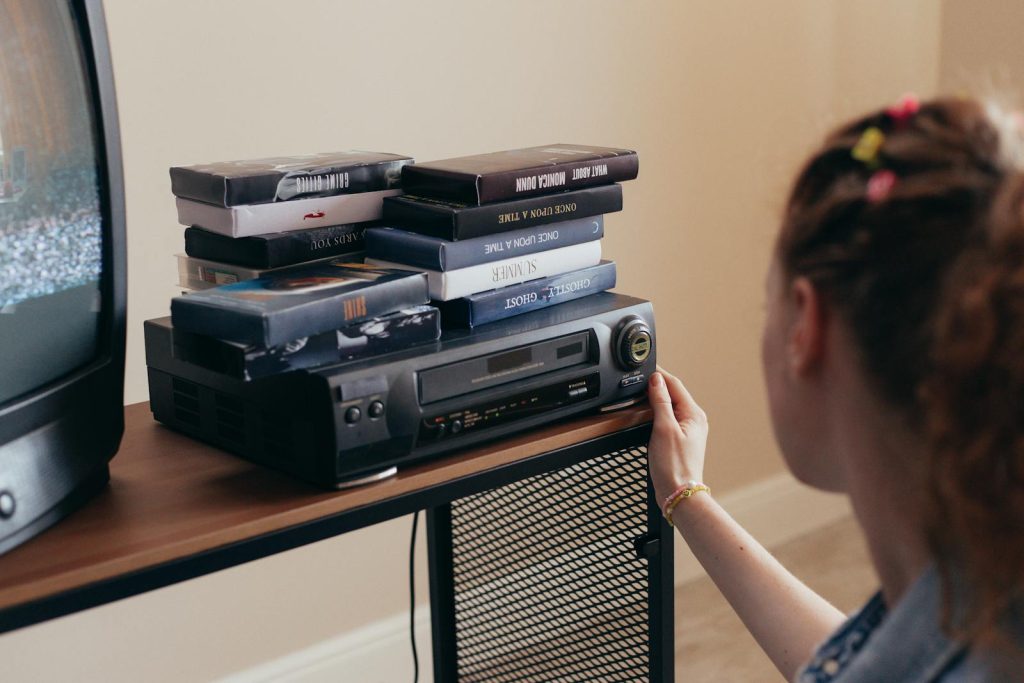
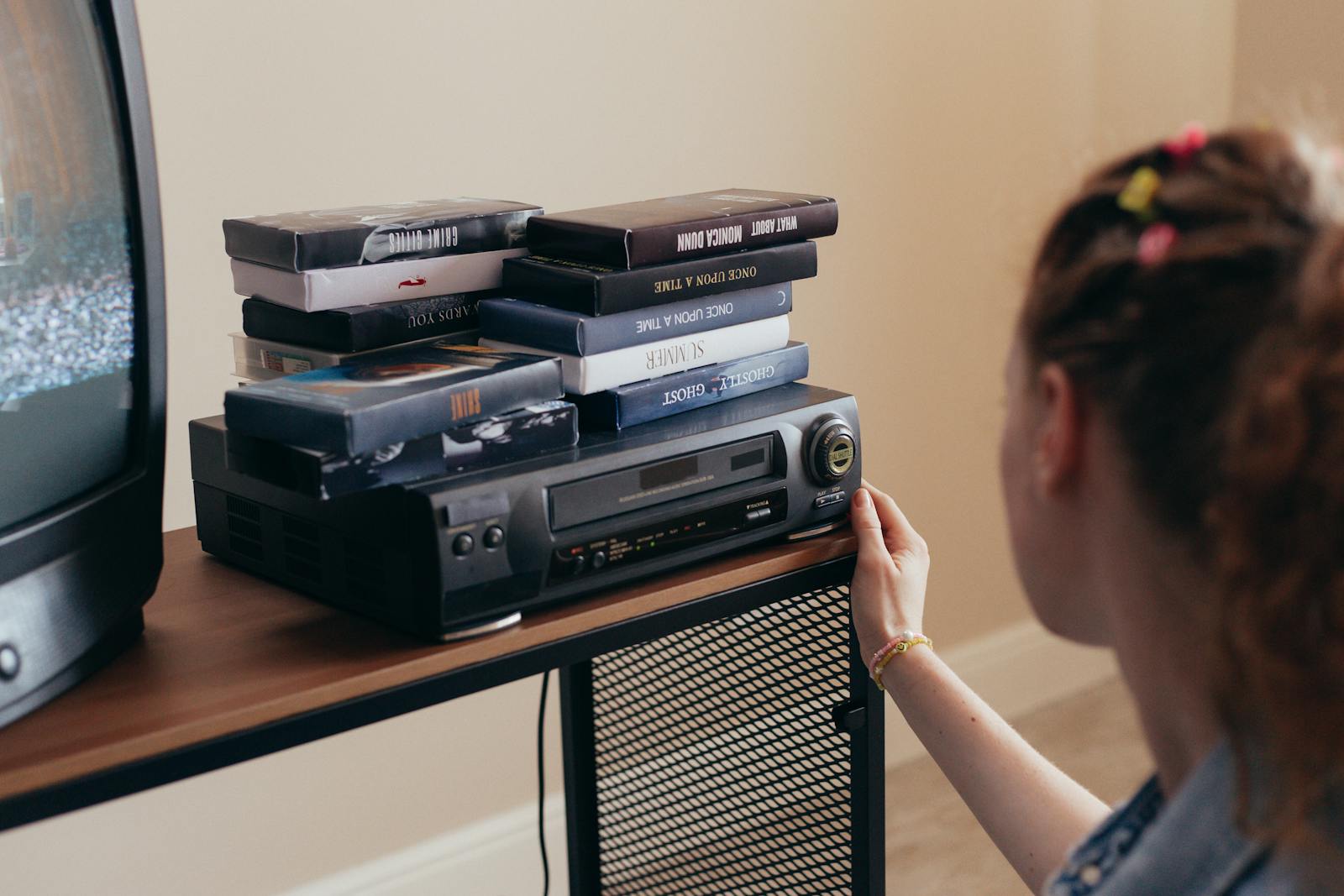
You had to rent or buy a bulky cassette, thread it into the VCR, and hope the tracking didn’t ruin the picture.
Rewinding before returning tapes taught patience — and how to brace for the awful whirr when a tape jammed.
You couldn’t instantly skip to a scene; fast-forwarding took time and finger discipline.
Kids today stream on demand and never learn the small rituals that came with movie night.
Drive-in movie theaters
You grew up pulling into a gravel lot, radio tuned to the movie’s audio while the screen glowed ahead.
Nights at the drive-in meant reclining in the car, snacks passed hand-to-hand, and a promise of privacy parents mostly ignored.
Today you can stream on-demand, but nothing quite matched the communal, low-cost charm of watching films under the stars.
Phone books
You used to flip through thick directories to find a number, not tap a contact search.
Pages wore thin from being bent back; you kept a pencil for notes and cross-references.
If a new neighbor moved in, you waited for the next edition or asked around.
Phone books doubled as doorstops, crafts material, or emergency bookmarks when the power went out.
Soda fountains
You likely remember sliding into a vinyl stool at the counter, where a soda jerk mixed floats and phosphates with theatrical flair.
The menu felt tiny but magical — malted milkshakes, cherry Cokes, and ice cream sundaes served under a neon sign.
It was a social spot, not just a place to grab a drink. You met friends, lingered after school, and watched the town go by while the blender whirred.
Hand-cranked pencil sharpeners
You remember turning the crank stuck to the classroom wall while everyone waited their turn.
The metal burrs and whirring gears gave a satisfying click when your pencil emerged pointy again.
You learned to feed the pencil just right to avoid snap-offs or uneven points.
No plug, no batteries — just elbow grease and a teacher peeking over your shoulder.
Typewriters
You learned to type on a machine that demanded precision; every mistake meant correction fluid or starting the line over.
The QWERTY layout you use now came from those clacking keys, but today your phone’s autocorrect saves you from ugly white-out.
You felt the rhythm of hitting hard keys and returning the carriage by hand.
That physical feedback is gone, along with the patience those machines taught you.
Slide projectors
You remember loading a tray, dimming the lights, and praying the next slide wasn’t blank.
Those bulky projectors ruled family holidays and classroom lectures before digital files took over.
You had to swap slides manually or wrestle with a stuck carousel.
Kids today click a file and move on—no fumbling, no burned-out bulbs, no sticky mounts.
Encyclopedia sets
You learned to hunt facts by flipping through heavy volumes, not tapping a search bar.
Those multi-book sets sat on a shelf and demanded patience and cross-referencing.
You copied entries into notebooks and trusted index pages.
Using an encyclopedia taught you to evaluate sources in a slower, more deliberate way.
More from Vinyl and Velvet:

Leave a Reply