

The 1950s table was packed with flavors that once felt futuristic and now read like time capsules. When you revisit these signature tastes, you see how convenience foods, soda fountains, and church potlucks shaped what you ate. By tracing eight forgotten favorites, you can understand how midcentury America blended novelty, nostalgia, and a very specific idea of “modern” eating.
1) Lime Jell-O Salads
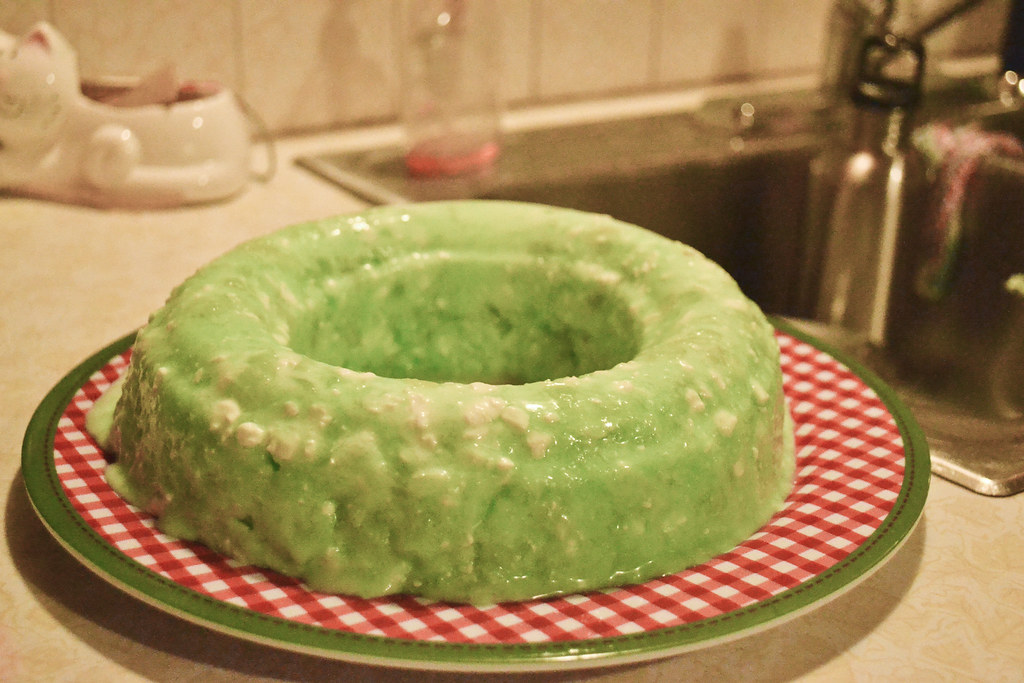
Lime Jell-O salads captured the 1950s fixation on color, texture, and convenience. In 1955, Lime Jell-O became a staple for salads, often mixed with cottage cheese and pineapple chunks, as reported in mid-century cookbooks. That combination of tart gelatin, creamy curds, and syrupy fruit turned a pantry product into a centerpiece, especially on holiday and buffet tables. The format fit perfectly with the decade’s enthusiasm for molded dishes that could be prepared in advance and unmolded with theatrical flair.
For home cooks, these salads signaled that you were keeping up with modern kitchen trends while still stretching a budget. You could open a few cans, stir in dairy, and present something that looked elaborate without requiring professional skills. The popularity of Lime Jell-O salads also reflected a broader trust in processed foods, as families embraced boxed mixes and powdered desserts as symbols of postwar progress.
2) Cream Soda Dominance
Cream soda in the 1950s showed how sweet, dessert-like drinks could briefly outshine classic colas. Cream soda, peaking in popularity during the 1950s with brands like A&W, featured a vanilla-forward taste that outsold colas in some regions by 1952 sales figures. That rich, almost ice-cream-like profile made it a natural match for soda fountains, where you might pair it with a scoop of vanilla or a cherry syrup shot. The drink’s success highlighted how flavor innovation could disrupt even the most established categories.
For you, revisiting cream soda dominance is a reminder that consumer tastes are cyclical. The 1950s appetite for indulgent, candy-like carbonation paralleled the rise of drive-ins and teen culture, where a sweeter, more playful drink fit the mood. As colas reclaimed the spotlight later, cream soda slipped into nostalgia status, yet its brief reign shows how quickly regional preferences and marketing can reshape what feels like the default soft drink.
3) Aspic Molds Craze
Aspic molds turned gelatin into a savory showpiece that defined midcentury entertaining. Aspic molds, gelatin-based dishes with suspended vegetables or meats, were a 1950s dinner party essential, with Knox Gelatine sales surging 40% from 1950 to 1959. Hosts layered olives, hard-boiled eggs, seafood, or cold cuts inside shimmering domes, then sliced them tableside like culinary sculptures. The technique showcased both knife skills and a willingness to experiment with textures that modern diners often find puzzling.
These molds mattered because they embodied the decade’s fascination with efficiency and spectacle. You could prepare an aspic a day ahead, chill it, and focus on other courses while still delivering a dramatic reveal. The 40% sales surge for gelatin underscored how strongly households embraced packaged ingredients that promised reliability. Today, when you see vintage photos of tomato or chicken aspics, you are looking at a moment when convenience chemistry and social status met on the same platter.
4) Marshmallow Fluff Explosion
Marshmallow Fluff turned pantry sweetness into a cultural phenomenon in the 1950s. Marshmallow Fluff, invented in 1917 but exploding in 1950s recipes like fluffernutter sandwiches, saw U.S. consumption double by 1958 per industry reports. That surge reflected how quickly home cooks folded the spread into sandwiches, frostings, fudge, and fruit salads. The fluffernutter, with peanut butter on one side and Fluff on the other, became a lunchbox shorthand for indulgence and convenience.
For families, the spread’s rise illustrated how branded ingredients could anchor entire recipe trends. Doubling consumption by 1958 showed that you were not just buying a topping, you were buying into a lifestyle of quick, kid-friendly treats. The product’s airy texture and intense sweetness matched the decade’s broader tilt toward processed snacks, making Marshmallow Fluff a symbol of how sugar and shelf stability reshaped everyday eating habits.
5) Root Beer Float Mania
Root beer floats captured the social heart of 1950s car culture. Root beer floats, using Hires Root Beer launched in 1950s variants, were a drive-in diner hit, with over 10 million served annually by 1957 at A&W locations. That combination of foamy soda and melting vanilla ice cream turned a simple beverage into an experience you could share from a car tray. The sheer volume of floats sold showed how strongly the drink was tied to cruising, jukeboxes, and weekend rituals.
For you, the root beer float mania illustrates how a single menu item can define a venue’s identity. Drive-ins leaned on floats as both a profit center and a marketing image, signaling a family-friendly treat that still felt slightly decadent. The 10 million figure underscores how a specific flavor pairing, anchored in Hires Root Beer, became a nationwide shorthand for carefree, midcentury leisure that later generations mostly encounter as nostalgia.
6) Canned Deviled Ham Lunchboxes
Canned deviled ham shows how shelf-stable meats powered the 1950s lunch routine. Canned deviled ham, produced by Underwood since 1926 but a 1950s lunchbox favorite, contained “spiced ham with devilish flavor” and sold 5 million units in 1954 alone. That tagline promised a bolder taste than plain ham, while the can format meant you could keep protein on hand without refrigeration until opening. Spread on white bread or crackers, it turned into quick sandwiches that fit neatly into metal lunch pails.
The 5 million units sold in 1954 highlight how strongly households trusted canned meats to solve everyday meal planning. For working parents and schoolchildren, deviled ham simplified packing lunches in an era before widespread home freezers and microwaves. Its popularity also reflected a broader confidence in industrial food processing, where branding and spice blends reassured you that convenience did not have to mean blandness, even if later generations moved toward fresher options.
7) Lime Rickey Refreshers
Lime rickey soda brought a sharper, more grown-up edge to 1950s soft drinks. Lime rickey soda, a tart 7-Up based drink from the 1950s, was Boston’s summer staple, with recipes calling for lime juice and club soda in 1953 issues of Ladies’ Home Journal. That formula layered citrus acidity over a bubbly base, creating a refreshment that cut through heat without relying solely on sugar. In soda fountains and neighborhood spots, ordering a lime rickey signaled you wanted something brisk rather than creamy.
For regional culture, the drink’s status as a Boston summer staple showed how local preferences could shape national brands. Using 7-Up as a foundation, home and professional bartenders adapted the lime rickey into both nonalcoholic and cocktail versions, reinforcing its versatility. The 1953 recipe references also reveal how magazines guided home entertaining, encouraging you to serve sharper, more sophisticated flavors alongside the era’s sweeter standards.
8) Ambrosia Salad Sweetness
Ambrosia salad turned the 1950s dessert table into a pastel landscape. Ambrosia salad, featuring Dream Whip introduced in 1955, mixed marshmallows, coconut, and canned fruit, becoming a potluck icon by 1959 church cookbooks. The powdered whipped topping let you whip up a stable, fluffy base without fresh cream, then fold in shelf-stable ingredients from the pantry. That combination of convenience and sweetness made ambrosia a reliable choice for community suppers, funerals, and holiday gatherings.
For church and civic groups, the salad’s rise showed how branded mixes could standardize what you brought to a shared table. By 1959, its presence in church cookbooks signaled that ambrosia had moved from novelty to expectation, a default dessert-salad hybrid everyone recognized. The reliance on canned fruit and Dream Whip also reflected the decade’s trust in long-lasting ingredients, giving you a way to contribute something festive even when fresh produce or dairy were less accessible.

Leave a Reply