

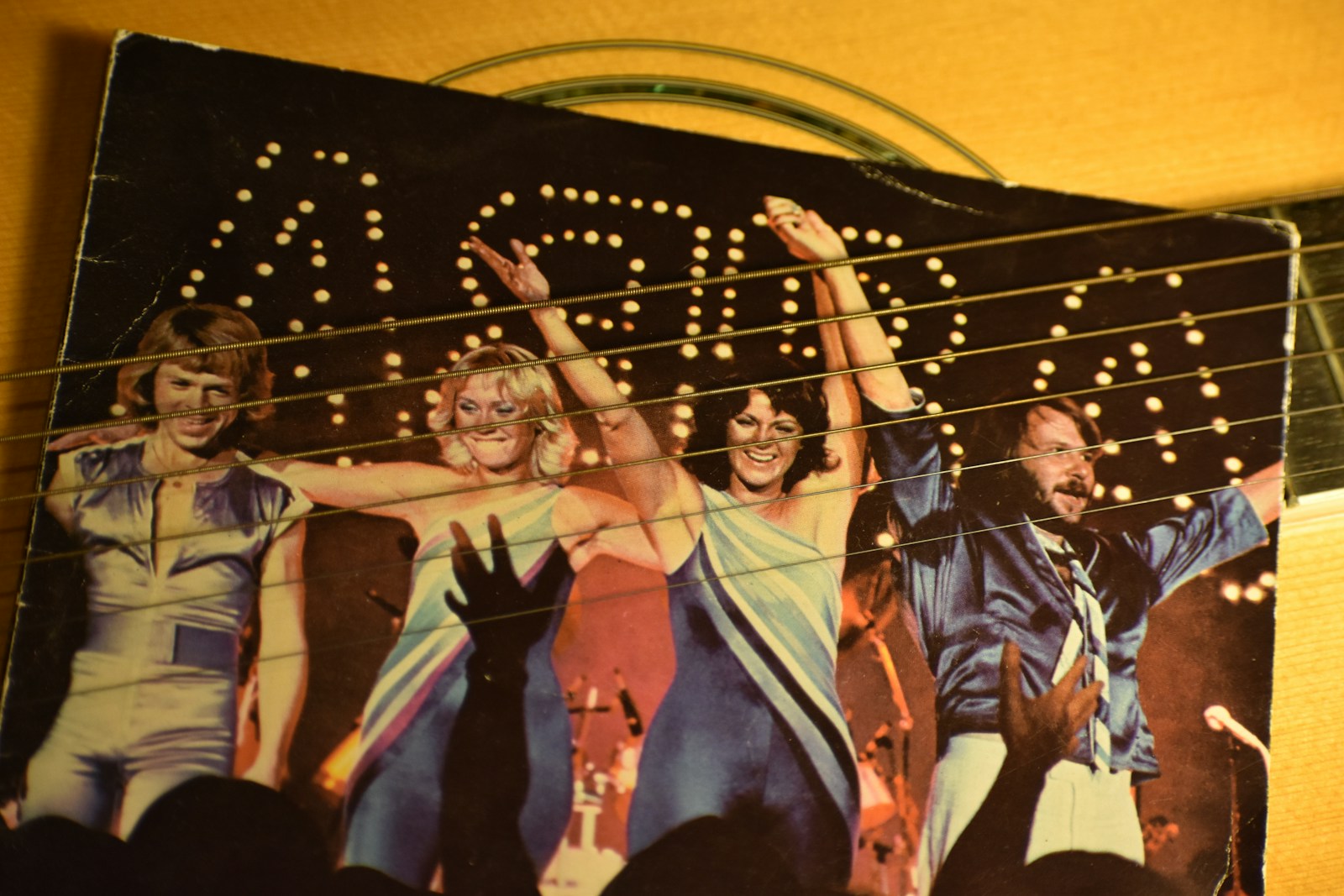
The right ’70s song does more than trigger nostalgia, it feels like it could drop into a 2025 playlist without missing a beat. These ten tracks still sound fresh in your earbuds, in a vintage Camaro’s tape deck, or over a wedding DJ’s speakers, proving how durable the decade’s songwriting and production really are.
1) Bohemian Rhapsody – Queen
“Bohemian Rhapsody” remains the rare rock epic that still feels experimental and modern, even after decades of radio play. Its operatic structure, multi-part harmonies, and abrupt tempo shifts keep it lodged near the top of lists of the best 1970s songs, where it is treated as a benchmark for ambitious pop craft. Fans and critics alike still debate every section, from the a cappella opening to the hard-rock middle, which keeps the song culturally alive instead of frozen as a museum piece.
That longevity shows up in other rankings too, where discussions of the 100 greatest songs of 1975 single it out as a pinnacle of studio innovation. The track’s layered guitars and operatic vocals anticipated the genre-blurring approach that now defines streaming-era pop. For you as a listener, it proves that risk-taking arrangements can still become sing-along staples, setting a high bar for any artist trying to make a “timeless” anthem today.
2) Stayin’ Alive – Bee Gees
“Stayin’ Alive” captures the pulse of ’70s nightlife, yet its groove still fits seamlessly into modern dance and fitness playlists. The song’s clipped guitar, falsetto vocals, and instantly recognizable bassline keep it prominent in rundowns of the greatest disco songs of all time, where it is cited as a defining example of the genre’s rhythmic power. That rhythmic precision, paired with its strutting attitude, makes it a go-to reference track for producers chasing a tight, danceable mix.
Beyond the dance floor, “Stayin’ Alive” has become cultural shorthand for resilience, from movie soundtracks to CPR training videos that use its tempo as a guide. Its lyrics about survival in a tough city still resonate with listeners navigating economic and social pressure. When you hear it today, the track connects the glitter of ’70s discos to current conversations about perseverance, proving how a seemingly simple dance song can carry lasting emotional weight.
3) Piano Man – Billy Joel
“Piano Man” endures because it feels like a short story set to music, one you can drop into at any age and recognize yourself in the characters. The song consistently ranks high among the best Billy Joel songs, where its harmonica intro and barroom sing-along chorus are treated as essential parts of his legacy. That recognition reflects how its narrative about lonely regulars and a working musician still mirrors the gig economy and late-night service jobs you see today.
Musically, the waltz-time piano and conversational vocal delivery give “Piano Man” a timeless, almost folk-like quality that cuts across genres. You can hear its influence in modern singer-songwriters who blend detailed storytelling with pop hooks. For listeners, the song’s enduring popularity underscores how specific, character-driven writing can outlast production trends, turning a 1970s bar scene into a permanent fixture of popular culture.
4) Imagine – John Lennon
“Imagine” feels strikingly current because its production is so spare, built around piano, gentle vocals, and a subtle rhythm section that would not sound out of place on a contemporary indie-folk record. It appears in discussions of 1960s and 1970s folk songs that sound modern, where its uncluttered arrangement is highlighted as a key reason for its durability. That simplicity lets the melody and message carry the track, rather than tying it to any dated studio trick.
Lyrically, the call to “imagine” a world without borders or divisions continues to surface at vigils, protests, and charity events, giving the song fresh relevance with every new generation. For you, that means “Imagine” functions less as a period piece and more as a recurring soundtrack to global conversations about peace and equity. Its ongoing presence in public life shows how a straightforward ballad can become a shared language for hope.
5) Hotel California – Eagles
“Hotel California” is one of those ’70s tracks that instantly transports you to the era while still sounding like a modern rock blueprint. Its haunting guitar solo and layered acoustic-electric textures keep it prominent in features that spotlight songs that take you straight back to the 1970s, where it is framed as a defining example of the decade’s studio polish. The track’s slow build and twin-guitar finale remain reference points for rock bands chasing atmosphere and technical precision.
Thematically, its story of seduction, excess, and entrapment in a mysterious hotel still resonates in an age of influencer culture and digital addiction. Listeners continue to debate the lyrics as a critique of fame, consumerism, or the music industry itself, which keeps the song in active conversation rather than nostalgic retirement. For modern artists and fans, “Hotel California” demonstrates how a rock single can double as a layered social commentary.
6) How Deep Is Your Love – Bee Gees
“How Deep Is Your Love” shows the softer side of the Bee Gees, and its smooth production has helped it outlast many of its contemporaries. The song is frequently recommended in guides to old-school love songs that still work at weddings, where its gentle groove and falsetto harmonies are praised for fitting seamlessly into modern ceremonies. That ongoing use at milestone events keeps the track emotionally current for couples and guests who may not have grown up with disco.
The arrangement, built on electric piano, understated strings, and a relaxed rhythm section, feels closer to contemporary R&B than to kitschy retro pastiche. Lyrically, its questions about emotional commitment remain universal, making it easy to slot into playlists alongside newer ballads from artists like John Legend or H.E.R. For you, the song illustrates how a carefully crafted love ballad can bridge generations without needing a stylistic overhaul.
7) Jolene – Dolly Parton
“Jolene” has become a touchstone for country, pop, and even indie artists because its core story is so stark and relatable. The track appears prominently in rankings of the 100 best country songs of all time, where Dolly Parton’s pleading vocal and minimalist arrangement are singled out as proof that vulnerability can be powerful. That recognition places a 1970s single alongside newer hits, underscoring how its emotional directness still sets the standard.
The song’s driving acoustic guitar and minor-key melody give it a tension that feels surprisingly modern, which is why it has been covered across genres. Its narrative, in which the narrator begs another woman not to take her partner, flips typical love-song bravado into raw insecurity. For listeners and songwriters, “Jolene” shows how focusing on a single, painful moment can create a timeless narrative that keeps resonating in an era of complex relationships and social media drama.
8) Superstition – Stevie Wonder
“Superstition” still sounds like a masterclass in groove, built around one of the most famous clavinet riffs in popular music. It is regularly highlighted in curated rundowns of the top songs of the 1970s, where its blend of funk, pop, and social commentary is treated as a high point of the decade. That cross-genre appeal has helped it remain a staple on classic-soul stations and contemporary playlists alike.
Beneath the infectious rhythm, the lyrics warn against irrational beliefs and manipulative advice, a theme that still feels pointed in an age of misinformation and viral conspiracy theories. Modern producers continue to study its drum sound and horn stabs, which have been sampled and echoed across hip-hop and R&B. For you, “Superstition” demonstrates how a track can be irresistibly danceable while still pushing listeners to think critically about the world around them.
9) Le Freak – Chic
“Le Freak” distills the joy of disco into a tight, guitar-driven groove that has never really left club culture. Its infectious rhythm and chant-like hook keep it near the top of lists celebrating the 30 greatest disco songs, where it is cited as a prime example of how the genre shaped modern dance music. The interplay between Nile Rodgers’ rhythm guitar and the locked-in bass line still informs how DJs and producers think about building a floor-filling track.
Even as musical fashions shift, “Le Freak” continues to surface in commercials, films, and sample-based tracks, giving younger listeners a direct line back to late-’70s New York. Its call-and-response vocals make it a natural fit for parties and sporting events, where crowd participation is key. For today’s artists and audiences, the song underscores how a simple, well-executed groove can transcend trends and keep people moving across generations.
10) Fire and Rain – James Taylor
“Fire and Rain” endures because it feels like a private confession shared in public, with an intimacy that still matches modern acoustic playlists. The song is frequently cited among folk tracks from the 1960s and 1970s that could pass for recent releases, thanks to its sparse arrangement and close-mic’d vocal. That stripped-back sound aligns neatly with current singer-songwriter trends on platforms like Spotify and Apple Music.
Lyrically, its reflections on loss, mental health, and the passage of time feel especially relevant in an era when open conversations about grief and depression are more common. The song’s gentle fingerpicking and restrained strings leave space for listeners to project their own experiences onto the narrative. For you, “Fire and Rain” highlights how honest, unvarnished songwriting can remain emotionally urgent long after the decade that produced it has faded from view.
More from Vinyl and Velvet:

Leave a Reply