

You’ll step back into a decade where everyday habits felt effortless and rules felt looser, then watch how those same moments would collide with today’s safety standards, tech expectations, and social norms. You’ll see why activities that once seemed normal now feel impossible or oddly risky, and what that says about how much everyday life has changed.
Expect a mix of nostalgia and practical perspective as you move through scenes like smoky restaurants, unsupervised kids roaming the block, and neon wardrobes that dominated city streets. The article traces how technology, public health, and shifting social values rewired what’s acceptable — and why those 1980s snapshots wouldn’t fly in modern times.
Smoking indoors at restaurants and offices
You could walk into a restaurant or office in the ’80s and expect the air to smell of cigarette smoke.
Ashtrays on tables and smoking corners felt normal, and non-smokers had little protection from secondhand smoke.
Today, laws and workplace policies generally ban indoor smoking, so you won’t find smoke-filled dining rooms or colleagues lighting up at their desks.
If you miss that era’s casual smoking culture, remember modern public health rules and smoke-free norms shape most indoor spaces now.
Using payphones for important calls
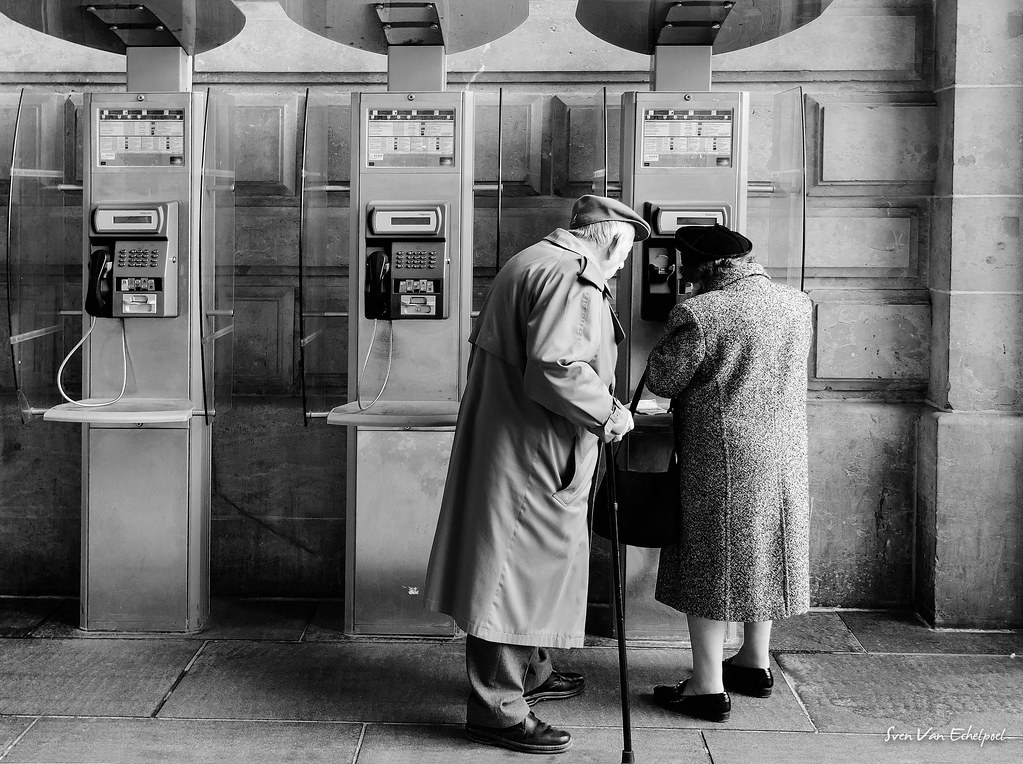
You used to dash into a booth, drop a quarter, and call someone who mattered — quick, direct, no contact list needed.
Payphones forced you to be brief and decisive; long chats weren’t practical when coins were limited.
You might call home from a hotel lobby or a highway rest stop when your car broke down.
Those calls carried urgency and a kind of plain practicality you rarely need now.
Watching fuzzy TV screens and hitting the TV to fix them
You remember squinting at a snowy picture and giving the set a good whack to clear the fuzz. Those cathode-ray tubes and loose connections sometimes snapped back into place, briefly restoring the show.
Today, screens are thin, digital, and fragile, and signal problems usually live in the source or the stream. You’d be more likely to reboot an app or check cables than physically tap the TV.
Kids riding bikes unsupervised around the neighborhood
You remember cruising the block on two wheels, heading to the park or corner store with nothing but a loose plan.
Today, parents worry about traffic, strangers, and social media, so those solo errands feel risky.
Kids back then learned routes, street sense, and how to handle flat tires.
Now you likely set boundaries, pick up a child, or require a phone check-in before they leave.
Listening to music on cassette tapes and mixtapes
You made a mixtape by recording songs one by one, timing gaps and praying no one called during Side A.
Passing that tape to a friend or crush felt personal — it was a message you curated, not an algorithm.
You had to rewind, fast-forward and flip sides to find a favorite track, which meant listening felt more deliberate.
Recording from the radio let you capture live moments, but often with hiss and unexpected DJ chatter.
Going to the video rental store for movie nights
You stroll into a video store and the aisles smell like plastic and possibility.
Your friends argue over which tape to grab while you hunt for hidden cult classics.
You wait in line, flipping through cardboard displays and reading back covers.
Someone always recommends a title you’d never find on a streaming homepage.
Laserdisc parties with friends
You’d haul a stack of heavy LaserDiscs and debate which movie looked best on the big player.
Setting up the player, swapping discs between scenes, and fussing over tracking felt like part of the night.
The format’s size and rarity made those gatherings special; not everyone owned a player.
Today you’d stream instantly, but back then you shared physical discs and patience.
Answering landline phones without caller ID
You never knew who was on the other end, so you learned quick ways to answer: family name, room-specific greetings, or a chipper “hello?”
That uncertainty made every late-night ring tense; you might brace for bad news or a wrong number that turned into a strange conversation.
You also practiced gatekeeping—screening calls for parents, arguing over who got the handset, and memorizing important numbers because the display didn’t do it for you.
Attending school dances without constant adult supervision
You could slip into a gym dance in the ’80s and spend the night with minimal chaperones and few rules.
Students came and went freely, slow danced in corners, and kept most of the evening among peers.
Now schools expect tight supervision, sign-ins, and staff monitoring for safety and liability.
That shift changes how you experience social mixing and the casual freedom older generations remember.
Having neon-colored clothes as everyday fashion
You could step outside in fluorescent pink or electric green and not get a second glance.
Neon in the 80s signaled optimism, pop culture influence, and a willingness to stand out.
Today, safety standards, digital photography, and subtler trends make constant neon less common.
You might still wear neon accents, but full neon outfits as daily wear feel unmistakably retro.
More from Vinyl and Velvet:

Leave a Reply