

You grew up doing things with your hands and instincts that feel foreign to kids today. This piece shows why many everyday skills you mastered in the 80s — from reading analog clocks to changing a flat tire — no longer matter the same way, and what that shift says about how the world has changed.
You’ll see which practical abilities disappeared as technology and habits moved on, and why those skills still matter for understanding how life used to work. Flip through the examples and you’ll get a clear sense of what skills past generations kept in their back pocket and why younger people rarely learn them now.
Reading analog clocks
You learned to read a clock face and convert minute ticks into fractions and angles.
Now kids often tap a phone or glance at a digital display instead, so that spatial, math-related practice is less common.
Knowing analog time still helps you estimate durations quickly and visualize schedules.
But schools increasingly deprioritize it, and many children never get steady practice with clock hands.
Using a rotary phone
You learned to dial by finger and muscle memory, pausing at the finger stop for each number. It took patience; a wrong pull meant starting over.
You managed cords, handsets, and unplugged lines without panic. Waiting through dial tone and listening to clicks taught you to slow down.
Writing with cursive handwriting
You learned cursive in school, and your signature carried personality.
Kids today rarely practice joined letters; typing dominates note-taking and assignments.
Cursive helped develop fine motor control and speed for longhand notes.
You used it for quick notes, signatures, and personal letters — skills that now live mostly in archives.
Teaching cursive can still boost memory and handwriting automaticity.
But if you grew up writing in loops and slants, that tactile skill feels uniquely yours.
Balancing a checkbook
You used to manually track every deposit and withdrawal in a little register, writing checks and marking them off.
Those steps taught you to reconcile a bank statement and spot mistakes fast.
Today your bank app shows transactions instantly and sends alerts.
But knowing how to compare receipts to a statement still helps you catch errors and avoid overdrafts.
Reading paper maps
You learned to fold a paper map without tearing it, and you could find north without a screen.
You traced routes with a finger, estimated distances from the scale, and judged terrain by contour lines.
Those hands-on skills built spatial sense and independence that GPS often hides.
Teach kids a simple map and they’ll practice planning, prediction, and problem-solving — no battery required.
Using a typewriter
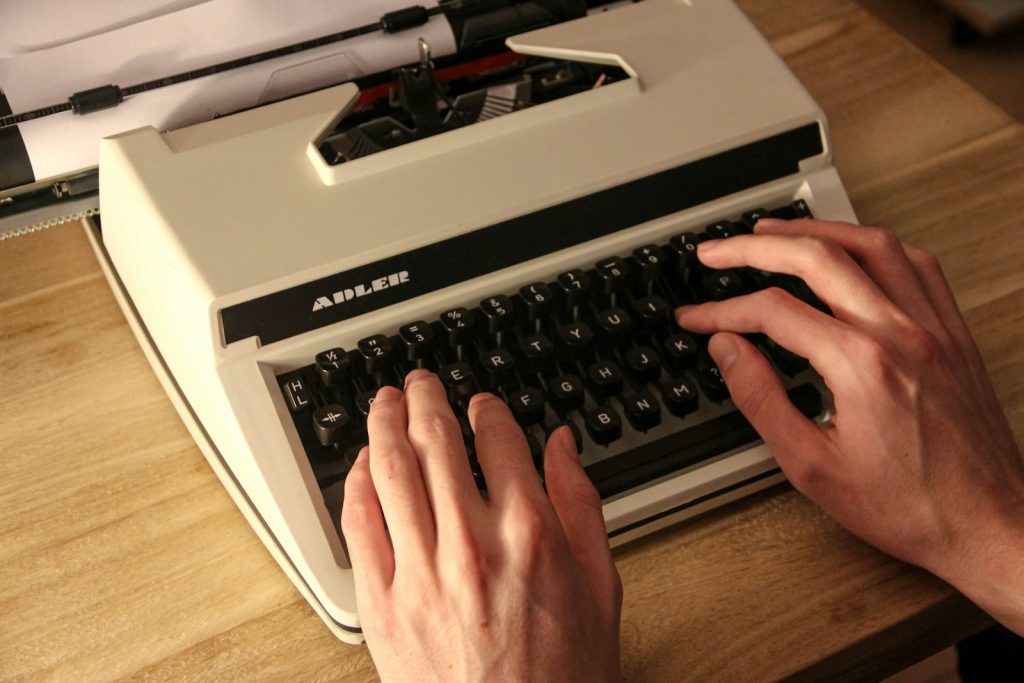
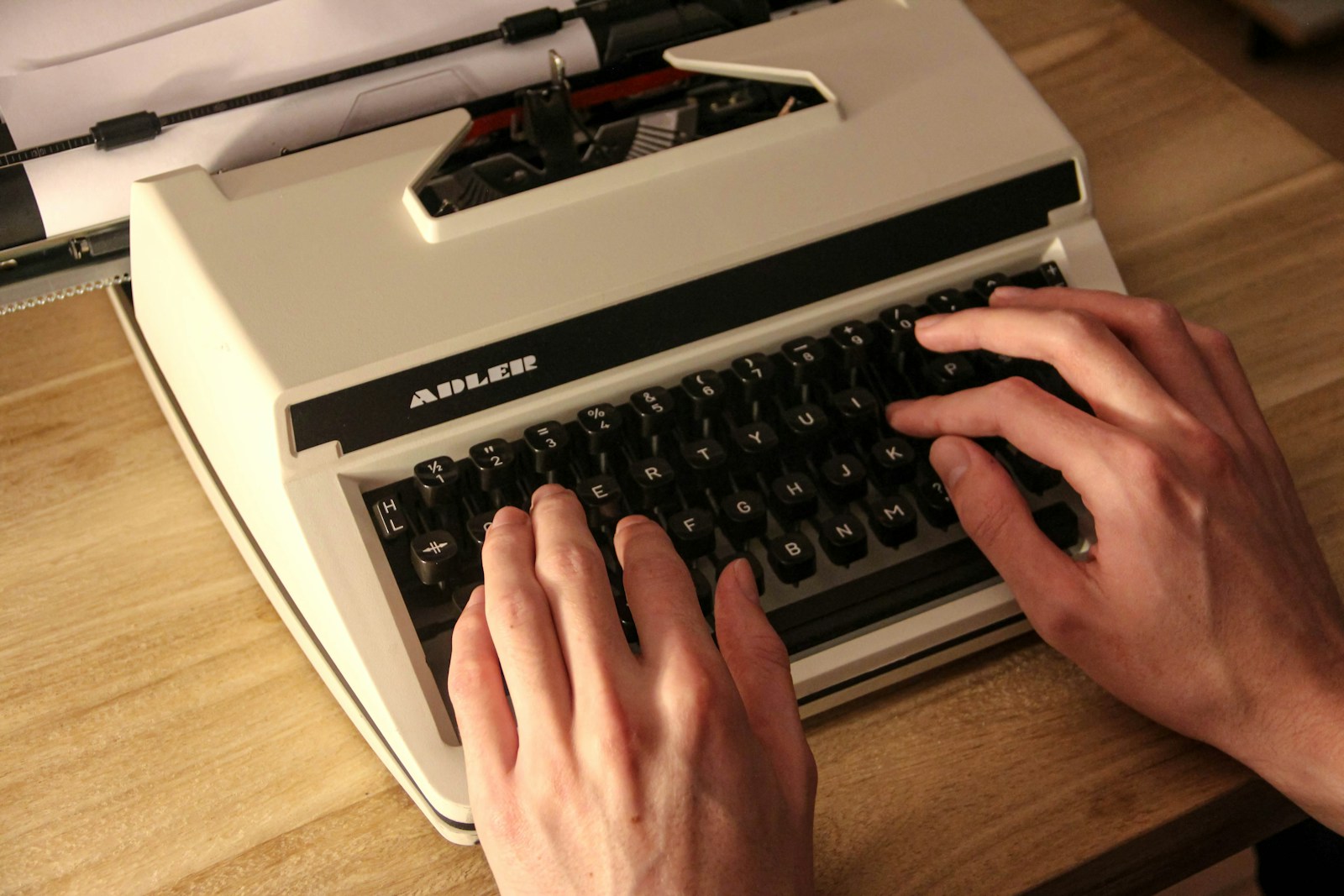
You learned to feed paper straight, align margins, and strike keys with purpose.
Mistakes meant white-out or retyping the whole page, so you developed patience and precision.
You could hear the rhythm of your work — each ding and carriage return marked progress.
Those mechanical sounds taught you to value neatness and think before you typed.
Changing a flat tire
You learned to jack up the car, loosen lug nuts, swap on the spare, and tighten everything back down.
Those hands-on steps taught you self-reliance and basic tool use.
Now many cars have run-flats, roadside assistance, or tire pressure monitors that reduce the need for this skill.
Still, knowing how to change a tire can save you time and money in a pinch.
Operating a VCR
You learned to thread the tape, press play, and rewind without panicking when the picture warped.
Those clunky remotes and blinking 12:00 taught patience and basic troubleshooting—eject, pause, or gently tilt the tape to fix a jam.
You knew which button slowed fast-forward and how to program a VCR clock so your favorite show recorded.
No menus, no streaming—just mechanical logic and a tiny bit of tape-saver superstition.
Cooking from scratch
You learned to make meals with basic ingredients and a few simple tools.
Now, kids often reach for ready-made or microwave options, so they miss learning timing and seasoning.
Cooking from scratch taught you resourcefulness and how to stretch a budget.
You also gained confidence from following recipes and fixing mistakes without app guidance.
Reading a thermometer
You learned to read a mercury or alcohol thermometer by lining up the liquid with the numbered scale.
That skill taught you to estimate between marks and to understand Celsius and Fahrenheit differences.
Today most people check a digital readout, so you rarely need to eyeball a column of liquid.
Still, knowing how traditional thermometers work helps you interpret older readings, science projects, and weather charts.
More from Vinyl and Velvet:

Leave a Reply