

The 1980s did not just change pop culture, they practically invented the idea of a shared global “moment.” From music videos on living room TVs to puzzles in school cafeterias, the decade’s biggest flashes of hype still shape how entertainment works today. Here are 10 pop culture moments that defined the 80s and keep echoing through everything from streaming algorithms to nostalgia quizzes.
1) The Launch of MTV
The launch of MTV on August 1, 1981 turned music into something people watched as much as they listened to. When MTV went live, it felt, as one retrospective put it, like someone flipped a switch and instantly changed how pop culture worked, with videos suddenly driving what teens talked about and bought. Later looks back at MTV’s defining moments consistently treat that first broadcast as ground zero for the video age.
That shift forced artists to think visually, not just sonically, and it rewarded acts who could turn three minutes into a mini-movie. American youth culture in the 1980s, shaped by cable television and rapid media spread, quickly absorbed MTV’s fast-cut style and glossy attitude. The network’s arrival also helped globalize trends, since the same clips of rock, pop, and emerging genres hit millions of homes at once, locking MTV into the DNA of 80s pop culture.
2) Live Aid Concert
The Live Aid concert in 1985 showed how music could mobilize a global audience in real time. Organized as a massive fundraiser for famine relief, it linked stadium shows in London and Philadelphia and beamed performances from artists like Queen and U2 into living rooms worldwide. Lists of music moments that shaped a generation highlight Live Aid as a turning point in how fans saw the power of pop.
Beyond the charity totals, Live Aid changed expectations for what a concert could be. Viewers saw stadium rock scaled up into a global broadcast event, with cameras sweeping over crowds and backstage interviews filling the gaps. That template, mixing activism, celebrity, and live TV spectacle, set the stage for later telethons, benefit shows, and even modern livestreams, proving that 80s pop culture was already thinking in worldwide, all-at-once terms.
3) MTV’s 44-Year Run Begins
When MTV flickered on in 1981, it quietly started a 44-year run that would only end with the network’s shutdown decades later. Retrospectives on MTV’s 44-year legacy trace that entire arc back to its early 80s identity as a 24-hour music video channel. Those first years locked in the idea that videos, VJs, and countdown shows could define what “cool” looked and sounded like.
That long lifespan matters because it shows how durable the 80s blueprint turned out to be. Even as MTV shifted toward reality shows and other formats, the network’s origin story in the 1980s remained its cultural reference point. Bands and solo artists learned to craft visuals with MTV in mind, and the channel’s early success helped normalize the idea that youth culture would be curated by cable, not just radio or print.
4) Michael Jackson’s “Thriller” Release
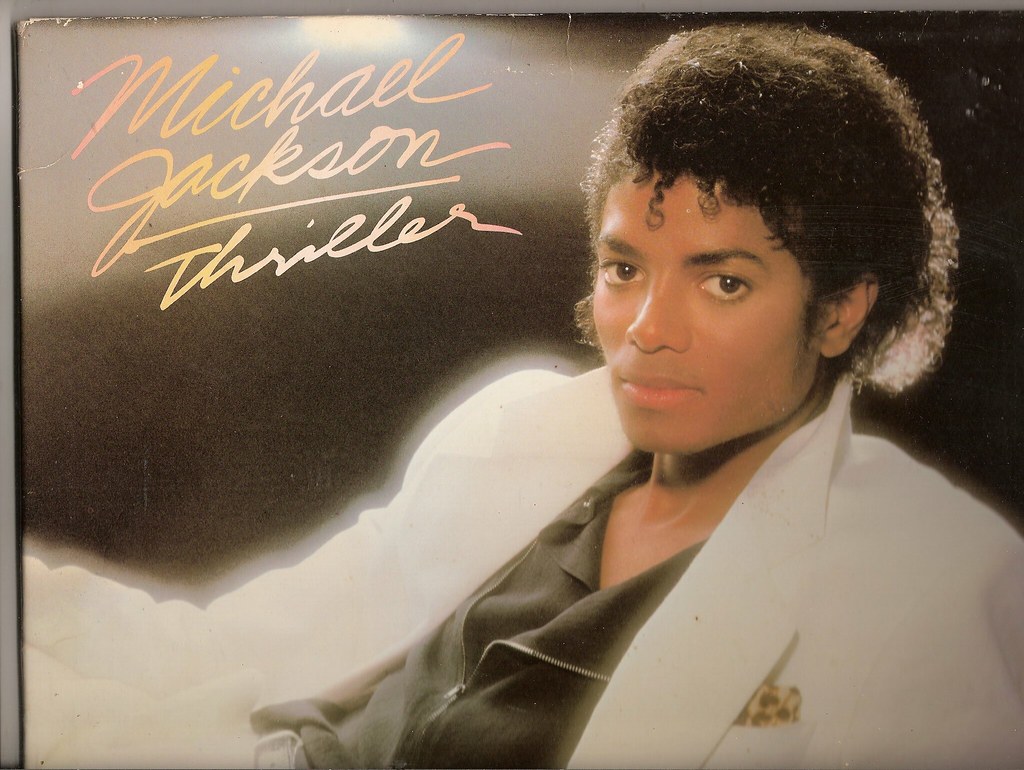
Michael Jackson’s “Thriller” did not just top charts, it rewired expectations for what a pop album and video could do. The album “Thriller” became, as one 80s pop culture overview notes, the best-selling album of all time, while the extended “Thriller” video turned a song into a full horror short. Fans still recall where they were when they first saw Michael Jackson’s Thriller premiere on TV.
Later rankings of essential 80s songs routinely place “Thriller” near the top because it captures the decade’s obsession with spectacle, choreography, and high-concept storytelling. The project also showed how tightly music and fashion could intertwine, with the red jacket and zombie dance instantly copied by fans. In the bigger picture, “Thriller” proved that a single release could dominate radio, television, and conversation at once, a playbook pop stars still chase.
5) Rolling Stone’s Iconic 80s Covers
Rolling Stone’s 80s covers turned magazine racks into pop culture billboards. A standout example is the 1984 Madonna cover, which helped cement her as a lightning rod for debates about sexuality, fame, and female autonomy. Collections of magazine covers from the 80s point to that image as a moment when a single photograph could shift how a star was perceived.
These covers mattered because they froze the decade’s biggest personalities in instantly recognizable poses. In an era before social media, a Rolling Stone cover functioned like a viral post, passed around classrooms and dorm rooms, taped to bedroom walls, and argued over. The visual language of those shoots, from leather jackets to teased hair, helped define what 80s cool looked like and gave fans a shared set of images to obsess over.
6) Madonna’s “Like a Virgin”
Madonna’s “Like a Virgin” turned a catchy pop song into a cultural fault line. Released in 1984, it quickly became one of the tracks that lists of songs that define the 1980s treat as essential, not just for its hook but for its unapologetic attitude. Performances of “Like a Virgin,” especially on television, sparked arguments about taste, morality, and what female pop stars were “allowed” to do onstage.
Commentaries on 80s youth culture note that Madonna, with albums like Like a Virgin, helped shape the role of women in the music industry by leaning into bold self-expression. Her styling, from lace gloves to layered jewelry, filtered straight into malls and high schools. The song’s success showed that provocation could be a strategy, not a career risk, and it opened space for later artists to push boundaries on their own terms.
7) Stranger Things’ 80s Nostalgia Boom
Stranger Things is technically a 2010s show, but its impact is pure 80s. Set in Hawkins and packed with references to 80s movies, games, and music, it helped define what one analysis calls the era of the algorithm, where streaming platforms lean on nostalgia to keep viewers hooked. The show’s success proved that the 80s aesthetic still sells, from synth-heavy soundtracks to BMX bikes.
By reviving songs like Kate Bush’s “Running Up That Hill” for new audiences, Stranger Things turned 80s deep cuts into modern chart hits. Its Hawkins setting, with kids on walkie-talkies and neon-lit malls, gave younger viewers a stylized crash course in the decade’s vibe. For older fans, it validated the idea that the 80s were not just a memory but a reusable toolkit for storytelling, fashion, and marketing.
8) Rubik’s Cube Craze
The Rubik’s Cube turned a simple puzzle into a full-blown 80s obsession. Introduced globally around 1980, it showed up in classrooms, TV shows, and bedroom shelves, becoming one of the decade’s most recognizable objects. Nostalgia quizzes like the ultimate 80s memory test still use the cube as a shorthand for the era’s mix of fun and frustration.
Its impact went beyond toy sales. The Rubik’s Cube helped normalize the idea that “geeky” challenges could be cool, paving the way for later puzzle crazes and speedcubing competitions. It also fit perfectly with the 80s fascination with bright colors and clever gadgets. For many people, mastering the cube became a tiny badge of honor, a personal achievement that tied into the broader culture of self-improvement and competition.
9) Synth-Pop Explosion with Depeche Mode
The rise of synth-pop, with bands like Depeche Mode, rewired what mainstream pop sounded like in the early 80s. Electronic textures that once felt experimental suddenly dominated radio, as affordable synthesizers and drum machines reshaped production. Overviews of iconic 80s moments and music histories point to this shift as a key break from 70s rock and disco.
Depeche Mode’s early 80s releases showed how moody lyrics and synthetic beats could still fill arenas, influencing everything from club music to later electronic genres. This sound also synced perfectly with MTV’s futuristic visuals, pairing neon lights and angular fashion with icy keyboard lines. The synth-pop explosion proved that technology itself could be a star, and it nudged pop culture toward the digital, machine-assisted feel that still defines much of today’s music.
10) Prince’s “When Doves Cry”
Prince’s “When Doves Cry” is one of those songs that instantly signals the 80s while still sounding strange and fresh. Released in 1984, it stood out because Prince famously stripped out the bassline, creating a lean, tense track that did not behave like typical radio fare. Modern rankings of defining 80s songs highlight “When Doves Cry” for exactly that experimental edge.
The song’s success showed that mainstream audiences were willing to embrace risk, not just polished formulas. Paired with Prince’s Purple Rain era visuals, it helped cement him as a boundary-pushing auteur who controlled his sound, image, and narrative. In the broader 80s story, “When Doves Cry” stands as proof that innovation could sit at the very center of pop culture, not just on its fringes.
More from Vinyl and Velvet:

Leave a Reply