

Old mixing bowls are no longer just humble kitchen workhorses, they are now headline collectibles that can rival fine art in desirability. As collectors chase the same “old kitchen items” that are driving top-dollar prices, certain bowls stand out for their history, design, and scarcity. If you know which ten to watch for, you can turn a forgotten cupboard staple into one of the most wanted pieces in your collection.
1) Classic Pyrex Mixing Bowl Model
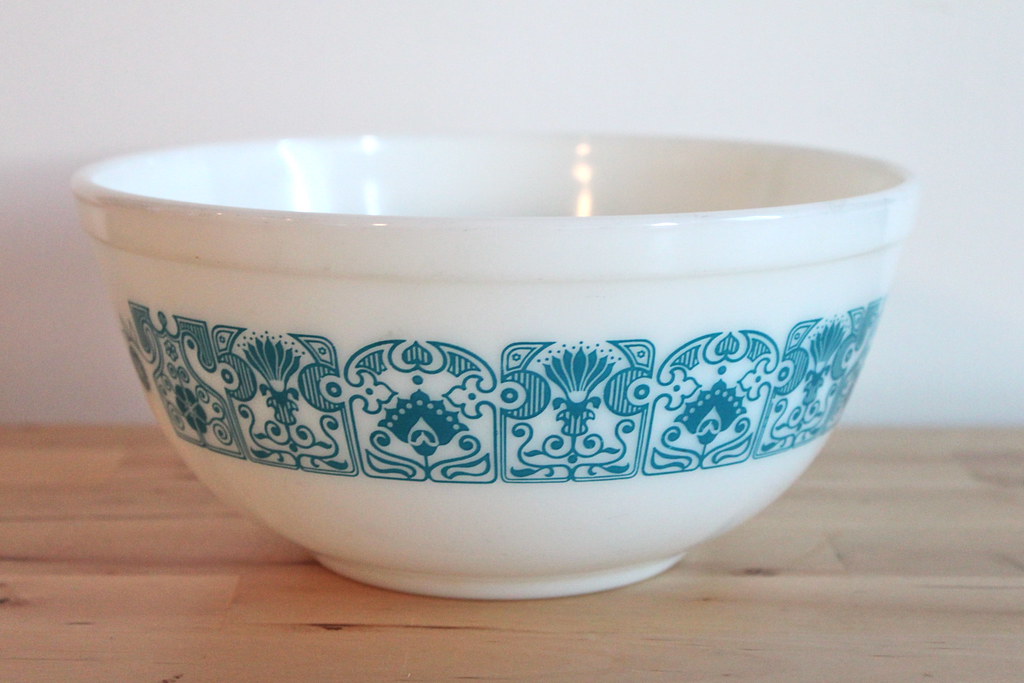
The classic Pyrex Mixing Bowl model is the benchmark for collectible kitchenware, and it is the first thing many buyers look for when they scan estate sales. In reporting on why collectors are paying top dollar for old kitchen items, Pyrex Mixing Bowls are singled out as a must-have category, grouped alongside Jadeite Dishes and Vintage Cast Iron Skillets. That placement confirms that a well-preserved Pyrex bowl is not just nostalgic, it is a recognized asset in the broader vintage market.
For you as a collector, that status has clear stakes. When a specific Pyrex model is named in the same breath as other “Old Kitchen Items” that command strong prices, it signals that demand is both deep and sustained. You can use that insight to justify paying more for a pristine example, especially if the color and condition photograph well for resale. It also means that documenting pattern names and sizes becomes crucial, because small differences can separate a common bowl from a truly coveted one.
2) Early Pyrex Nesting Mixing Bowl Pattern
An early Pyrex nesting mixing bowl pattern is another target you should prioritize, especially if you find a complete stack. Specialist guidance on selling vintage Pyrex notes that “other than the early nesting mixing bowls, nearly every piece of Pyrex ever produced” is relatively straightforward to present, which implicitly sets those early sets apart as a distinct category. That same advice stresses that you should always show these bowls in natural light so viewers can see how they display, underscoring how much collectors scrutinize color and clarity.
Because those early nesting sets are treated as an exception, they tend to attract more serious buyers and more detailed questions about size, completeness, and wear. If you are hunting, that means a mismatched stack is still worth attention, but a full four-piece or larger set can justify a premium. For sellers, the emphasis on natural light and display quality is a reminder that condition is not just about chips, it is about how the glass glows on a shelf, which directly affects perceived value.
3) Jadeite Maker’s Iconic Mixing Bowl Line
A Jadeite maker’s iconic mixing bowl line has become a staple of vintage kitchen wish lists, and it often appears right alongside Pyrex in collector roundups. When old kitchenware is ranked by desirability, Jadeite Dishes are highlighted as a key category, which signals that the same opaque green glass used for plates and mugs also drives demand for mixing bowls. That recognition effectively validates Jadeite bowls as a parallel track for collectors who already understand Pyrex pricing.
For you, the implication is that a Jadeite bowl from a well-known maker can anchor a collection or serve as a high-value trade piece. Because Jadeite is visually distinctive, it photographs strongly in online listings and stands out immediately on a flea-market table. That visibility, combined with its inclusion among top “Old Kitchen Items,” means competition can be intense, so you benefit from learning mold marks, typical sizes, and common reproductions before you buy.
4) Colorful Vintage Mixing Bowl Design Variant
A colorful vintage mixing bowl design variant, especially one with bold midcentury hues, taps directly into the nostalgia that drives much of today’s collecting. When guides ask whether that old mixer or baking dish tucked away in your kitchen has value, they are really pointing you toward pieces whose color and form instantly read as “vintage.” One such guide frames the question with a simple hook, asking if you have ever wondered whether that old gear is worth more than sentimental value, using the single word Ever to pull you into a list of vintage kitchen items every collector wants.
That framing matters because it shows how color-driven designs are marketed to both new and seasoned collectors as potential surprise windfalls. If a particular bowl variant appears in those conversations, it benefits from a halo effect, where casual readers suddenly start hunting for the same pattern. For you, that means a bright, photogenic bowl with a recognizable design can appreciate faster than a plain utilitarian piece, especially if it matches other popular kitchen colors from the same era.
5) Wartime-Era Mixing Bowl Series
A wartime-era mixing bowl series appeals to collectors who care as much about social history as they do about aesthetics. During major conflicts, manufacturers often had to adjust materials, glazes, or production methods in response to shortages and government priorities. When modern reporting groups “Old Kitchen Items” into a single conversation about value, it implicitly includes these constrained-production pieces, which were shaped by the same economic pressures that affected cast iron, enamelware, and other staples.
For you, the key is understanding that wartime bowls can be scarce not because they were luxury goods, but because factories were focused on durability and function rather than decorative variety. That scarcity, combined with a direct link to a specific historical period, gives these bowls narrative weight. Collectors who specialize in home-front artifacts often pay a premium for items that show clear signs of wartime adaptation, such as simplified shapes or muted finishes, because they tell a story that newer reproductions cannot match.
6) Midcentury Nesting Mixing Bowl Set Type
A midcentury nesting mixing bowl set type is one of the most practical yet visually satisfying things you can add to your shelves. The appeal lies in how the bowls stack, creating a sculptural silhouette that also saves space. Expert advice on Pyrex emphasizes that early nesting sets deserve special handling and that nearly every other piece is easier to present, which hints at how much collectors value the engineering and aesthetics of a well-designed nest.
For collectors, that means a complete nesting set often commands more attention than individual bowls, even if the single pieces are rare. The functional design, where each size serves a different kitchen task, makes these sets easy to justify as everyday tools while they quietly gain value. If you are buying, check that the sizes match known configurations and that the rims still nest smoothly, because gaps or wobble can signal damage or mismatched replacements that reduce desirability.
7) Decorated Mixing Bowl Motif
A decorated mixing bowl motif, whether floral, geometric, or folk-inspired, can transform a simple vessel into a conversation piece. Collectors often gravitate toward motifs that echo broader design movements, such as midcentury modern or farmhouse, because they integrate seamlessly into contemporary interiors. When vintage kitchenware lists highlight items every collector wants, they are usually pointing to pieces where decoration does more than just look pretty, it signals a specific era and lifestyle.
For you, the stakes are clear, a well-documented motif with recognizable imagery can be the difference between a bowl that sits unsold and one that sparks bidding wars. Paying attention to how motifs repeat across product lines, from bowls to casseroles, helps you identify complete visual stories that appeal to decorators as well as collectors. That cross-category appeal often translates into stronger prices and faster sales, especially when you can attribute the design to a known artist or studio.
8) Innovative Material Mixing Bowl
An innovative material mixing bowl, such as one that introduced new heat resistance or durability, represents the technological side of kitchen collecting. Glass and ceramic makers have long experimented with formulas that could withstand higher temperatures or sudden changes from oven to table. When modern guides single out Pyrex alongside other durable “Old Kitchen Items,” they are acknowledging that material science is a major reason these pieces survived long enough to become collectible.
For collectors, that durability has a double edge. On one hand, it means more examples survived, which can keep prices accessible. On the other, bowls that pushed the limits of technology, such as early heatproof glass or reinforced stoneware, often have subtle differences that specialists prize. Learning to recognize those cues, from weight to translucence, lets you separate ordinary kitchenware from the innovative pieces that mark turning points in domestic design.
9) Limited Edition Mixing Bowl Release
A limited edition mixing bowl release is tailor-made for collectors who chase scarcity and clear provenance. These bowls are often tied to anniversaries, fairs, or collaborations, and they typically feature special colors, logos, or packaging that set them apart from standard lines. When reporting groups together the old kitchen items that command top dollar, it is usually the limited or short-run pieces within each category that rise to the top of auction results.
For you, the advantage of a limited edition is that its story is easy to tell, you can point to a specific event or promotion that explains why the bowl exists. That narrative, combined with known production limits, helps justify higher asking prices and encourages buyers to act quickly. If you encounter one in the wild, check for original boxes, inserts, or paperwork, since complete sets with documentation tend to appreciate faster than loose pieces.
10) Restored Vintage Mixing Bowl Example
A restored vintage mixing bowl example shows how far collectors are willing to go to preserve the past, and it highlights the growing market for professionally refreshed pieces. As more people realize that their old mixer or baking dishes might be worth more than sentimental value, interest in restoration techniques has grown alongside demand. Guides that ask whether your old kitchenware could be valuable are indirectly encouraging owners to clean, repair, and stabilize bowls rather than discard them.
For you, the key question is how restoration affects price. Light cleaning and careful removal of grime can dramatically improve display value without hurting collectability, especially when you follow methods recommended by preservation-minded experts. More invasive work, such as repainting or heavy sanding, can stabilize a favorite family piece but may reduce its appeal to purists. Understanding that balance helps you decide when to restore, when to conserve, and when to leave a bowl’s patina untouched as proof of its long life in the kitchen.

Leave a Reply