

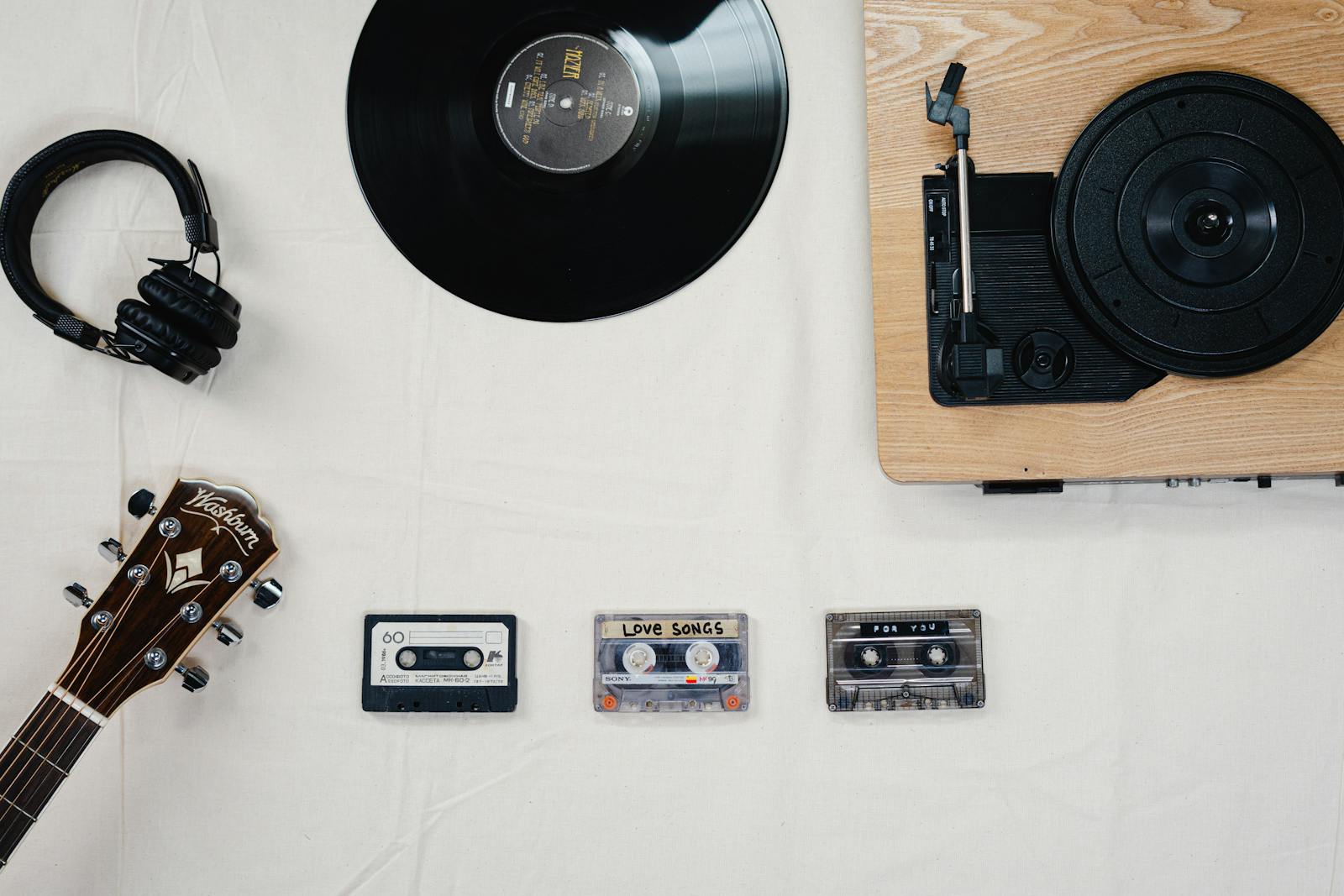
You grew up in a world that ran on fewer screens and more streetlights, where everyday freedoms and oddball pastimes felt normal. You’ll recognize a mix of surprising freedoms, risky toys, and low-tech entertainment that would puzzle kids raised on helmets, smartphones, and streaming.
Keep going and you’ll see how things like unsupervised outdoor play, chemistry sets with real reagents, payphone prank calls, and collecting baseball cards shaped whole afternoons in ways that feel almost foreign today.
Playing outside until streetlights came on with no adult supervision
You left the house after breakfast and didn’t come back until the streetlights clicked on. Neighbors watched from porches, not phones, and that loose supervision felt normal.
You learned rules by doing — negotiating games, settling fights, finding your way home. Kids today might find that freedom unsettling, but it taught you independence and practical problem-solving.
Riding bikes without wearing helmets
You probably picture cruising the block with the wind in your face and no helmet in sight. Parents rarely owned hard-shell helmets, and laws or loud safety campaigns were mostly absent.
You learned routes by memory and checked the streetlight to know when to head home. Today that kind of unsupervised, helmet-free riding often seems unthinkable to parents and kids alike.
Using lawn darts as toys
You remember grabbing heavy, metal-tipped darts and tossing them across the yard like it was no big deal. Today those same throws would alarm any parent — the darts could pierce ground or worse.
Kids now grow up with foam and safety rules, but you played games that mixed skill with real risk. If you tried that with today’s safety standards, officials would quickly step in.
Playing with chemistry sets containing real chemicals
You probably handled glass beakers, alcohol lamps, and packets labeled with real chemical names. Parents treated the kits as educational tools, not toys to be banned.
You learned by doing and sometimes made smoke, smells, or minor explosions. It taught curiosity and basic lab skills, but modern kits remove hazardous reagents for safety.
Walking or biking to school alone
You probably left the house with your backpack and a snack, then met friends at the corner.
No parent drop-offs, no school bus for short distances — you learned routes and shortcuts fast.
You handled small problems yourself, like flat tires or a missed bell.
That independence feels normal to you, but kids today often get driven or escorted for even short trips.
Making prank calls with payphones
You used to walk to a payphone, drop in a coin, and call a random number just for a laugh.
No caller ID meant the person on the other end never knew it was you, which made pranks feel safer and more daring.
You might have whispered a silly voice or asked if someone’s refrigerator was running.
The whole thing relied on timing, guts, and getting home before your parents noticed you were gone.
Listening to vinyl records and cassette tapes
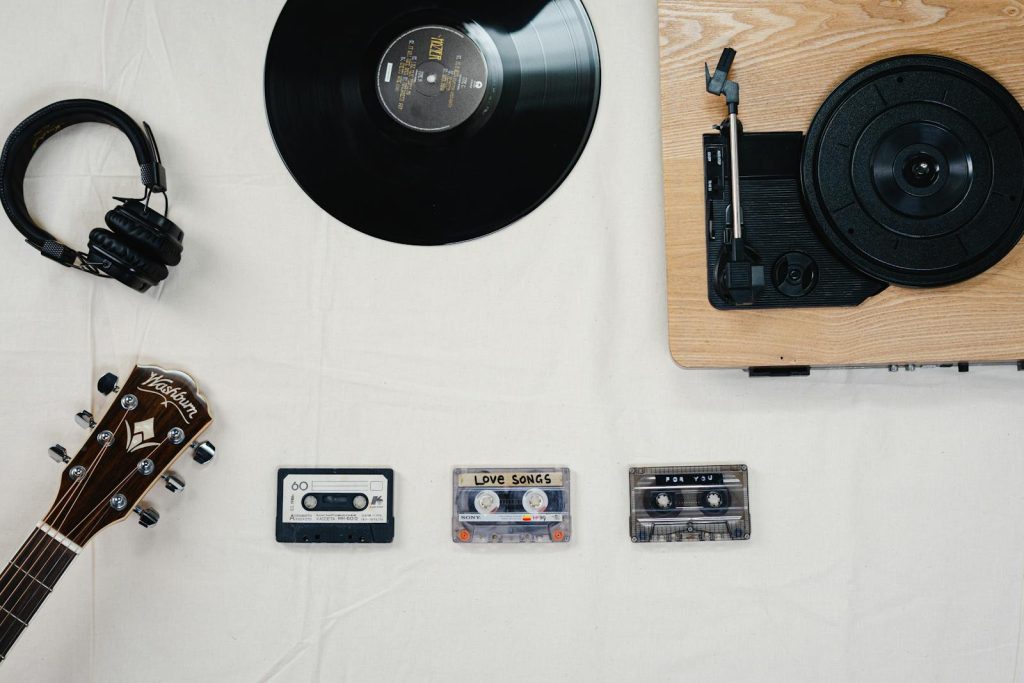
You had to handle records and tapes with care to avoid scratches and warped sound. Dropping the needle or a dented cassette could ruin a favorite song.
Making a mixtape meant recording in real time, listening closely to stop and start at the right moments. You learned patience and gained a small collection of handmade playlists.
Playing music was a tactile ritual: flipping a vinyl side, rewinding a tape with a pencil, and waiting for the next track to arrive. Kids today might find that oddly charming and strangely slow.
Watching Saturday morning cartoons without streaming
You woke up early, fixed a bowl of cereal, and tuned the TV to catch a limited block of cartoons at a set time. There was no pause, rewind, or endless choice—if you missed an episode, you missed it until it aired again.
You shared that ritual with neighbors and classmates; everyone watched the same lineup. Commercials, jingles, and the TV schedule shaped what you talked about Monday morning.
Calling friends on rotary or push-button telephones
You waited by a single household phone and hoped it wasn’t in use. Dialing a rotary meant turning a wheel for each number; push-button sped that up but still lacked caller ID.
You couldn’t see who’s calling, so you answered on instinct and voice alone. Calls were often short and planned—long chats tied up the line and bothered others.
Collecting and trading baseball cards as a popular hobby
You probably remember swapping cards at recess and checking the exact shine of a rookie. Kids today mostly trade virtual items, so the tactile ritual of sorting, sleeve-ing, and bartering feels foreign.
You learned player stats, patience, and the thrill of a rare find without an app. Passing down shoeboxes of cards used to link generations in a simple, tangible way.
More from Vinyl and Velvet:

Leave a Reply