

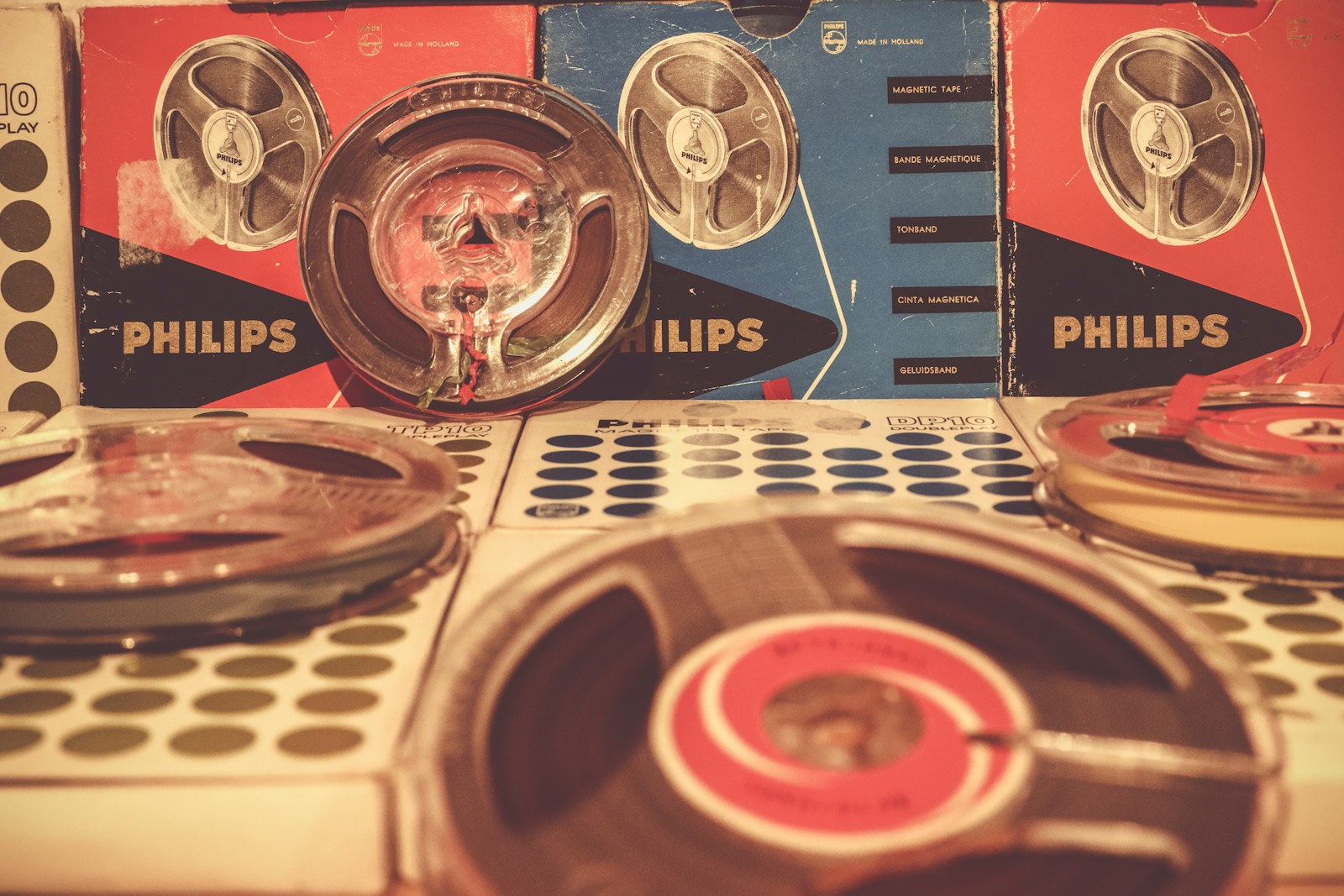
From pastel kitchens to chrome-clad appliances, the 1950s left behind objects that now rank among the most coveted retro collectibles. If you love mid-century style, certain everyday items from that decade have shifted from ordinary household tools to high-value trophies. Here are 10 specific pieces from the ’50s that serious collectors chase, both for their design and for the thousands of dollars they can command today.
1) Pyrex Casserole Dishes
Pyrex casserole dishes from the 1950s sit at the top of many retro wish lists because complete sets in rare patterns can be worth thousands. Guides to high-value kitchenware point out that certain colorways and promotional designs, especially those sold briefly in supermarkets, now sell for far more than their original prices. Collectors look for intact lids, crisp graphics, and minimal utensil marks, since condition dramatically affects value.
For you as a buyer or seller, the stakes are clear: a dish you treat as everyday bakeware might actually be a major asset. Tracking pattern names, production years, and original nesting sets helps you separate common pieces from investment-grade examples. As more people rediscover mid-century cooking culture, demand for these casseroles keeps rising, especially among collectors who want to recreate a full 1950s kitchen.
2) Bakelite Telephones
Bakelite telephones, especially rotary desk models, capture the sculpted curves and solid heft that define mid-century technology. Price guides to valuable household items highlight how early plastic phones in bold colors can bring impressive sums when they retain original cords and dials. Collectors favor models with clear manufacturer markings and matching handsets, since swapped parts can cut into resale value.
If you are hunting for a standout display piece, these phones offer both design and function, because many can still be wired to work on modern landlines. Their rising prices also signal a broader trend: analog communication devices are shifting from obsolete hardware to sculptural decor. For sellers cleaning out attics, recognizing Bakelite rather than later plastics can mean the difference between a yard-sale price and a serious collector negotiation.
3) 1950s Comic Books
Comic books from the 1950s rank among the most aggressively pursued collectibles from the decade, especially first issues and early appearances of major characters. Lists of valuable 1950s collectibles emphasize that high-grade copies with bright covers and tight spines can sell for thousands, particularly when professionally graded. Superhero titles share the spotlight with horror, science fiction, and romance series that captured Cold War anxieties and teenage culture.
For you as a collector, the key stakes involve preservation and authenticity. Even small flaws like spine ticks, tape repairs, or brittle pages can slash market value, so proper storage in archival bags and boards is essential. As streaming adaptations keep mining mid-century storylines, demand for original issues continues to grow, turning long-forgotten stacks in basements into potential windfalls.
4) Vintage Lunch Boxes
Vintage lunch boxes from the 1950s, especially metal ones decorated with television and cartoon characters, have evolved into a core category of retro collecting. Overviews of mid-century collectibles note that early character boxes can command strong prices when the graphics remain vivid and the matching thermos is intact. A separate guide to vintage lunch boxes explains that “You now had a lunch box that needed to be changed every year,” turning these pieces into annual snapshots of pop culture.
That constant turnover is exactly why surviving examples are so desirable today. Kids dented, scratched, and discarded them, so clean boxes feel like time capsules. Video tours of large lunch box collections describe them as “Vintage” and “Little artifacts from our past,” underscoring how nostalgia drives prices. For you, that means even a scuffed box in the garage might be worth a closer look before it hits the donation pile.
5) Atomic Age Clocks
Atomic Age clocks, with starburst, boomerang, and satellite motifs, distill the 1950s fascination with space and nuclear imagery into functional art. Lists of 1950s valuables single out these clocks for their sculptural brass rays and colorful geometric faces, which now anchor many mid-century modern interiors. Collectors pay premiums for original finishes, intact hands, and working mechanical or early electric movements.
For decorators and investors alike, these clocks carry stakes beyond simple timekeeping. They instantly signal period authenticity in a room, which is why interior designers compete with private collectors for standout examples. As reproduction starburst clocks flood the market, your ability to distinguish original 1950s construction from modern copies becomes crucial to protecting both your budget and your collection’s credibility.
6) Chrome Toasters
Chrome toasters from the 1950s combine streamlined Art Deco influences with the optimism of postwar appliance design. Guides to valuable kitchen appliances highlight how early pop-up models with heavy chrome bodies and distinctive levers can reach high prices when they remain fully functional. Collectors look for original cords, crumb trays, and manufacturer badges, since replacements can signal hard use or unsafe wiring.
For you, the appeal lies in both aesthetics and engineering. These toasters were built to be repaired, not discarded, which makes them attractive to buyers who value sustainability alongside style. As retro-themed kitchens gain popularity, demand for authentic mid-century appliances grows, pushing prices higher and encouraging restorers to specialize in bringing these gleaming machines back to life.
7) Fiesta Dinnerware
Fiesta dinnerware, with its saturated glazes and stackable forms, remains one of the most recognizable tableware lines from the mid-century era. References to high-value dinner sets point out that complete place settings in discontinued colors can be worth thousands, especially when cups, saucers, and serving pieces all match. Collectors pay close attention to backstamps and glaze variations to distinguish 1950s production from later reissues.
If you are assembling a set, the stakes revolve around completeness and color. Rarer hues can transform an ordinary cupboard into a serious investment, but chips, cracks, or crazing quickly erode value. As more people mix vintage Fiesta into contemporary tablescapes, competition for pristine mid-century pieces intensifies, rewarding those who learn to spot authentic period glazes at estate sales and auctions.
8) Donald Duck Memorabilia
Donald Duck memorabilia from the 1950s, including figurines, comics, and household items, has a devoted following that treats the character as a collecting universe of his own. Profiles of dedicated fans describe how Dennis Jones scours the area for all things Donald Duck, from vintage toys to rare ephemera. His approach shows how focused collecting on a single character can uncover overlooked items in antique malls and local sales.
For you, Donald Duck pieces illustrate how character-driven nostalgia can rival broader categories like general Disneyana. Items tied to 1950s cartoons and merchandising campaigns often carry extra weight because they reflect the character’s rise in global popularity. As collectors like Dennis Jones keep hunting, competition for early Donald Duck items increases, raising prices and encouraging careful authentication of marks, packaging, and production dates.
9) Milk Glass Vases
Milk glass vases from the 1950s, with their opaque white bodies and pressed patterns, offer a quieter kind of retro appeal that still commands attention among collectors. Lists of valuable 1950s decor note that certain shapes and maker marks can lift these vases above everyday thrift-store finds. Collectors appreciate the subtle opalescence that appears in strong light, as well as motifs like hobnail, quilted diamonds, and floral embossing.
For decorators, the stakes involve balancing affordability with authenticity. While some milk glass remains relatively accessible, rarer vases can appreciate steadily as more people seek cohesive white-on-white displays. Learning to read mold seams, base markings, and weight helps you separate mid-century production from later reproductions, ensuring that your shelves hold genuine 1950s history rather than generic lookalikes.
10) Sunbeam Mixmasters
Sunbeam Mixmasters from the 1950s stand out as icons of post-war kitchen innovation, pairing powerful motors with sleek, streamlined housings. Price guides to collectible stand mixers explain that fully restored units with original bowls, beaters, and instruction booklets can reach impressive prices. Collectors favor models in classic white or pastel finishes that match other mid-century appliances.
For you, the Mixmaster represents both a functional tool and a design statement. Restored examples can still handle daily baking, yet they also serve as centerpieces on open countertops. As interest in home baking surges alongside retro aesthetics, demand for authentic 1950s mixers grows, encouraging specialized restorers and pushing owners to think twice before discarding an old machine that might be worth far more than its replacement cost.

Leave a Reply