

You grew up in a world where small hassles shaped daily routines, and you still bristle at how many conveniences now feel normal. This article shows how everyday tasks— from getting a quick meal to grabbing a last-minute item—used to take extra time, effort, or planning, and why those routines mattered.
You’ll see how ordinary chores and errands once required more patience, creativity, and coordination, making today’s instant options feel almost magical. Expect stories about slow-dial phones, cord tangles, limited TV choices, strict store policies, and the rhythms of deliveries and shopping that framed whole weeks.
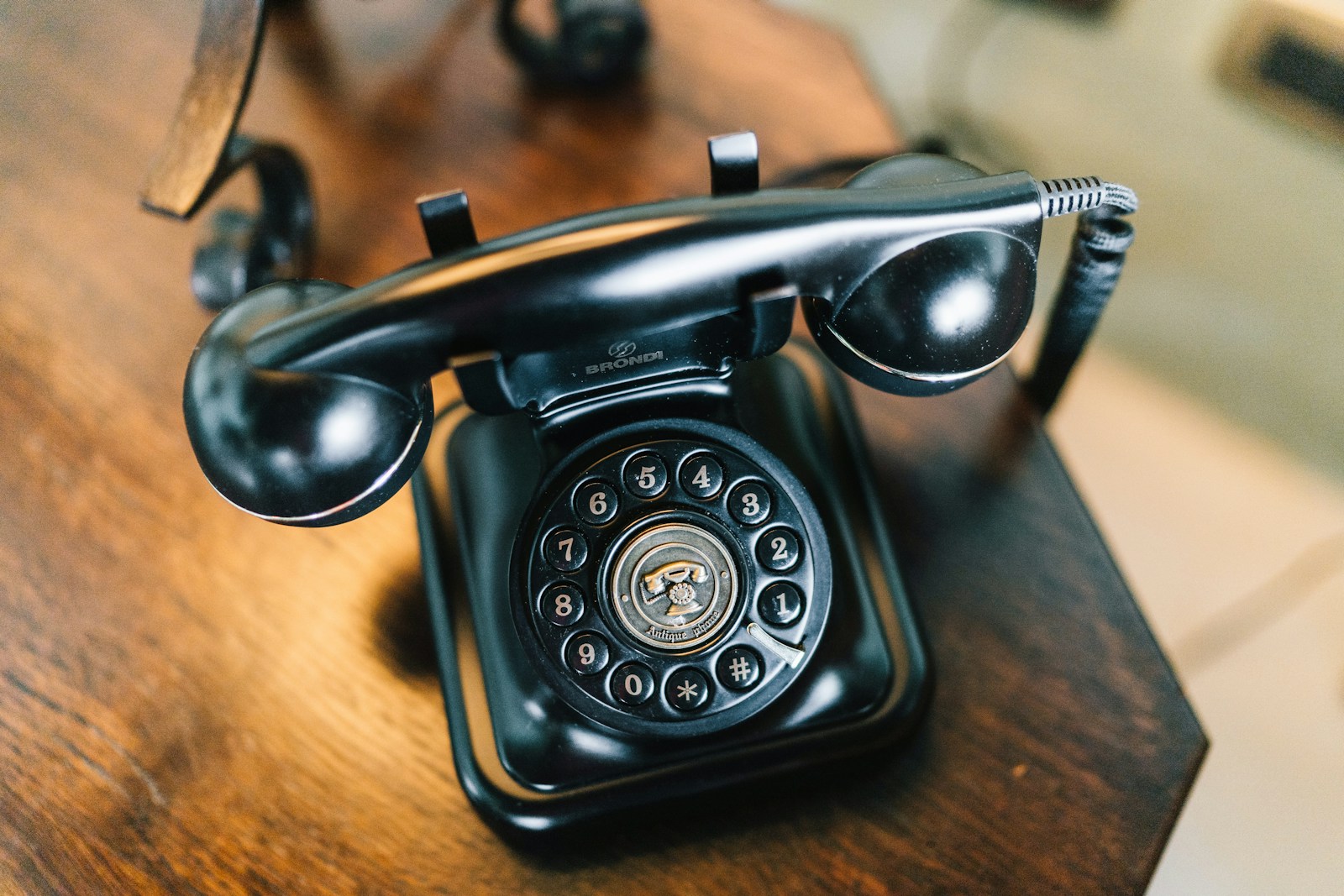
Rotary phones meant dialing took forever
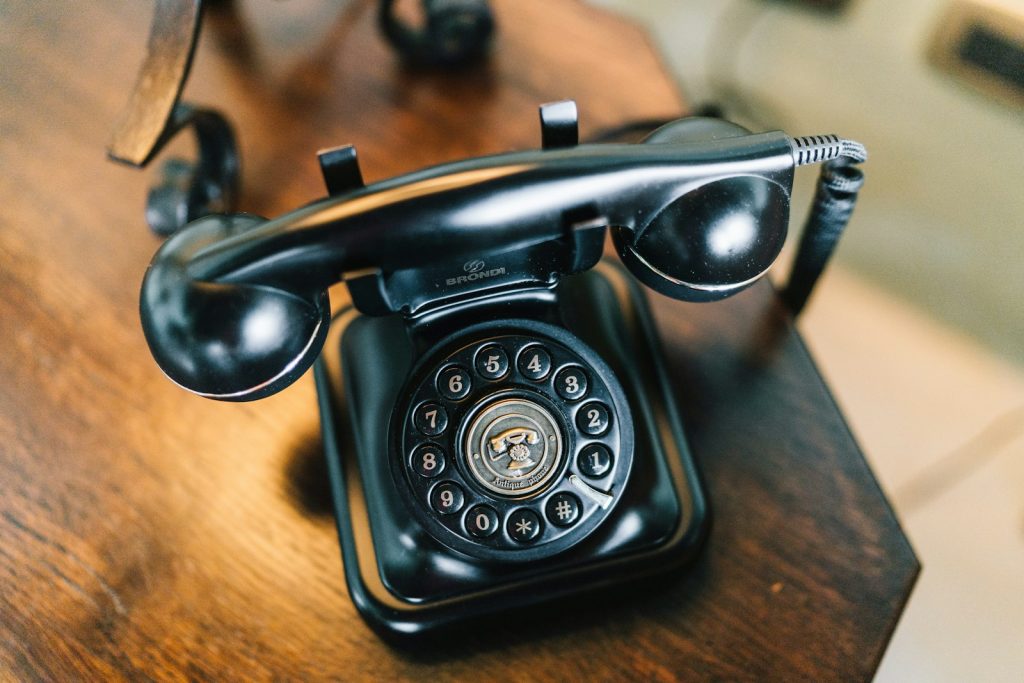
You had to rotate the dial for each digit, one finger at a time. Mistakes forced you to start over, so patience mattered.
The dial sent clicks that the exchange translated into pulses, so the whole process felt slow. Long numbers stretched the wait, and it added friction to quick chats.
If someone picked up while you dialed, you lost your place. For everyday plans, that small delay shaped how you communicated.
Tangled cords everywhere from phones to headphones
You kept chargers, headphones, and cords in pockets and bags, and they always found a way to knot up.
A mix of movement, length, and confinement makes strings spontaneously form loops and knots without you doing much.
You learned tricks — wrapping, clips, or dedicated pouches — to avoid the daily untangling ritual.
Even so, a quick reach into a pocket could still deliver a frustrating mess you had to patiently sort.
Limited TV channels with no recording options
You had to plan your evening around the TV schedule because there was no pause or record function.
If you missed a show, that episode was gone unless it got rerun weeks later.
Only a few channels meant fewer choices and more family arguments over what to watch.
You learned to check TV Guide and be in front of the set at the exact start time.
Strict return policies made shopping a pain
You often had to keep receipts forever because stores set short return windows or required proof of purchase.
Trying to return an item could mean waiting in line, filling forms, or accepting store credit instead of a refund.
When popular retailers tightened rules, many customers felt frustrated and sometimes stopped shopping there.
Waiting days for milk and newspaper deliveries
You often planned meals around a delivery schedule, not store hours. If the milkman or paper missed a day, you adjusted your morning routine.
Deliveries arrived on regular routes, but not on demand. You couldn’t tap an app; patience and a spare carton in the fridge kept mornings smooth.
Returns of glass bottles and old newspapers were part of the rhythm. Those small chores kept the system running and the neighborhood connected.
Manual coupon clipping to save every penny
You kept scissors and a stack of Sunday inserts by the kitchen table.
You learned which brands you bought and clipped only those coupons, because time mattered as much as cash.
You stuffed them in envelopes or a fanny-pack pocket before errands.
Sometimes you saved $5–$15 on a trip; sometimes the effort barely paid off, but you did it anyway.
No microwaves for quick meal prep
You learned to plan lunches that hold up without reheating. Cold casseroles, layered salads, and packed sandwiches became your go-tos.
You used the stovetop and oven more, batch-cooking dinners to eat cold or rewarm on a pan. That made weekday prep take longer but also cut waste and pushed you to be creative.
You carried insulated containers or relied on salad jars and pickles to keep things tasty all day. Meal prep felt deliberate, not instant.
Having just one TV caused family fights
You fought for the remote like it decided your evening plans. One set meant one program at a time, so choices turned into arguments over what to watch.
Parents set strict rules about “TV time,” and you learned bargaining fast. Sibling rivalries flared when homework or chores cut into your allotted hour.
Shopping was an event, not a quick click
You planned trips to stores like outings; you didn’t just open an app. Shopping meant travel time, browsing shelves, and talking to salespeople.
You handled returns and exchanges in person, often waiting in line. That slower pace made purchases feel more deliberate and sometimes more satisfying.
No online shopping or same-day delivery
You planned errands like a mini expedition because instant orders didn’t exist.
If a store didn’t have it, you either waited for a restock or made another trip later.
Same-day delivery and curbside pickup weren’t options, so spontaneity cost time.
You learned to accept delays and to keep backups of essentials at home.
More from Vinyl and Velvet:

Leave a Reply