

Life at home in the 1960s moved at a different tempo, shaped by routines that were simple, repetitive and surprisingly resilient. As you navigate a world of constant notifications and on-demand everything, some of those mid‑century habits can offer a practical blueprint for calmer days, stronger relationships and a more grounded sense of comfort at home.
By reviving a handful of everyday practices from that era, you are not chasing nostalgia so much as borrowing proven structures that helped families stay connected, resourceful and present. The details look different in a world of smartphones and streaming, but the underlying principles still work.
1. Slow evenings on the front porch instead of scrolling
One of the most powerful home rituals from the 1960s was the unhurried evening on the porch or stoop, when the day’s work was done and there was nothing left to do but sit, talk and watch the neighborhood settle. You can recreate that by treating the time after dinner as a protected window for low‑key connection, even if your “porch” is a small balcony, a shared courtyard or an open window with a chair pulled beside it. The point is to step outside the glow of your screens and let your body and brain register that the day is winding down.
Psychologists describe how Slow Evenings On The Front Porch once anchored family life, with the simple sequence of Picture the sky changing color after Dinner and the quiet repetition of sitting in the same spot each night. That kind of predictable, low‑stimulation routine signals safety to your nervous system and gives you a built‑in space to talk through the day with whoever shares your home. Even if you live alone, a nightly porch or window ritual can become a cue to decompress, notice your surroundings and let your thoughts wander without the constant pull of apps and alerts.
2. One meaningful daily ritual, not a dozen half‑kept habits
Modern self‑help culture often pushes you to stack endless micro‑habits into your morning and evening, which can leave you feeling like you are failing at self‑improvement before breakfast. In the 1960s, home routines tended to center on a few sturdy anchors, like a set coffee time, a shared meal or a weekly chore block that everyone recognized. You can borrow that structure by choosing a single daily ritual that matters to you and treating it as non‑negotiable, instead of chasing a long checklist you never fully complete.
Therapists point out that when you Protect One Meaningful Ritual, you are doing more than repeating a habit. Rituals, unlike simple routines, carry emotional weight and a sense of identity, whether it is a nightly cup of tea at the kitchen table or a Sunday batch‑cooking session that sets up the week. In the 1960s, those recurring touchpoints helped households feel coherent even when money was tight or schedules were hectic. Adopting the same mindset now, you might decide that a daily walk after dinner or a fixed reading hour before bed is the one practice you defend fiercely, because it reminds you that you are tending a whole self, not just racing through tasks.
3. Family meals as a daily meeting, not a rare event
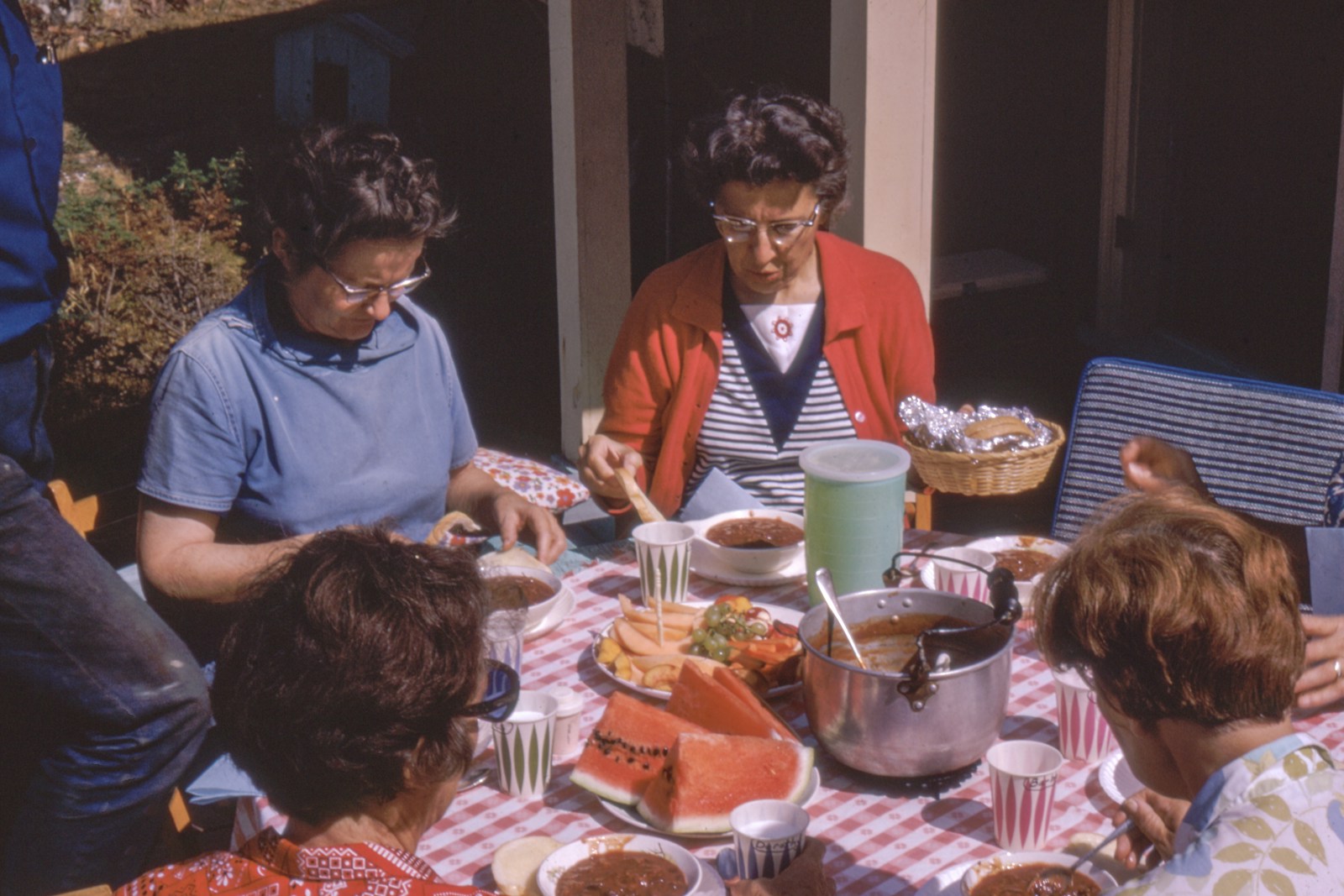
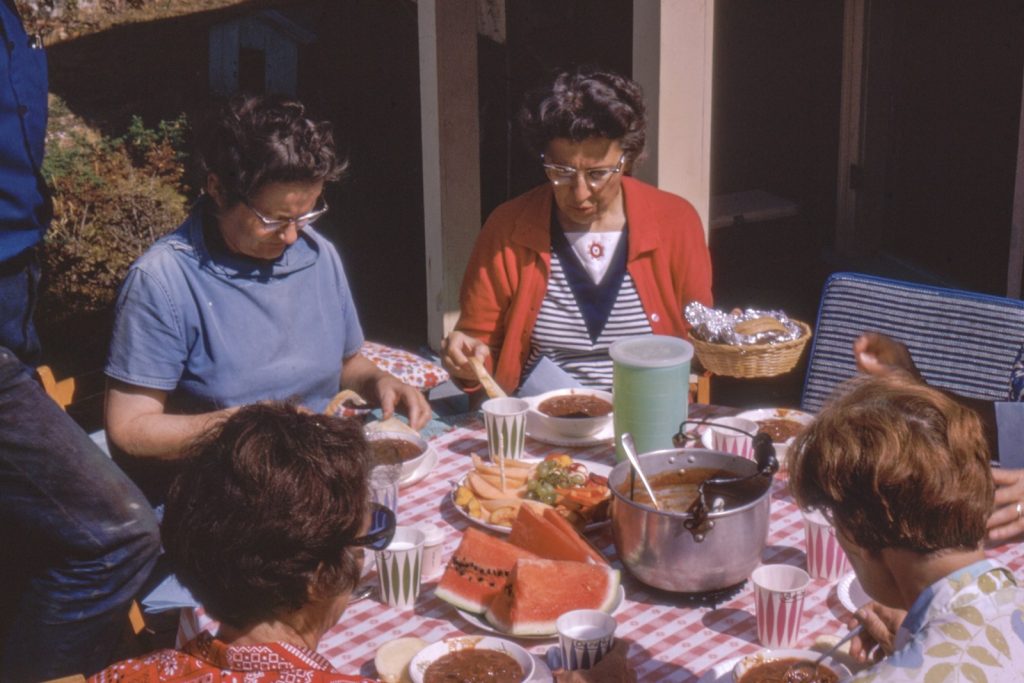
Shared meals were a defining feature of 1960s home life, functioning as a built‑in family meeting where news was exchanged, conflicts were aired and small victories were noticed. Today, it is easy to let everyone drift to separate screens and separate schedules, but reinstating a regular sit‑down meal, even a simple one, can quietly repair frayed connections. You do not need elaborate recipes or perfect table settings, only a consistent expectation that, at a certain time, people gather in the same place and talk.
Older adults who still hold to these patterns describe how the habit of sitting together, even for a quick breakfast, creates a slower, sturdier way of living that younger, tech‑obsessed relatives often overlook. Reporting on old‑school habits people in their 60s and 70s refuse to drop notes that If you’re under 50, you do not have to move to a village or buy a landline to taste that rhythm. You simply have to choose repetition over novelty and accept that the value of a family meal is not perfection; it’s quiet repetition. Over time, that predictability can make your home feel less like a transit hub and more like a place where people actually live together.
4. Privacy as a privilege, not an excuse to disconnect
Homes in the 1960s were often crowded by today’s standards, with siblings sharing bedrooms and relatives cycling through spare couches. That physical closeness meant you learned early that you were not entitled to total solitude, and that living with others required compromise, negotiation and a certain tolerance for noise and interruption. Reframing privacy as something you earn and share, rather than a default right, can change how you handle conflict and space in your own home.
Psychological research on growing up in that era notes that You Learned Privacy Was A Privilege, Not A Right, especially in households where Many siblings shared rooms and the home seemed to function in constant motion. Bringing that mindset forward does not mean ignoring your need for quiet, but it does encourage you to see doors, headphones and personal screens as tools to be used thoughtfully, not walls to hide behind. When you treat privacy as a privilege that everyone in the household deserves in turn, you are more likely to set clear, respectful boundaries and to show up fully when it is time to be together.
5. Cooking once, eating twice with pressure‑cooker efficiency
In the 1960s, home cooks leaned heavily on tools and techniques that stretched effort across multiple meals, from big pots of soup to roasts that turned into sandwiches the next day. The pressure cooker was a quiet workhorse, filling kitchens with steam and the promise that something good was cooking and that it would last. Adopting a similar “cook once, eat twice” approach can cut your weeknight stress and reduce food waste without requiring you to spend all weekend batch cooking.
Archival footage and commentary on pressure cookers describe steam curling from the kitchen like a quiet promise that dinner would not only feed everyone that night but also anchor lunches and leftovers in the days ahead. Translating that into a modern kitchen might mean doubling a pot of beans, roasting two chickens instead of one or using an electric pressure cooker to turn tough cuts into tender meals that reheat well. The habit is less about nostalgia for a specific appliance and more about reclaiming the 1960s logic that if you are already chopping, stirring and cleaning, you might as well build in tomorrow’s comfort while you are at it.
6. Repairing and reusing before you replace
Households in the 1960s were far more likely to mend, patch and repurpose than to throw away and reorder. That mindset was partly economic, but it also reflected a basic respect for materials and effort. You can bring that ethic into your home by defaulting to repair, whether that means sewing a loose button, reglueing a chair leg or learning to descale your own kettle instead of immediately shopping for a new one.
People in their 60s and 70s who still live by these habits often describe a deeper satisfaction in maintaining what they already own, rather than constantly chasing upgrades. Reporting on their routines highlights how this approach contributes to a sense of competence and calm, because you are not at the mercy of every minor breakdown. When you treat your belongings the way a 1960s household might have treated a radio, a toaster or a favorite pair of shoes, you are quietly telling yourself that your environment is worth tending and that you are capable of keeping it running.
7. Phone‑free socializing as the default, not the exception
Social life in the 1960s unfolded largely in person, at kitchen tables, front rooms and backyards, without the constant background hum of texts and notifications. When someone visited, the home shifted around that presence: the television went off, chairs were pulled closer and the conversation had room to stretch. You can recreate that atmosphere by setting explicit phone‑free windows when guests are over or when your household gathers, so attention is not constantly splintered.
Older generations who still favor this style of interaction often report feeling happier than younger relatives who are glued to their devices, not because they reject technology outright but because they are deliberate about when it enters the room. The same reporting that notes If you’re under 50 you do not need to move to a village to experience a slower pace also emphasizes that you can simply choose to treat certain hours, or certain rooms, as screen‑light zones. In practice, that might look like stacking phones in a bowl during Sunday lunch, leaving them in another room during game night or agreeing that the first hour after work is reserved for face‑to‑face conversation.
8. Chore charts and shared responsibility instead of silent resentment
In many 1960s homes, chores were not optional or ad hoc; they were assigned, expected and often posted where everyone could see them. Children and adults alike had clear roles, from taking out the trash to washing dishes or mowing the lawn, and those tasks were woven into the rhythm of the week. Reintroducing a visible, shared system for housework can reduce simmering resentment and the mental load that falls on whoever quietly keeps track of what needs to be done.
Psychological accounts of growing up in that period describe how learning to contribute to the household, even in small ways, built a sense of competence and belonging. When you map that onto your own home, a simple chart on the fridge or a shared note in an app can echo the 1960s practice of making responsibilities explicit. The goal is not rigid enforcement but clarity, so that everyone understands that a livable home is a group project, not the invisible labor of one overextended person.
9. Accepting “good enough” housekeeping instead of chasing perfection
Television and magazines in the 1960s often idealized spotless homes, but the reality inside most houses was more forgiving. With larger families, fewer gadgets and more wear and tear, people learned to live with a certain level of clutter and imperfection. You can adopt that more relaxed standard by deciding what truly matters for your comfort and health, and letting go of the rest, instead of measuring yourself against curated social‑media interiors.
Experts who study daily routines argue that the pursuit of flawless order can actually erode your sense of well‑being, because it turns every stray sock or unwashed dish into a personal failure. In contrast, the 1960s emphasis on steady, recurring tasks, like a weekly laundry day or a Saturday morning clean, kept homes functional without demanding constant vigilance. When you choose a similar cadence, you are effectively telling yourself that your home exists to support your life, not to serve as a showroom. That shift in expectations can free up time and mental energy for the habits from that era that matter more, from porch conversations to shared meals and the one daily ritual you protect on purpose.

Leave a Reply