

Holiday decor is often treated as disposable, yet many pieces quietly appreciate in value while they sit in your attic. If you know what to look for, the right ornament, figurine, or even a faded wreath can be worth far more than it appears, turning your seasonal storage bins into a surprisingly valuable collection.
1) Vintage Glass Ornaments
Vintage glass ornaments are one of the clearest examples of holiday decorations that can be worth far more than they look. Reporting on valuable Christmas decorations highlights how older tree ornaments, especially fragile glass styles, can command strong prices when they survive in good condition. A separate guide on What Are The Most Collectible Vintage Holiday Decorations singles out Vintage Glass Ornaments as a top category, underscoring how collectors actively seek them out.
For you, that means those delicate baubles inherited from grandparents are not just sentimental. Age, original paint, and distinctive shapes can all increase value, and complete sets are especially appealing to serious buyers. Because glass breaks easily, intact examples are relatively scarce, which helps push prices higher. Checking for original boxes, maker marks, and unusual color combinations can help you decide whether to insure, display, or carefully resell what once seemed like ordinary tree trim.
2) Hallmark Keepsake Ornaments
Hallmark Keepsake Ornaments are a modern collectible that often looks modest but can quietly gain value. Coverage of valuable Christmas collectibles points out that branded ornaments tied to specific years, characters, or limited runs are worth hunting for in thrift stores and attics. Hallmark’s own Keepsake Ornaments and membership program, which invites fans to Explore the Dream Box and Look inside for over $150 in exclusive pieces, shows how intentionally collectible these designs have become.
Because many families buy these ornaments annually, you might have an accidental archive of retired designs. Early series, first-in-line characters, and pieces that complete a set tend to be the most desirable. Boxes, tags, and undamaged paint all matter to collectors, so resist the urge to toss packaging. As secondary-market prices rise for specific figures, your tree decorations can shift from sentimental mementos into assets that reward careful storage and cataloging.
3) Department 56 Village Pieces
Department 56 village pieces often sit quietly on mantels, yet they are exactly the kind of Christmas decorations that can be worth more than you think. Reporting on families that kept older Christmas decor notes that seemingly ordinary holiday displays can be worth hundreds or thousands to collectors, especially when they are part of a recognizable line. Department 56 buildings, accessories, and retired series fit that pattern, since many collectors aim to complete specific villages.
If you have boxes of ceramic houses in storage, it is worth checking model names and production years. Limited-edition releases, discontinued buildings, and pieces tied to popular themes often sell for a premium. Original packaging and working lights help preserve value, while chips or missing parts can reduce it. For homeowners, the stakes are simple: what looks like clutter from past displays may actually be a curated collection that merits appraisal before you donate or discard it.
4) Old Christmas Lights
Old Christmas lights, especially early electric strands and distinctive bulb styles, are another category of decor that can surprise you with their value. Coverage of hidden-value Christmas items notes that even everyday-looking festive decor can attract collectors when it reflects a specific era or manufacturing style. Bulky colored bulbs, cloth-wrapped cords, and boxed sets from mid-century brands are particularly interesting to enthusiasts who recreate period displays.
From a practical standpoint, you should never plug in very old wiring without a safety check, but that does not mean the lights are worthless. Collectors often display them unlit or rewire fixtures while preserving original bulbs and packaging. If you find complete sets with intact graphics on the box, resist the urge to toss them in favor of modern LEDs. Instead, research model numbers and compare recent sales, since nostalgia for vintage holiday lighting can translate directly into higher resale prices.
5) Hand-Blown Holiday Baubles
Hand-blown holiday baubles stand out because each piece is slightly different, and that craftsmanship can translate into real value. Guides to holiday ornaments worth seeking out emphasize that artisanal glass, especially when signed or tied to a known maker, is a smart find in antique shops and thrift stores. Contemporary examples like the Old World Christmas Love You to The Moon & Back Glass Blown Ornament for Christmas Tree, described as a Handcrafted Holiday Decoration in a Sayings Collection, show how craftsmanship is marketed as a premium feature.
For older baubles, clues such as pontil marks, subtle irregularities, and hand-painted details can signal studio work rather than mass production. Collectors often pay more for ornaments that showcase distinctive techniques or regional traditions. If you have a mix of generic and clearly hand-blown pieces, consider separating and researching the latter. In a market where machine-made decor dominates, authentic handwork can elevate a simple ornament into a sought-after collectible with long-term value.
6) Antique Santa Figures
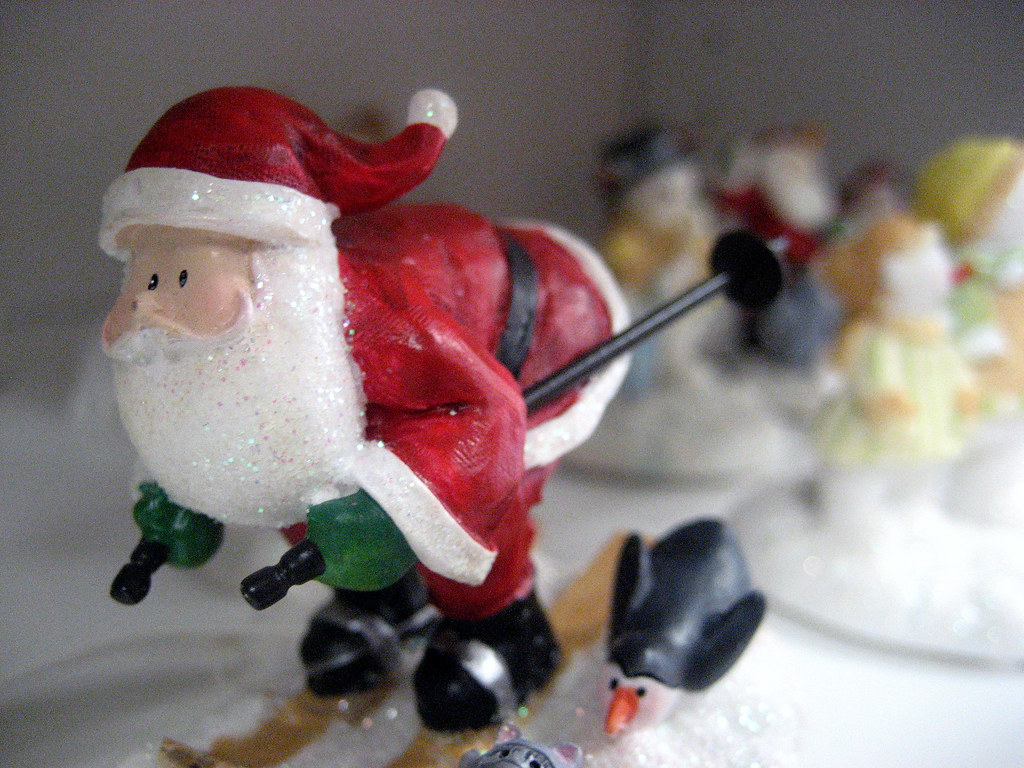
Antique Santa figures, from tabletop statuettes to early plastic or papier-mâché versions, are a classic example of holiday decor that can be worth far more than it appears. A survey of the most collectible vintage holiday decorations highlights Santa Ornaments and Holt Howard Santa Mugs And related pieces as especially desirable, which signals how strong the market is for older Santa imagery in general. Age, material, and facial style all help pinpoint when and where a figure was made.
For owners, the stakes are significant because these figures often survive as family heirlooms. Early twentieth-century versions, especially those with original paint and clothing, can attract serious collectors. Even mid-century ceramics and novelty mugs can be valuable when they carry recognizable branding or artist signatures. Before you repaint a scuffed Santa or toss a chipped mug, it is worth checking whether that “tacky” figure is actually part of a documented collectible line that commands high prices online.
7) Mid-Century Nativity Sets
Mid-century nativity sets combine religious significance with design history, which helps explain their growing value. Reporting on families who kept older Christmas decor items notes that dusty pieces tucked away in basements can be worth hundreds or thousands, and nativity scenes are often among those long-stored items. Sets from the 1950s and 1960s, especially those made of ceramic or chalkware, reflect distinctive color palettes and sculpting styles that appeal to collectors.
If you own a vintage nativity, check whether all the figures are present and whether the stable or backdrop is original. Missing pieces can reduce value, but rare or unusually styled figures may still be desirable on their own. Because these sets are often displayed around children and pets, intact examples are less common than you might expect. That scarcity, combined with renewed interest in mid-century design, means your family’s traditional manger scene could be a surprisingly valuable part of your holiday collection.
8) Faded Holiday Wreaths
Faded holiday wreaths might look like yard sale leftovers, yet vintage examples can be worth far more than their weathered appearance suggests. Coverage of yard sale items worth money explains that everyday decor, including older seasonal pieces, can be “actually worth a fortune” when it has vintage appeal. Wreaths made with early plastic greenery, mercury glass accents, or mid-century ribbon styles often fall into that category.
For sellers and shoppers, the key is to look past fading and dust to the construction details. Original tags, unusual color schemes, and handmade embellishments can all signal that a wreath predates today’s mass-market designs. Even if you would not hang it on your own door, collectors who specialize in period holiday decor may pay a premium to restore or display it. That makes careful inspection of “junk” wreaths at estate and yard sales a potentially profitable habit.
9) Old Tinsel Strands
Old tinsel strands, especially those made from early materials, are another unassuming decoration that can carry surprising value. Guides to Christmas Ornaments that are worth a small fortune often mention how accessories and trimmings, not just baubles, attract collectors. Vintage tinsel that reflects specific eras, such as heavy metallic strands or distinctive packaging, fits neatly into that trend of overlooked holiday assets.
From a collector’s perspective, unopened boxes and intact labels are particularly desirable, since they document the product’s age and origin. Even partially used bundles can be interesting if they showcase a style no longer produced. Because tinsel was typically discarded after a few seasons, surviving examples are less common than ornaments, which supports higher prices. If you find old strands in storage, resist the urge to throw them away, and instead research whether they match sought-after vintage styles.
10) Weathered Holiday Signs
Weathered holiday signs, from plywood “Merry Christmas” cutouts to metal yard plaques, often look like pure nostalgia, yet they can be surprisingly valuable. Reporting on vintage items worth money at yard sales notes that everyday signage and decor can be “actually worth a fortune” when it taps into collectible design eras. Holiday signs with retro fonts, classic imagery, or recognizable brand logos are especially attractive to buyers who decorate with vintage advertising.
For homeowners, that means the peeling sign in your garage might be more than scrap wood. Original paint, legible lettering, and evidence of hand-painting can all increase value, as can provenance from a specific store or neighborhood display. Because outdoor pieces endure weather and frequent handling, intact examples are relatively scarce. Before you repaint or discard an old sign, consider that its worn surface may be exactly what collectors are willing to pay for, turning a forgotten decoration into a meaningful asset.

Leave a Reply