

The 1960s gave you some of the most photographed, replayed and revived looks in fashion history, from sharp mod tailoring to swirling hippie prints. Each of these ten moments did more than look good, they helped define what personal style and youth culture could be. Seen together, they show how a single decade still shapes the way you dress, pose for photos and read the politics of clothes today.
1) The Rise of the Mini-Skirt by Mary Quant
The mini-skirt by Mary Quant turned hemlines into a cultural battleground and a symbol of youth rebellion. By 1966, Quant was producing short, waist-skimming dresses and skirts set “6 or 7 inches above the knee,” as detailed in 1960s mini-skirt history, and her Ginger Group label pushed the look directly to young shoppers. Later analysis of the trend notes that young women were tired of dressing like their mothers and embraced Quant’s shorter hemlines, lively colors and daring designs as a new uniform of independence.
That shift is why the mini-skirt consistently appears in lists of iconic 1960s trends that still resonate. Even debates over the “miniskirt myth,” which question whether Quant truly invented the look, confirm how central she is to its story. For you, the legacy is practical as well as symbolic, every time a short A-line skirt reads as confident, modern and unapologetically young.
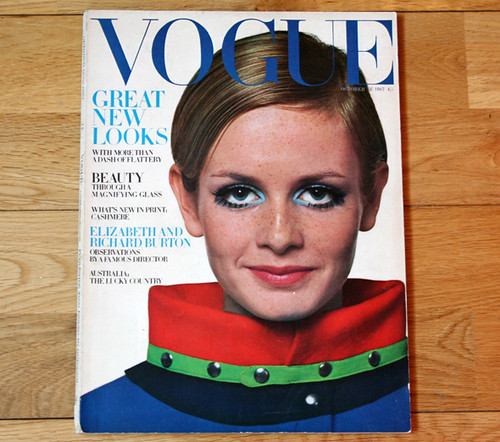
2) Twiggy’s Androgynous Mod Look
Twiggy’s androgynous mod look crystallized the decade’s appetite for slim, boyish silhouettes and graphic makeup. Photographs collected in features on unforgettable 1960s images show her waifish frame, cropped hair and painted-on lower lashes, a visual shorthand for Swinging London. Those images did not just document a trend, they broadcast a new ideal of youth that rejected the hourglass glamour of the 1950s in favor of something sharper and more urban.
Her style also helped normalize gender-fluid cues in mainstream fashion, from flat shoes to boxy shift dresses that skimmed rather than hugged the body. When you see current campaigns using spiky lashes, geometric minis and boyish haircuts, they are often echoing Twiggy’s mod template. The stakes were high at the time, because her look signaled that teenage girls, not couture clients, were now setting the agenda.
3) Yves Saint Laurent’s Le Smoking Tuxedo
Yves Saint Laurent’s Le Smoking tuxedo marked a turning point in how women could dress for evening and for power. The suit, created in 1966, is described in fashion histories as the first women’s tuxedo to command serious attention, with Le Smoking by Yves Saint Laurent now treated as a canonical design. Detailed commentary on the look notes that it was inspired in part by Marlene Dietrich and that it changed how society viewed women’s relationship with authority and sexuality.
Lists of moments that changed fashion forever repeatedly highlight Le Smoking for blurring gender lines in a way that still feels radical. For you, the ripple effect is visible every time a tailored black suit replaces a gown on a red carpet or at a board meeting. The 1960s tuxedo made it clear that masculine tailoring on a woman could read as elegant, not transgressive, and that insight continues to shape dress codes.
4) The Beatles’ Influence on Men’s Peacoats and Chelsea Boots
The Beatles turned peacoats, slim suits and Chelsea boots into a global male uniform through the power of television. Coverage of iconic TV moments for Boomers points to their appearances on shows like The Ed Sullivan Show as generational touchstones, where mop-top hair and narrow lapels were beamed into living rooms. Those broadcasts helped shift young men away from conservative tailoring toward a sleeker, more modern silhouette.
The impact went beyond haircuts. Their collarless jackets, dark peacoats and elastic-sided boots made British mod style aspirational for teenagers in the United States and beyond. When you see contemporary menswear leaning on skinny trousers, ankle boots and neat, mid-length coats, it is drawing on a template that The Beatles helped cement in the 1960s through mass media exposure.
5) Courrèges’ Space-Age Go-Go Boots and White Mini-Dresses
André Courrèges pushed 1960s fashion into the future with space-age go-go boots and stark white mini-dresses. His use of vinyl, plastic and geometric cuts created a visual language of modernity that cinema quickly amplified. Surveys of iconic fashion films often highlight titles like Barbarella, where thigh-high boots, metallic fabrics and short, structured dresses brought this futuristic aesthetic to a mass audience.
On screen, these looks suggested a world of space travel, technology and liberated bodies, and they fed directly into youth culture’s fascination with the Space Race. For you, the legacy appears in every glossy white boot and A-line mini that reads as playful and sci-fi. Courrèges proved that fashion could mirror technological optimism, turning the runway and the movie screen into laboratories for what tomorrow might look like.
6) Fire Island’s Queer Beachwear and Floral Prints
Fire Island’s queer beachwear in the 1960s offered a parallel fashion story of liberation, away from the straight gaze. Historical accounts describe Fire Island’s LGBTQ history as central to America’s queer summer culture, with New York’s barrier island becoming a seasonal refuge. In Cherry Grove and the Pines, men and women experimented with shorter shorts, bold swimwear and floral prints that might have been risky in their home towns.
Photography from exhibits on Cherry Grove’s visual history shows campy resort wear, drag looks and improvised beach outfits that blurred gender norms. These clothes mattered because they turned fashion into a tool for visibility and community-building long before mainstream pride parades. When you see queer resort collections and rainbow-inflected beachwear today, they are part of a lineage that runs straight back to those 1960s Fire Island summers.
7) André Courrèges’ Flat Shoes and Helmet Hats
André Courrèges also reshaped everyday dressing with flat shoes and helmet-like hats that prioritized movement and clarity. His low, graphic footwear and rounded headgear stripped away ornament, aligning with a broader 1960s fascination with minimalism and athleticism. Later designers have cited this stripped-back approach as a key influence on conceptual runway work, treating his shows as early examples of fashion as system, not just decoration.
In a reflective interview, Hussein Chalayan discussed how earlier catwalk simplicity informed his own experiments, with catwalk moments that defined him echoing the clean lines and functional focus of 1960s innovators. For you, the stakes are visible in the ongoing acceptance of sneakers, flats and sculptural headwear in high fashion. Courrèges helped prove that comfort and futurism could coexist, a principle that underpins much of today’s luxury sportswear.
8) Hippie Psychedelic Patterns and Tie-Dye
Hippie psychedelic patterns and tie-dye turned protest into a dress code, rejecting establishment norms through color and craft. Swirling prints, ethnic-inspired embroidery and hand-dyed T-shirts became shorthand for anti-war sentiment and communal living. These clothes were often homemade or sourced from street markets, which made them accessible to students and activists who wanted their wardrobes to match their politics.
Recent visual surveys of fashion imagery show how strongly those motifs persist, with 2023 fashion photography highlighting bohemian silhouettes, crochet and saturated tie-dye as key trends. For you, the endurance of these patterns underlines how 1960s counterculture aesthetics keep cycling back whenever designers want to signal freedom, festival energy or a critique of rigid dress codes.
9) Jackie Kennedy’s Pillbox Hats and Shift Dresses
Jackie Kennedy’s pillbox hats and clean shift dresses offered a different kind of 1960s power dressing, one rooted in polish and accessibility. Her simple silhouettes, often in solid colors with minimal embellishment, became a global reference point for tasteful femininity. The look was easy to copy, which meant women far from Washington could emulate a First Lady simply by choosing a neat sheath dress and a small, structured hat.
That template still shapes celebrity style. Coverage of Bollywood celebrity fashion in 2024 notes red-carpet moments that echo 1960s elegance through shift-like gowns, pillbox-inspired headpieces and restrained color palettes. For you, Jackie’s influence shows how political figures can set long-lasting fashion codes, especially when their wardrobes balance formality with a sense of modern ease.
10) The Swinging London Scene’s Op Art Prints
The Swinging London scene’s Op Art prints turned the city into a walking gallery of bold geometry. Designers like Mary Quant used black-and-white checks, stripes and concentric circles to create optical effects that matched the decade’s fascination with pop art and graphic design. These patterns worked perfectly with short hemlines and simple cuts, letting the print carry the drama while the silhouette stayed streamlined.
Analyses of fashion’s pivotal shifts often point to this explosion of youth-driven street style as a key 1960s legacy. For you, the ongoing popularity of checkerboard knits, zigzag minis and high-contrast graphic dresses shows how Op Art made pattern a statement of modernity. The look helped cement London as a fashion capital where teenagers, not traditional elites, dictated what counted as cutting edge.

Leave a Reply