


You grew up in an age of instant everything or you watch younger people who do, so these stories of an older childhood will feel striking — and oddly relieving. This article shows ten real experiences Boomers lived through that you no longer have to endure, so you can appreciate how much simpler — and often less risky or inconvenient — modern life can be.
Expect a quick tour of everyday moments that once demanded patience, planning, and a different kind of independence: no phones to text from, rotary dials to memorize, paper maps to unfold, film to wait for, or coins for a payphone. You’ll see how those vanished habits shaped lives and why you’re probably glad they’re gone.
Walking to a friend’s house without a phone to text ahead
You left home hoping your friend was there; no quick text to confirm plans.
That meant showing up, knocking, and either getting to hang out or finding out they’d stepped out.
You learned to read people and schedules from habit — who tended to be home after school, who worked late.
It taught you flexibility and a tolerance for small disappointments without constant updates.
Using a rotary phone and memorizing important numbers
You learned to dial slowly and precisely, turning the wheel for each digit and waiting for it to return.
That routine forced you to remember family numbers, emergency contacts, and the occasional babysitter by heart.
No contact list lived in your pocket, so losing a paper note could feel like losing half your social life.
Kids today tap a name and call; you built a small mental Rolodex and relied on it daily.
Relying on a physical map for directions
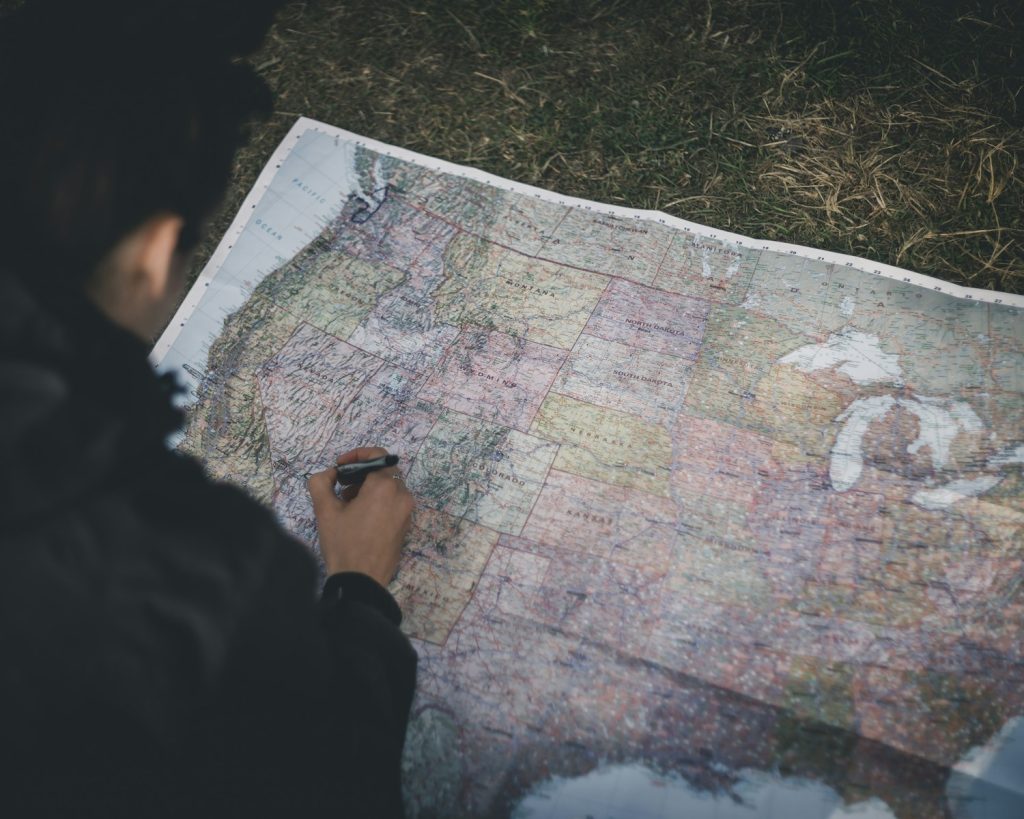
You had to unfold a giant paper map and figure out where you were by matching roads and landmarks.
Traffic changes, missing exits, or a smudged crease could turn a short drive into a guessing game.
You couldn’t reroute with a tap or see live traffic.
Instead you relied on memory, help from a passing stranger, or pulling over to check the map again.
Waiting days for film to be developed
You snapped photos and then waited—sometimes several days—before seeing how they turned out.
That delay meant surprises: a perfect shot, a ruined roll, or a missed moment you couldn’t recover.
You learned to be more deliberate with each frame because film and processing cost money.
Now you expect instant previews and quick fixes, and that patience feels almost quaint.
Playing outside until streetlights came on
You left home after breakfast and didn’t think about a phone or check‑in until dusk.
You learned independence, navigated groups, and solved arguments without adults stepping in.
Sometimes you came home with scraped knees or a new friend.
Other times you simply remembered how to be bored and invent games to fill the afternoon.
Using a payphone if you needed to call home
You kept quarters in your pocket and a mental map of every payphone nearby.
Stepping into the booth meant feeding coins, listening for the dial tone, and hoping you had enough time to say what mattered.
Calls could cut off mid-sentence when the timer ran out, so you learned to speak fast and prioritize information.
There was also the occasional collect call or calling-card hustle to stretch minutes for long-distance.
Flipping through an actual phone book to find numbers
You grabbed a thick yellow book and flipped until your thumb wore a groove in the pages. It took patience and sometimes calling the wrong number anyway.
Neighbors, businesses, and services lived in columns you had to scan manually. You learned spelling, patience, and where to find the local pizza joint without Google.
Listening to music on cassette tapes or vinyl records
You had to wait for the right song by rewinding or fast-forwarding tapes, estimating where the track lived on the spool. That patience taught you to be deliberate about playlists.
Vinyl meant flipping sides and caring for sleeves to avoid pops and skips. You learned to handle records gently and accept small imperfections as part of the experience.
Both formats made sharing music a physical act — lending a tape or swapping a record created moments that streaming rarely recreates.
Writing letters and waiting for replies by mail
You used to write carefully, choose stationery, and seal an envelope before heading to the postbox.
Then you waited—days or weeks—for a reply, which taught patience and made each letter feel important.
You couldn’t edit instantly or send a quick follow-up; your words carried more weight and required thought.
Today you tap a screen and get an answer within minutes, so you rarely notice how slow, deliberate communication shaped relationships back then.
Dialing long-distance calls with operator help
You had to call an operator and ask them to place a long-distance call for you. The operator physically patched lines or routed your request through multiple exchanges.
You waited while connections were made and watched the clock if the call was timed. Collect calls and asking an operator to page someone were common workarounds when you couldn’t dial directly.
Direct-dialing arrived later, but for decades you relied on another person to get you through.
More from Vinyl and Velvet:

Leave a Reply