

You grew up where a single mistake could mean a missed moment — no instant fix, no undo button, just whatever you’d planned and the patience to see it through. This piece shows how everyday tasks you might take for granted now once required time, tools, and small rituals that built a different kind of resilience and resourcefulness.
You’ll see how ordinary chores and tiny tech limitations shaped routines, social life, and the kind of problem-solving that Zoomers will never have to practice.
Flip through these pages to feel the contrast between hands-on habits and today’s instant-everything culture. Expect quick, relatable snapshots that capture the texture of those small, formative struggles without dramatizing them.
Using payphones to call friends
You had to plan when and where to meet because payphones were your lifeline for last-minute changes.
Coins, phone cards, or exact change mattered — and calls could cut out or get interrupted.
You couldn’t check a map or ping someone’s location instantly.
If the line was busy, you waited or walked to another payphone and hoped they were still there.
Rewinding cassette tapes with a pencil
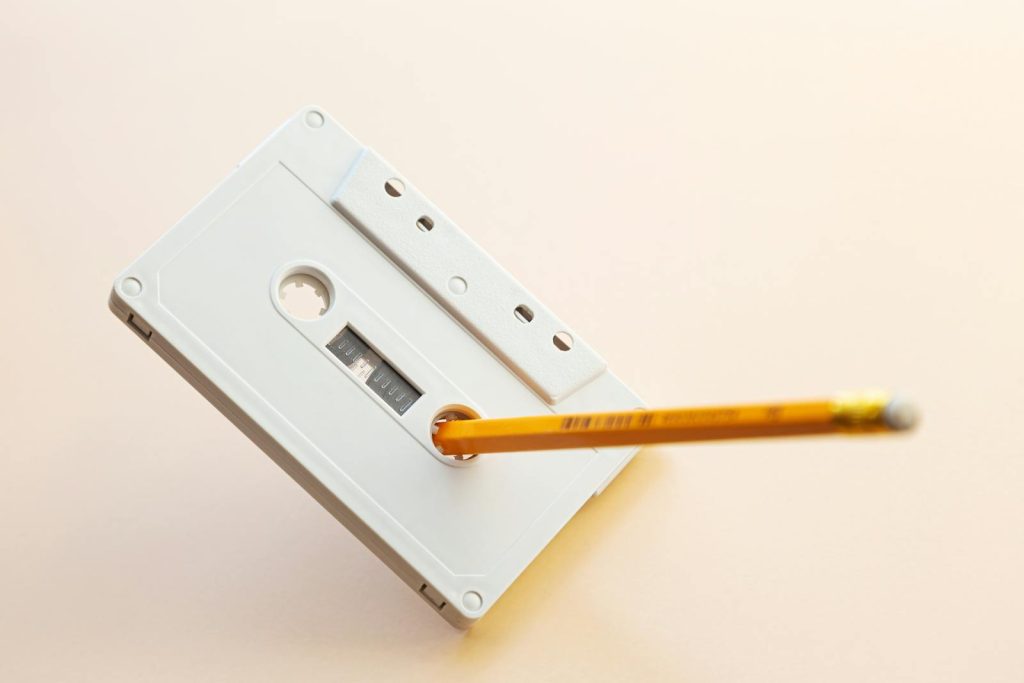
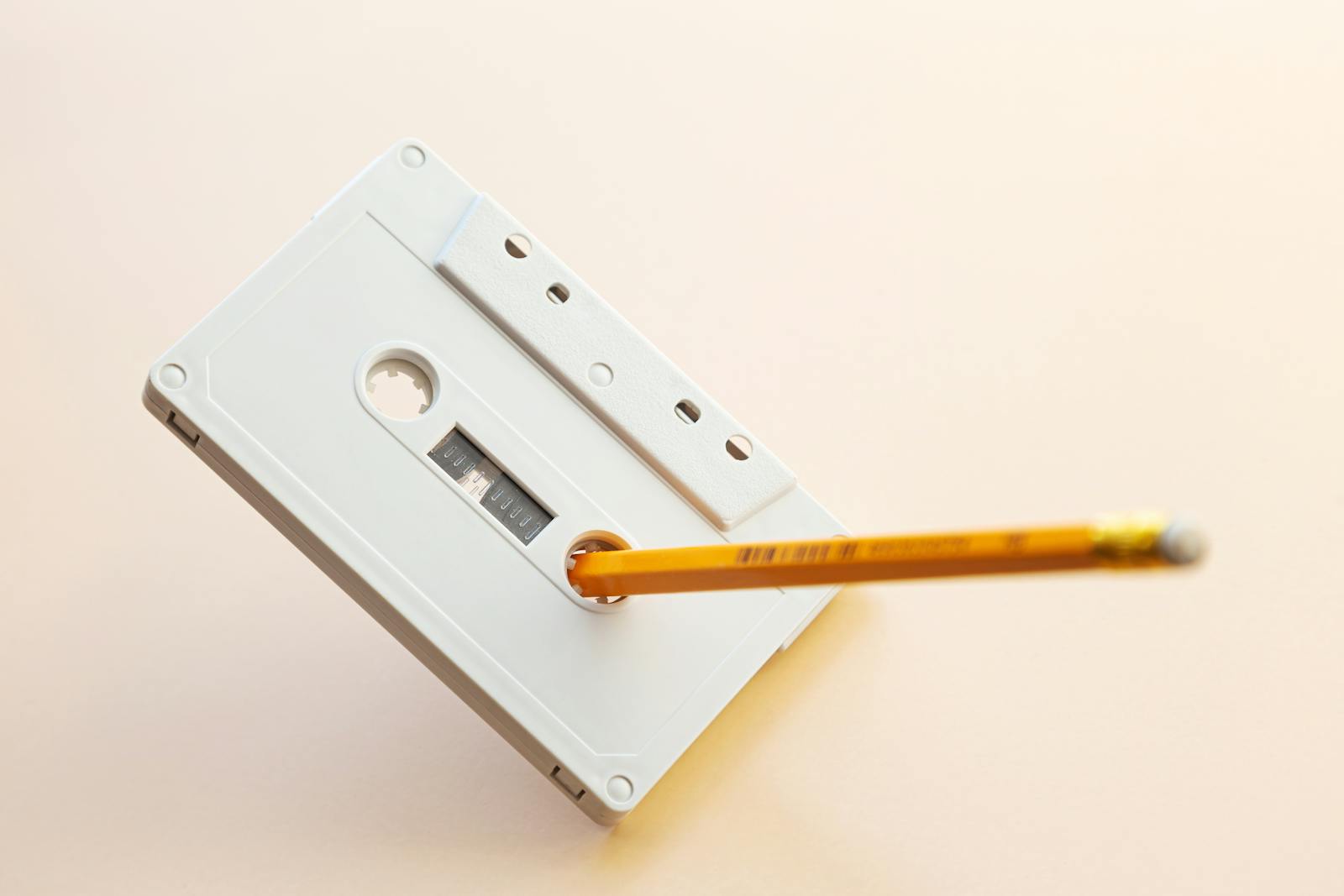
You learned to rescue a stretched tape with a cheap wood pencil and a steady thumb.
Slide the pencil into a reel hole, turn gently, and the tape snugs back into place.
It felt normal to carry a pencil for playback emergencies.
You also knew the panic of a tape chewed by a player — and the quiet relief when the pencil fixed it.
Navigating dial-up internet noise
You remember the modem screech before you could even open a browser.
That sound meant you had to stay put; a dropped call or angry family member could kill the connection.
You learned patience fast. Downloads took ages, so you planned tasks around connection times.
Kids today stream instantly — they don’t know the ritual of waiting for a page to load.
Waiting for VHS tapes to rewind
You had to rewind tapes before returning them, or face a late fee and mild public shame.
That slow whir and the anxious hope the tape wouldn’t get eaten filled the final minutes of movie night.
Sometimes you’d keep a pencil handy to fix a jam or speed things up a bit.
It taught patience — and how to time your errands around a spinning reel.
Carrying a bulky Walkman everywhere
You lugged a chunky Walkman and a cassette case like it was part of your outfit.
Batteries, tangled earbuds, and flipping tapes were normal hassles you accepted.
You planned routes and free time around rewind stops and mixtape changes.
Streaming and tiny wireless earbuds make that kind of portability and ritual obsolete.
No GPS—using paper maps instead
You learned to fold and refold giant maps until they fit in your glovebox.
Before turn-by-turn directions, you asked for written routes, stopped to check mile markers, or relied on a helpful gas-station attendant.
Planning a trip meant tracing routes with a pen and estimating times from distance scales.
You got good at reading legends and spotting landmarks; getting lost taught you patience and improvisation.
Relying on handwritten notes in school
You learned to listen, synthesize, and write fast because your notes were the record you’d revisit later. Pens, spiral notebooks, and messy margins shaped how you studied and remembered facts.
You couldn’t copy slides or record lectures easily, so your handwriting mattered—legibility and speed affected grades. That tactile practice helped memory in ways typing sometimes doesn’t.
Dealing with no-call, no-text communication
You learned patience the old-fashioned way: if someone didn’t call back, you waited and adjusted plans. Ghosting existed, but you usually assumed a missed call or busy life rather than intentional silence.
You handled uncertainty by checking voicemail, leaving a polite message, or calling again later. That built a thicker skin and clearer expectations around follow-up.
Juggling part-time jobs without apps
You tracked shifts on paper, sticky notes, or a calendar on the wall.
No app told you when a shift opened; you called coworkers or showed up in person.
You balanced conflicting schedules with landlines and voicemail messages.
That meant more missed opportunities and last-minute scramble to cover shifts.
You learned to negotiate face-to-face and memorize hours.
Those old habits shaped your reliability — and your patience.
Practicing patience for film camera photos
Shooting film forces you to slow down; every frame costs money and you can’t instantly review shots.
You learn to think about composition, light, and timing before you press the shutter.
Waiting for development teaches delayed gratification and sharpens your eye.
That anticipation also makes the good prints feel more valuable than a quick phone snap.
Mistakes stick, so you become more deliberate and less impulsive.
Those habits spill into other parts of life, making you steadier and more attentive.
More from Vinyl and Velvet:

Leave a Reply