

Classic Christmas table settings have a way of making the whole house feel like the holidays, especially when they echo the details your grandma always used. By leaning into those familiar touches, you create a sense of continuity that feels both nostalgic and polished. Use these ideas as a guide to build a table that looks timeless, works for real-life hosting, and keeps the focus on gathering together.
1) Crisp White Tablecloth As The Canvas
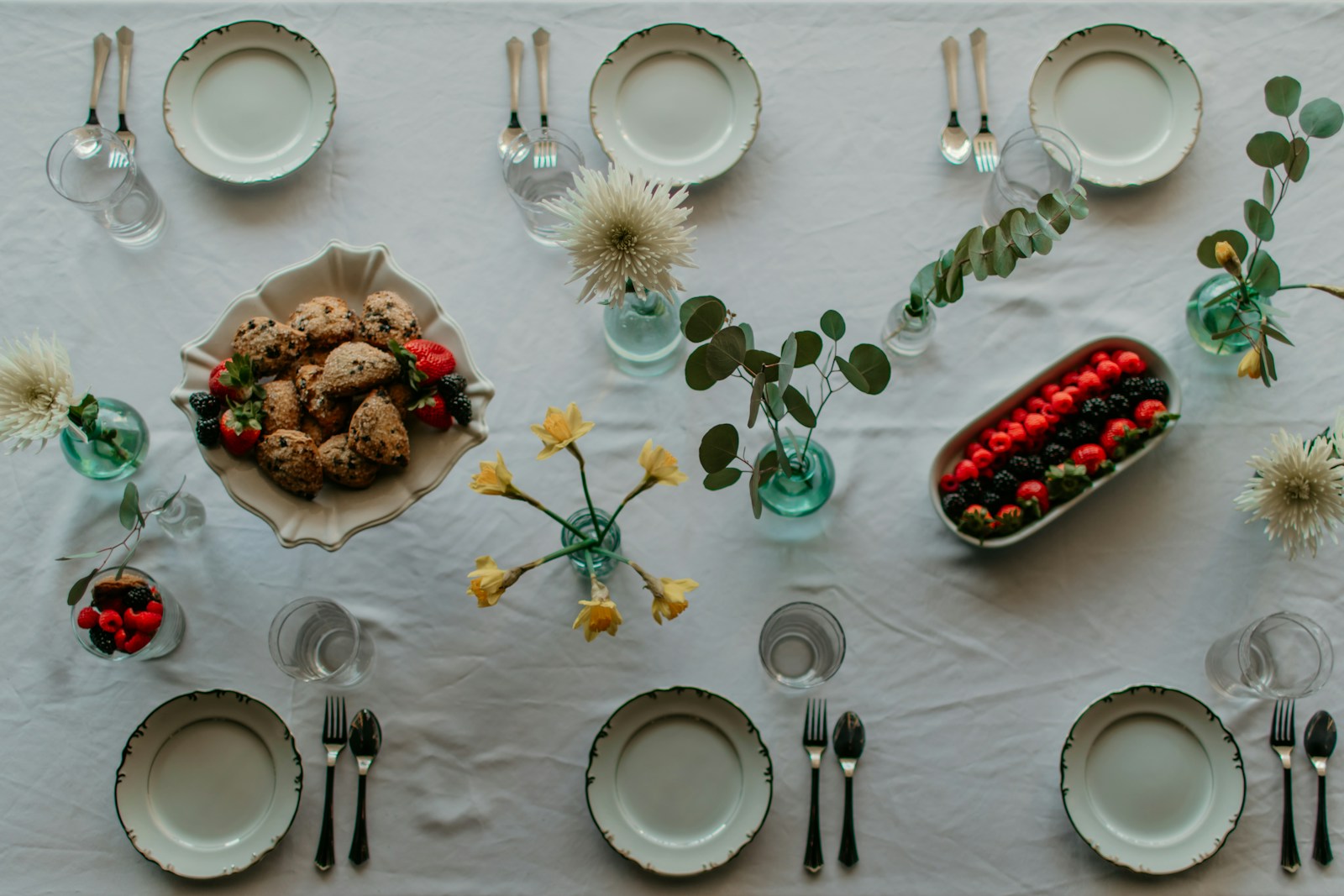
A crisp white tablecloth is the foundation your grandma likely relied on for every Christmas meal, because it instantly makes even a simple table feel dressed up. White fabric reflects candlelight, shows off your dishes, and hides the mix of patterns and colors that often come with heirloom pieces. When you start with a clean, neutral base, you can layer sentimental items without the table looking cluttered. That blank canvas also signals to guests that this meal is special, not just another weeknight dinner.
Using a white cloth also makes practical sense if you host often, since it can be bleached and reused for years. You can soften the look with a lace overlay or a runner, but the underlying white keeps everything cohesive. For families who serve a wide spread of holiday favorites, from carved meats to colorful vegetables, a neutral backdrop lets the food shine as the centerpiece of the celebration.
2) Mismatched China With Holiday Charm
Mismatched china is another classic move that shows up on many grandmas’ Christmas tables, turning a stack of inherited plates into a story you can see. Instead of buying a full matching set, she likely combined floral patterns, gold rims, and maybe a few chipped favorites that only come out in December. The mix gives every place setting personality while still feeling intentional when you repeat a few colors, such as red, green, or metallic accents. Guests notice the variety and often ask about the pieces, which naturally sparks family stories.
This approach is also practical if you host a crowd, because you are not limited by a single set’s size. You can pull in dessert plates, saucers, and serving pieces to fill gaps and still keep the table cohesive. When you pair those plates with traditional holiday side dishes, the table looks like it has grown over generations instead of being bought in one season. That layered history is part of what makes a Christmas table feel genuinely classic.
3) Heavy Silverware And Real Glassware
Heavy silverware and real glassware are hallmarks of a Christmas table that feels like your grandma’s, because they signal that this meal deserves more than everyday utensils. Even if the knives and forks are slightly tarnished, their weight in your hand changes the pace of the meal and encourages guests to linger. Real glassware, whether it is cut crystal or simple stemmed glasses, catches the light and makes even water look festive. Together, these details create a sense of ceremony that paper plates and plastic cups cannot match.
From a hosting perspective, bringing out the “good” pieces also helps you slow down and plan the meal more thoughtfully. You are more likely to serve courses, pass platters, and pour drinks at the table when you have proper tools in front of you. That rhythm gives everyone more time to talk between bites and makes the holiday feel distinct from everyday life. It is a small shift that has a big impact on how the gathering feels for your guests.
4) Linen Napkins With Simple Folds
Linen napkins, folded simply at each place setting, are another detail that instantly recalls a grandmother’s Christmas table. Instead of elaborate shapes, she probably favored a classic rectangle or triangle, sometimes tucked into a glass or laid across the plate. The texture of real fabric feels substantial, and it absorbs spills better than paper, which matters when you are serving rich holiday dishes. A neutral napkin can be reused across seasons, while red or green linen adds instant Christmas color without needing extra decor.
Napkins also offer a subtle way to personalize each seat. You can slide in a sprig of evergreen, a candy cane, or a handwritten name card to echo the way older generations marked places for family members. That small gesture helps guests feel expected and welcomed. When you combine linen napkins with sturdy side dishes that always appear on the holiday menu, the table looks both prepared and deeply familiar, reinforcing the sense that this is a tradition worth keeping.
5) Classic Holiday Side Dishes As Centerpiece
Classic holiday side dishes often functioned as decor on your grandma’s table, filling the center with color and texture instead of elaborate floral arrangements. A long row of casseroles, vegetables, and breads created a visual feast before anyone took a bite. Traditional recipes, such as the vintage side dishes many families still serve, bring familiar aromas and shapes that guests recognize the moment they sit down. Those dishes effectively become part of the tablescape, anchoring the meal in shared memory.
Letting food double as decoration also keeps the table practical, since guests can reach what they need without weaving around tall centerpieces. It reflects a hosting style that prioritizes abundance and comfort over perfection. When you place casseroles on trivets, use matching serving spoons, and leave enough space for plates, the table looks generous but not chaotic. That balance is exactly what made your grandma’s Christmas table feel both beautiful and usable for a long, relaxed meal.
6) Candles Down The Center Of The Table
Candles running down the center of the table are one of the most enduring Christmas details, because they instantly warm the room and flatter everyone seated there. Your grandma might have used brass candlesticks, glass votives, or a mix of both, but the effect was the same, a soft glow that made the meal feel intimate. Candlelight also reflects off china and glassware, making the whole table look richer without adding more objects. Even a simple white candle can transform a plain setting into something that feels like a holiday ritual.
From a practical standpoint, low candles keep sightlines open so guests can talk across the table without dodging tall arrangements. They also help you dim overhead lights, which can be harsh in photos and uncomfortable during a long dinner. When you combine candlelight with familiar dishes and heirloom pieces, the table feels like a place where time slows down. That atmosphere is a big reason people remember Christmas dinners from childhood so vividly.
7) Serving Family Style To Keep Conversation Flowing
Serving food family style, with platters and bowls passed around the table, is another tradition that shaped how your grandma’s Christmas table looked and felt. Instead of plating everything in the kitchen, she likely set out large dishes so each person could take what they wanted. That approach naturally keeps conversation moving, because guests are constantly interacting, asking for seconds, and commenting on favorite recipes. It also makes the table look abundant, with generous portions visible in the center.
Family-style service aligns with classic hosting advice that emphasizes making guests feel involved rather than managed. When people help themselves, they can pace their meal and revisit dishes they love without waiting for a host to notice. This style also reduces the need for elaborate plating, freeing you to focus on timing and temperature. The result is a table that feels relaxed but still intentional, echoing the way earlier generations balanced hospitality with practicality.
8) Thoughtful Seating And Place Cards
Thoughtful seating, often marked with simple place cards, is a subtle detail that many grandmas used to keep Christmas dinners running smoothly. By deciding in advance who sits where, you can mix talkative guests with quieter ones, separate potential conflicts, and make sure older relatives have easy access to exits or restrooms. A handwritten card at each plate signals that every person was considered individually, not just squeezed in at the last minute. That sense of planning helps guests feel valued from the moment they arrive.
Placing cards on folded napkins, tucked into glasses, or propped against small ornaments adds a decorative touch without cluttering the table. This practice also supports broader hosting principles that prioritize guest comfort and flow, similar to the way classic grandma hosting tips focus on preparation before anyone walks through the door. When seating is handled thoughtfully, conversation tends to be livelier and more inclusive, which can shape how everyone remembers the holiday.
9) Seasonal Centerpieces With Natural Greens
Seasonal centerpieces built from natural greens are another staple of a classic Christmas table, often assembled from what was available in the yard or local market. Your grandma might have layered evergreen branches, pinecones, and a few bright ornaments down the center of the table, leaving gaps for serving dishes. The result is a low, fragrant arrangement that feels connected to the season without overwhelming the space. Natural materials also age gracefully over the course of the meal, shedding a few needles instead of collapsing like more fragile flowers.
Using greens in this way keeps the color palette cohesive, tying together red napkins, white plates, and metallic accents. It also offers a cost-effective alternative to elaborate floral designs, which can be hard to maintain through multiple holiday gatherings. When you combine greenery with candlelight and heirloom pieces, the table feels layered but not fussy. That balance reflects a practical mindset that values beauty, but never at the expense of comfort or conversation.
10) Dessert And Coffee Served At The Same Table
Finishing the meal with dessert and coffee at the same table is a final tradition that keeps your grandma’s Christmas setting in use long after the main course ends. Instead of moving to another room, she likely cleared large platters, brought out pies or cakes, and set down a pot of coffee so everyone could stay put. This approach extends the life of the tablescape, letting guests enjoy the candlelight and decor while they relax. It also keeps the group together, which matters when family members may not see each other often.
Serving dessert in place encourages a slower pace, giving people time to share stories, exchange small gifts, or plan the rest of the evening. You can refresh the table with clean dessert plates and smaller forks, but the underlying setting remains the same, reinforcing the idea that the table is the heart of the celebration. That continuity is part of what makes classic Christmas table traditions feel so enduring, even as menus and guest lists change over the years.
More from Vinyl and Velvet:

Leave a Reply