

Christmas Eve used to be the quiet, ritual-rich counterpoint to the bustle of Christmas Day, built around familiar foods, family routines, and small symbolic gestures. Many of those classic traditions still echo in how you plan a festive meal, choose cozy recipes, or borrow ideas from older European customs. Here are 10 Christmas Eve traditions families used to have, and how they connect to the comforting habits you still see today.
1) Planning a special Christmas Eve “festive meal”
Planning a special Christmas Eve “festive meal” once meant sitting down with family recipes and mapping out a menu that felt different from any other night of the year. Modern roundups of Christmas Eve dinner ideas still mirror that impulse, grouping classic mains, sides, and desserts into full spreads that you can mix and match. The focus is on dishes that feel celebratory but familiar, like roasts, casseroles, and make-ahead desserts that let you linger at the table.
For earlier generations, this kind of planning was a way to signal that Christmas Eve marked the true start of the holiday, even before presents or church services. Today, curating a “festive meal” menu plays the same role, giving you a structure for gathering relatives, assigning potluck dishes, and preserving family specialties. The stakes are emotional as much as practical, because the menu becomes a yearly script that children and grandparents alike learn to anticipate.
2) Gathering the whole family for a sit-down Christmas Eve dinner
Gathering the whole family for a sit-down Christmas Eve dinner used to be nonnegotiable, and detailed collections of Delicious Christmas Eve Dinner Ideas for 2022 show how that tradition persists. One home cook describes Christmas Eve as “always the coziest meal,” something they “look forward to all year,” underscoring how the dinner itself is the event. Classic courses, from hearty mains to nostalgic sides, are chosen less for novelty than for the sense of continuity they bring.
In many households, this sit-down meal is when far-flung relatives finally arrive, travel stories are traded, and younger family members are folded into long-standing rituals like saying grace or lighting candles. The broader trend is clear, a structured dinner still anchors the night, giving everyone a shared focal point before the looser pace of Christmas Day. For you, reviving this tradition can mean prioritizing a single unhurried meal where phones are put away and conversation stretches late.
3) Recreating comforting, “coziest” Christmas Eve suppers
Recreating comforting, “coziest” Christmas Eve suppers is another classic habit that has survived, even as recipes evolve. Guides to best Christmas Eve dinner ideas lean into this, spotlighting dishes that feel like a warm blanket, from slow-braised meats to creamy pastas and cheesy bakes. The emphasis is on food that invites second helpings and long conversations, not fussy restaurant-style plating.
Earlier generations often relied on the same comforting menu year after year, and that repetition is part of what made Christmas Eve feel safe and predictable for children. When you choose recipes that are explicitly billed as the “coziest” options, you are tapping into that same desire for reassurance at the end of the year. The stakes are subtle but real, these suppers help set the emotional tone of the holiday, signaling that home is a place of warmth and abundance.
4) Serving signature main dishes on Christmas Eve
Serving signature main dishes on Christmas Eve used to be a point of family pride, with certain households known for a particular roast, stew, or seafood platter. Modern lists of home holiday ideas still highlight the Christmas Eve dinner made for family and friends to share, treating the main course as the centerpiece of the night. In some homes, that might be a standing rib roast, in others, a lasagna or fish dish that only appears once a year.
These signature mains function as edible heirlooms, tying you back to grandparents and great-grandparents who served the same thing. They also simplify planning, because everyone knows what is coming and can build sides and desserts around it. For families trying to reclaim older traditions, choosing one dish to be “what we always have on Christmas Eve” can be a powerful way to create identity and continuity.
5) Keeping “weird and wonderful” German Christmas Eve customs
Keeping “weird and wonderful” German Christmas Eve customs has long given families a playful way to mark the night. A guide to German Christmas traditions describes quirky practices such as hiding ornaments, celebrating with specific sweets, and embracing outdoor markets that stretch into the evening. These customs may look unusual from the outside, but they are deeply rooted in regional history and family storytelling.
For German households and those with German heritage, repeating these rituals on Christmas Eve reinforces cultural identity and gives children vivid memories that stand apart from generic holiday imagery. The broader implication is that “classic” Christmas Eve does not mean one uniform script, it means leaning into the distinctive habits your own ancestors valued. Adopting or adapting a few of these “weird and wonderful” touches can help your celebration feel more personal and less commercial.
6) Passing down old-fashioned Irish Christmas Eve rituals
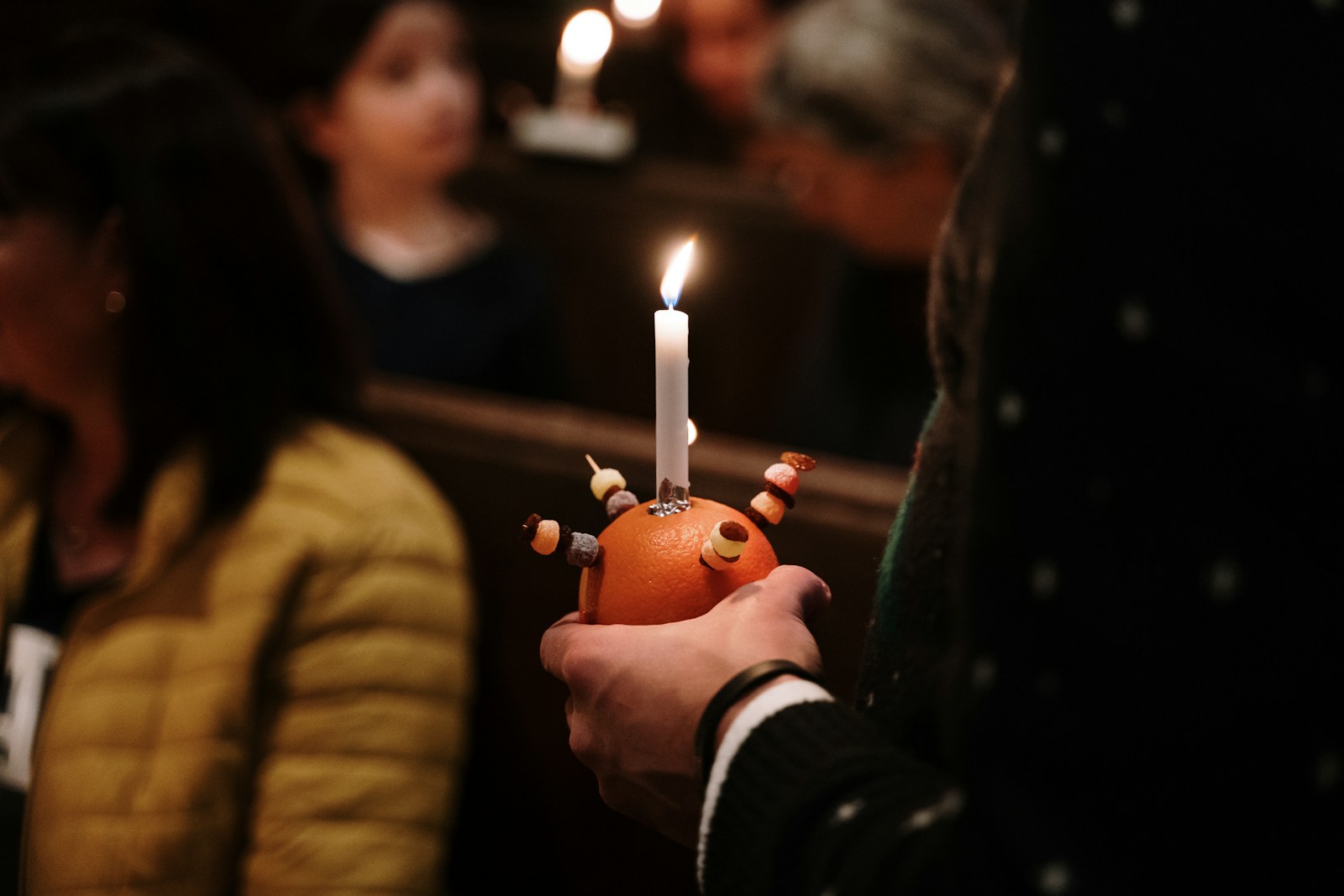
Passing down old-fashioned Irish Christmas Eve rituals has also shaped how many families approach the night. Accounts of top ten Irish Christmas traditions describe how old fashioned and modern Ireland are combined, with customs that cluster around Christmas Eve and the days that follow. These include lighting candles, preparing simple but symbolic foods, and making space for neighbors or those who might otherwise be alone.
Historically, such rituals were intertwined with religious observance and hospitality, turning Christmas Eve into a moment of reflection as well as celebration. When you echo even a small part of that, perhaps by inviting someone new to your table or keeping a candle in the window, you are participating in a long line of Irish households that saw the night as a time to look outward. The stakes extend beyond nostalgia, these practices can subtly reshape how your family thinks about generosity and welcome.
7) Blending modern Ireland with classic Christmas Eve practices
Blending modern Ireland with classic Christmas Eve practices reflects how traditions adapt rather than disappear. The same overview of history of Christmas and related customs notes how “Weird and” wonderful elements sit alongside newer habits shaped by media and travel. In Irish contexts, that can mean pairing long-standing rituals with contemporary touches like streaming carols, sharing photos, or incorporating global dishes into the evening meal.
For families with Irish roots, this blend allows younger generations to feel connected without feeling constrained by the past. You might keep a few symbolic gestures from older relatives while updating the rest of the evening to fit modern schedules and tastes. The broader trend is that Christmas Eve remains a living tradition, one that can absorb new influences while still honoring the values of reflection, hospitality, and togetherness that defined earlier celebrations.
8) Following the Royal Family’s Christmas Eve routines
Following the Royal Family’s Christmas Eve routines has long fascinated people who look to palace life for seasonal cues. Coverage of Royal Family Christmas traditions describes how the monarchy maintains set patterns each year, including Christmas Eve gatherings at royal residences. These routines often involve formal meals, gift exchanges, and scheduled appearances that underscore the continuity of the institution.
While most households will never mirror that level of ceremony, many borrow the idea of a structured Christmas Eve timetable, from when dinner is served to when presents are opened. The stakes here are symbolic, by echoing even a small part of these royal habits, families create their own sense of pageantry and order. For children especially, knowing that “this is what we always do on Christmas Eve” can make the night feel almost storybook in its predictability.
9) Looking to palace customs for inspiration at home
Looking to palace customs for inspiration at home goes beyond curiosity, it shapes how some families script their own Christmas Eve. Detailed descriptions of 40 magical Christmas traditions from around the world, including ideas like “Cozy Up in Christmas Eve PJs,” show how people adapt elite or foreign rituals into something practical. As Christmas Eve settles in, the giving of new pajamas has become one of the coziest holiday traditions, a small luxury that feels almost regal in its own way.
By borrowing this kind of ritual, you create a bridge between distant customs and your living room. The impact is straightforward, children come to associate Christmas Eve with a specific, tactile treat, while adults enjoy a low-stress way to mark the transition from daytime errands to nighttime calm. Over time, these borrowed ideas can feel just as “classic” as anything your grandparents did.
10) Using symbolic holiday-eve foods as a family ritual
Using symbolic holiday-eve foods as a family ritual connects Christmas Eve to a wider pattern of year-end customs. Reporting on 10 different foods used in New Year’s Eve traditions shows how specific ingredients, from grapes to lentils, carry stories about luck, prosperity, or protection. Families apply the same logic to Christmas Eve, choosing certain sweets, fruits, or breads because older relatives said they brought blessings for the coming year.
When you treat a particular dish as more than just food, you give children a narrative hook that makes the night feel meaningful. The stakes are cultural as well as personal, these symbolic foods help transmit beliefs and values without a lecture, simply by being served at the right moment. Reviving or inventing a small food ritual on Christmas Eve can therefore be one of the easiest ways to reconnect with the classic traditions families once took for granted.
More from Vinyl and Velvet:

Leave a Reply