

You lived through a tech and lifestyle era that demanded patience, a fat wallet, and lots of improvisation — and now many of those daily headaches are gone. You’ll discover how ten once-pervasive problems that shaped work, travel, communication, and entertainment have been effectively replaced by faster, cheaper, and smarter solutions.
Flip through this article to reconnect with what used to slow you down and appreciate how modern tools quietly fixed them. The next sections show the specific shifts that turned dial-up, clunky phones, costly long-distance, and other old pains into solved problems you barely think about anymore.
Dial-up internet frustrations
You remember the modem’s scream and waiting for pages to load one element at a time.
That patience tested every online task, and phone lines were effectively hijacked whenever you logged on.
You had to schedule downloads overnight and accept frequent disconnects.
Now broadband and fiber keep you connected without tying up the phone or counting minutes.
Basic digital cameras
You used to wait for film processing and hope the shots turned out.
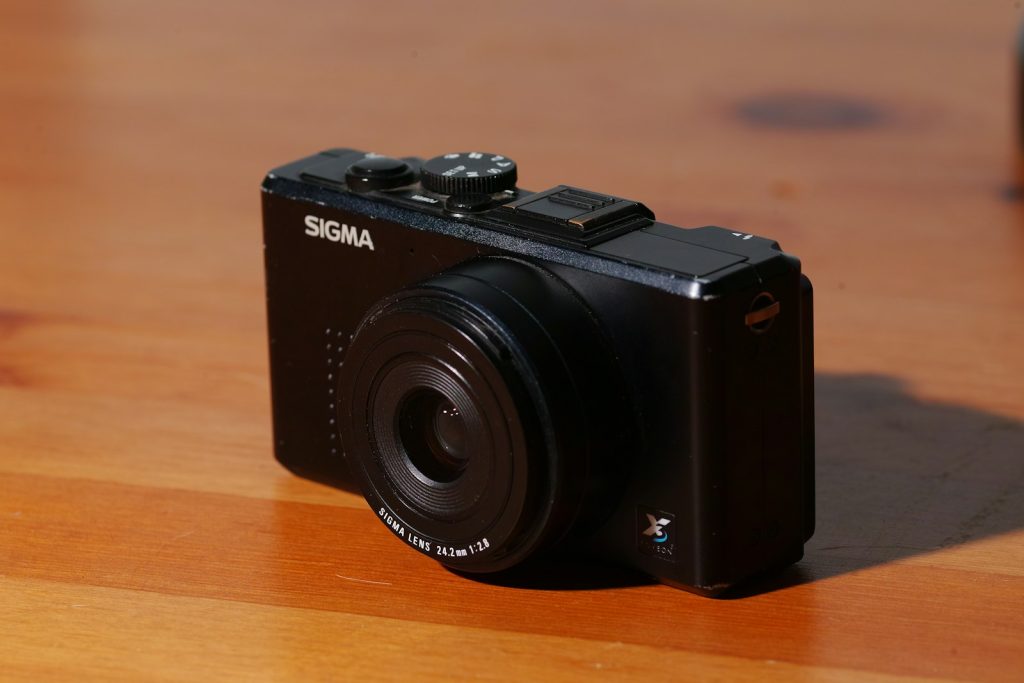
Now basic digital cameras give instant review and delete, so you stop wasting money on bad frames.
They’re simple to use and often cheaper than smartphones for photography starters.
You can plug them into a computer or phone and transfer files quickly, no darkroom skills required.
Limited mobile phone capabilities
You remember phones that could only call or text, with tiny screens and horrible battery life.
Those limits made staying connected, finding directions, or managing work a real hassle.
Now your phone fits maps, email, streaming, and decent cameras in one pocket.
Apps, fast networks, and longer batteries removed most of the old barriers you used to accept.
High long-distance calling costs
You used to budget for expensive long-distance minutes and worry about phone bills spiking after a single call.
Now you can call friends or relatives abroad without per-minute sticker shock thanks to internet-based services and unlimited plans.
You still want to check data usage and roaming fees when travelling, but the fear of surprise long-distance charges is mostly gone.
Lack of streaming entertainment
You used to hunt for shows on late-night TV guides or argue over what movie to rent. Now countless streaming services put vast libraries at your fingertips, so finding something to watch rarely feels impossible.
Choice brings new problems like subscription overload and decision fatigue. Still, the era when quality streaming options were scarce has passed for most viewers.
Manual bill payments
You used to drive, mail, or stand in line to pay every bill. Now you schedule automatic payments from your bank or use apps that push payments instantly.
You keep better records without filing paper; digital receipts and alerts track what you owe. That means fewer late fees and less time stressing about due dates.
No GPS navigation apps
You used paper maps, printed directions, or asked for directions at gas stations.
Plotting routes took time and you often missed a turn because maps aren’t dynamic.
Road trips meant preparation: atlas pages marked with highlighters and phone numbers for motels.
You learned to trust landmarks and local knowledge instead of a blue dot guiding you.
Slow desktop computers
You used to wait minutes for a PC to boot and apps to open, draining your patience and time.
Now solid-state drives, faster CPUs, and better memory management mean your desktop wakes quickly and handles multitasking without constant freezes.
If you still see hiccups, simple fixes like removing bloatware, updating drivers, and keeping disk space free restore smooth performance in most cases.
Limited remote work options
You used to struggle to find roles that let you work from home or remotely.
Now many companies offer hybrid or fully remote positions, so you can choose where you work without sacrificing career growth.
Recruiting platforms and companies list remote roles clearly, and tools make collaboration smoother.
You still need to vet jobs for flexibility and advancement, but opportunities are far more common than they were.
Print-only social media
You used to archive thoughts in paper zines and mix-tapes because online platforms felt fleeting. Now you can print curated feeds—short runs, glossy pages—that friends and family actually hold.
These print editions replicate timelines and comments, so your posts gain permanence without screens. You pick what to print, control distribution, and keep a tactile record of conversations you care about.
More from Vinyl and Velvet:

Leave a Reply