

For many families in the 1960s, luxury did not mean first-class flights or designer labels, it meant small, shared experiences that felt rich without wrecking the budget. You can still see echoes of those affordable indulgences today in simple escapes and low-cost adventures. Looking back at these moments helps you understand how modest spending once delivered big memories, and how similar choices can still shape family life now.
1) Drive-In Movie Nights
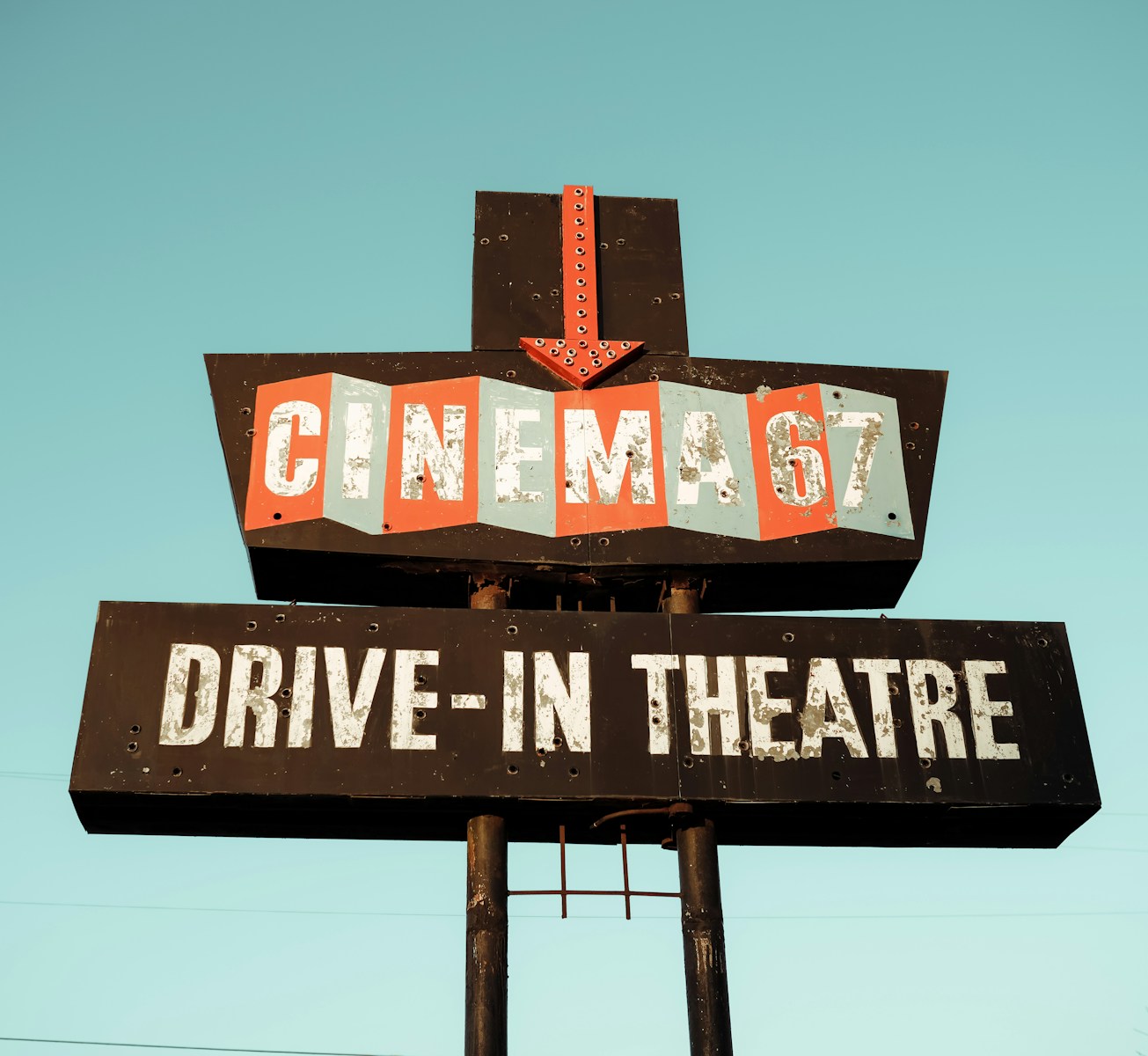
Drive-in movie nights let you roll an entire family evening into a single, low-cost outing. You could pack a car full of kids, blankets, and homemade snacks, then pay under $5 for admission, which covered everyone in the vehicle. That price made first-run films feel as reachable as today’s carefully planned but budget-conscious trips to affordable beach destinations, where the real value comes from time together rather than high-end extras.
Because you stayed in your own car, drive-ins blurred the line between home and theater, turning the parking lot into a private living room under the stars. Parents could relax while kids dozed off in the back seat, and no one worried about dress codes or babysitters. The broader lesson for families now is that comfort and togetherness often matter more than spectacle, and that low entry costs can still deliver a feeling of luxury when the experience is shared.
2) Soda Fountain Treats
Soda fountain treats at the local drugstore were another small luxury that felt big in the 1960s. You could walk in after school or on a Saturday, slide onto a swivel stool, and order malts, sundaes, or cherry phosphates for just pennies per person. That tiny price tag turned a simple stop into a ritual, much like how a carefully chosen budget-friendly coastal getaway can feel special even when the spending is modest.
Because the soda fountain sat at the center of town life, it doubled as a social hub where you, your siblings, and neighbors lingered over shared desserts. The experience showed that luxury could be measured in time and attention rather than portion size or brand names. For families today, the soda fountain model underscores how a small, recurring splurge can anchor community ties and create memories without requiring a major financial commitment.
3) Road Trips in the Station Wagon
Road trips in the station wagon turned the open Road into a moving playground for American Families. With gas hovering around 30 cents a gallon, parents could justify long drives that stitched together national parks, roadside attractions, and relatives’ homes. Accounts of riding in the back of a Ford Station Wagon describe how Driving felt almost worry-free, a contrast and luxury compared with more regulated, screen-filled travel today, as reflected in one nostalgic look at an iconic road trip of the 60’s.
Vintage images of American Families loading up their station wagons show kids sprawled across bench seats, coolers wedged between suitcases, and maps spread across dashboards, capturing a moment when the journey itself was the reward. Those cross-country drives made the changing landscape part of the vacation, not just a backdrop. For modern travelers, the 1960s station wagon trip highlights how flexible schedules and low per-mile costs can still turn the highway into an affordable luxury.
4) Picnics at National Parks
Picnics at national parks gave families a front-row seat to dramatic scenery for little more than the cost of groceries. Entry fees were nominal or sometimes free, so you could pack sandwiches, a thermos, and a checkered blanket, then spend the day under towering trees or beside rivers. That low barrier to entry parallels the appeal of inexpensive outdoor escapes today, where the main investment is time rather than tickets.
Because you controlled the food and schedule, park picnics were accessible even to larger families watching every dollar. Children could roam, climb rocks, and learn about wildlife while adults enjoyed a rare pause from work. The broader implication is that public lands functioned as a kind of social safety net for leisure, ensuring that even modest-income households could access restorative, almost resort-like settings without paying resort prices.
5) Home Record Players and 45s
Home record players and stacks of 45s turned living rooms into personal concert halls. A new hi-fi set could cost $100 or less, a meaningful but manageable purchase that many households treated as a centerpiece. Once the player was in place, individual singles were cheap enough that kids could save allowance money to bring home the latest hits, building a shared soundtrack for family life.
Evenings often revolved around dropping the needle, turning up the volume, and dancing on the rug, a cozy indulgence that felt as special as a night out. Because the equipment was a one-time investment, the ongoing cost of entertainment stayed low, especially compared with repeated movie tickets or formal events. For families now, that model shows how a single, thoughtfully chosen device can unlock ongoing, low-cost luxury by making culture and connection available on demand.
6) Camping Under the Stars
Camping under the stars offered 1960s families a sense of adventure that far exceeded the price of admission. Basic tents, sleeping bags, and lanterns were relatively inexpensive, and many public lands allowed you to pitch a tent for free or for a token fee. One nostalgic reflection on a “60s bubble” recalls kids playing until dark, slow drives with wind in their hair, and camping with nothing but the fire and the stars, capturing how stripped-down the experience could be.
Without screens or elaborate gear, nights around the campfire centered on stories, songs, and the simple thrill of sleeping outside. Parents gained an affordable way to introduce children to risk, resilience, and responsibility, from tending the fire to helping with tents. The stakes for today’s families are similar, since low-cost camping still offers a rare chance to disconnect from constant connectivity and reconnect with one another in a setting that feels luxurious precisely because it is so uncluttered.
7) Local Beach Day Outings
Local beach day outings turned nearby shorelines into all-day resorts for the price of parking and snacks. In many coastal towns, you could load towels, a radio, and a simple picnic into the car and keep the total spend around $2 for the family. That kind of frugality mirrors the modern focus on carefully chosen, cheap beach vacation ideas that prioritize sand, surf, and free sunshine over high-end amenities.
Because the ocean itself provided the entertainment, kids could swim, build sandcastles, and collect shells without extra fees, while adults relaxed with paperbacks or transistor radios. These outings blurred class lines, putting the same horizon within reach for households with very different incomes. For contemporary planners, the 1960s beach day underscores how proximity and public access can transform a simple shoreline into an affordable luxury that still feels like an escape.
8) Ice Cream Truck Delights
Ice cream truck delights brought a sense of occasion right to your street. When the familiar jingle echoed through the neighborhood, kids sprinted outside clutching nickels, knowing a cone or popsicle was within reach. At roughly five cents a treat, parents could say yes often, turning a passing truck into a recurring, low-stakes luxury that punctuated long summer days.
Because the truck came to you, there was no need for gas, reservations, or special outfits, only a few coins and a front yard. The ritual reinforced neighborhood bonds as children compared flavors and swapped bites on the curb. For families now, the ice cream truck model highlights how small, mobile indulgences can democratize joy, making a moment feel special without requiring a full outing or significant expense.
9) Board Game Evenings
Board game evenings transformed kitchen tables into arenas of strategy and laughter. Classics like Monopoly cost under $3, a one-time purchase that could entertain siblings, cousins, and visiting friends for years. Once the box was in the house, there were no recurring fees, which made these games a particularly attractive luxury for budget-conscious parents looking to keep children engaged indoors.
Because everyone gathered around the same board, these nights encouraged negotiation, patience, and friendly rivalry, skills that carried over into school and work. The shared rules and rituals also helped bridge age gaps, giving grandparents and kids a common language. For modern households, the 1960s board game night shows how analog entertainment can still compete with digital options when the real payoff is conversation and connection rather than graphics.
10) Color TV Premieres
Color TV premieres represented one of the decade’s most dramatic home upgrades. Early sets started around $400, a significant outlay, but financing plans gradually made them attainable for middle-income families. When shows like “The Wonderful World of Disney” appeared in vivid color, Sunday evenings turned into appointment viewing, with living rooms arranged around the glowing screen as if it were a theater stage.
Although the upfront cost was higher than other 1960s luxuries, the long-term value came from repeated use, as news, sports, and entertainment all shifted into color. Families who invested in a set gained a shared window on national culture, from moon landings to variety shows, without leaving home. The broader trend foreshadowed today’s willingness to finance big-ticket electronics, trading short-term payments for years of relatively low-cost, high-impact entertainment.

Leave a Reply