

You step into a story that asks how much responsibility one climber owes another when conditions turn deadly. The case centers on an experienced mountaineer charged after his companion froze to death near the summit of Austria’s highest peak, and it raises immediate, hard questions about judgment, preparation, and accountability on exposed terrain. You’ll learn what happened on the mountain, why prosecutors say he should have acted differently, and what this trial could mean for alpine safety and legal responsibility.
The narrative moves from the climb itself to the crucial decisions during the descent and then to the wider fallout in law and climbing culture. Expect a clear timeline of events, the prosecution’s main allegations, the defendant’s account, and how the mountaineering community is reacting to a case that could change expectations for partners on technical routes.
Key Events Leading to the Tragedy
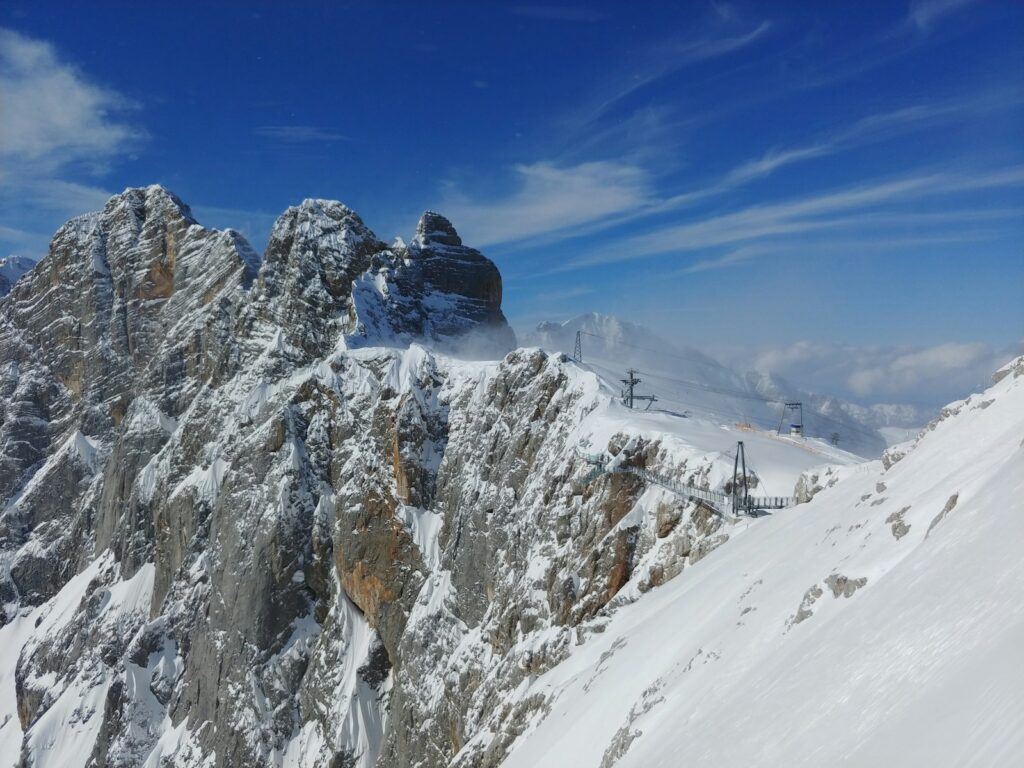
The climb followed a single, continuous push up the Studlgrat ridge on Grossglockner, with worsening wind and falling temperatures that turned a late-night summit attempt into a rescue operation. The decisions made on route choice, timing, and equipment use directly shaped the outcome.
Planning and Preparation for the Alpine Tour
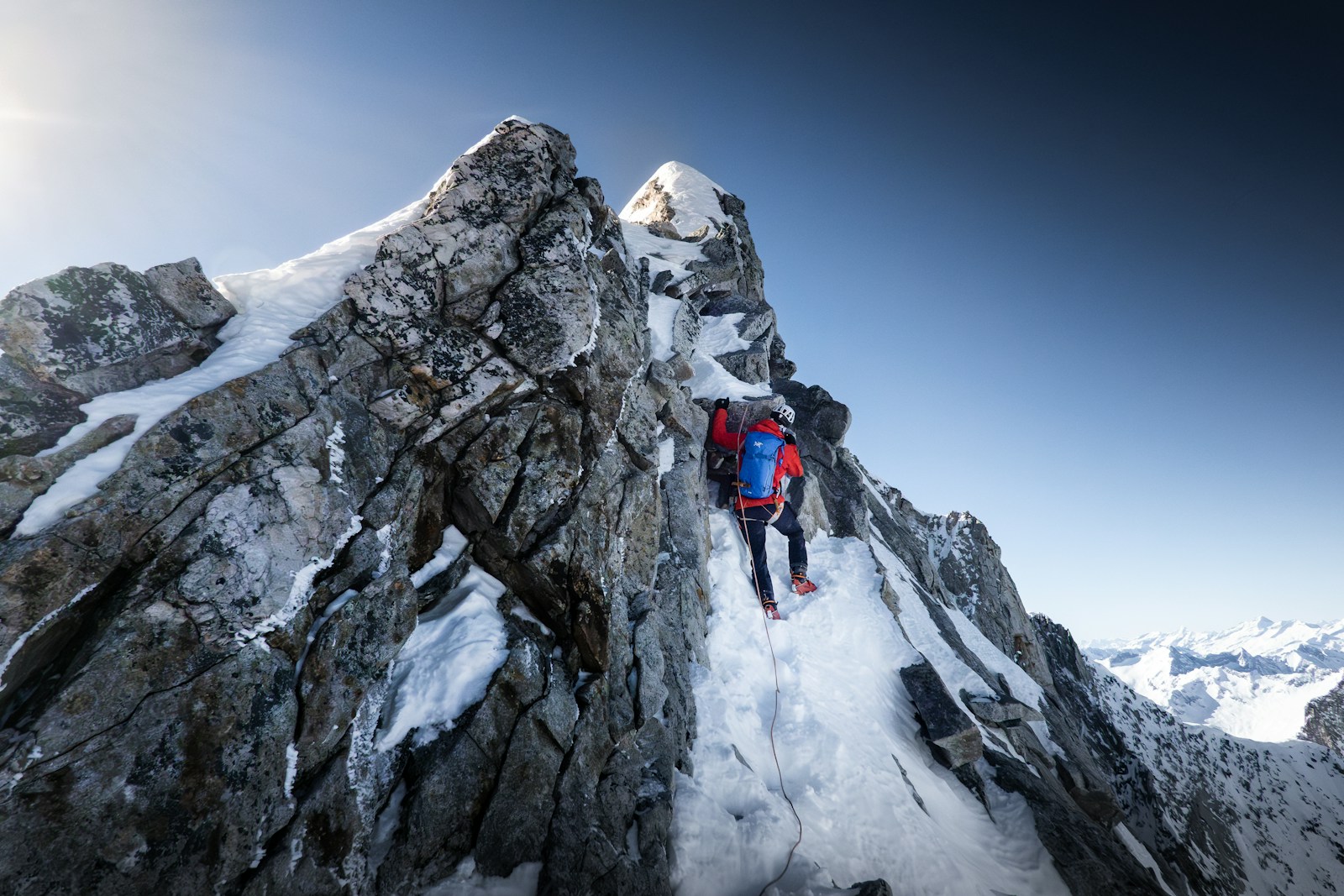
They left from Kals early on January 18 to attempt a high-altitude tour on Großglockner via the technical Studlgrat ridge. The route demands experience; it involves about 1,000 meters of ascent over roughly six kilometers and features mixed ice and rock sections rated AD, III+. The man, reported as experienced, and the woman, described as less experienced, planned a single-day push rather than a staged ascent or guided climb.
Their kit included at least basic emergency bivouac equipment and thermal rescue blankets, but reports say the pair did not use a bivy sack or aluminium rescue blanket when conditions deteriorated. Weather forecasts that day showed rising winds and falling temperatures; several other parties turned back. The couple’s decision to continue late into the evening put them on technical ground after dark.
Climb to the Summit Cross of Großglockner
Progress was slow; witnesses and a webcam captured headlamps moving on the upper ridge after dusk. By about midnight the pair reached within roughly 50 meters of the summit cross but faced strong crosswinds and subzero feels-like temperatures. The final section on Studlgrat becomes more exposed and technically demanding, requiring precise footwork and clear judgement.
At that point the woman became exhausted and could not continue. The mountaineering timeline shows the man briefly stayed with her, then left to seek help. He continued to the summit cross and descended via the normal route, reaching the Adlersruhe hut at 3,451 m around 3:40 a.m. His movement from the technical ridge to the normal descent route created a separation in position and route choice very near the summit.
Descent and Decisions in Extreme Weather
The woman reportedly asked her partner to find help when she collapsed. Strong winds and low temperatures made stopping and bivouacking dangerous; the couple apparently did not make an emergency call from their location. Cell coverage exists at the summit of Großglockner but may have been unreliable or unusable in the cold and wind, and witnesses say the climbers did not respond to phone calls.
The man’s decision to leave and descend immediately toward the hut created a time gap before a rescue could start. He reached help before rescuers could get to the woman, while she remained on the exposed upper ridge. Whether a quick emergency bivouac with rescue blankets could have changed the timeline remains part of the investigation; reports indicate the available rescue blanket and other gear were not used at the critical moment.
Emergency Response and Outcomes
Alpine police and rescuers monitored the situation after witnesses reported headlamps. A helicopter crew spotted the pair twice late on January 18 but received no distress signal and could not effect a rescue that night. The next morning a helicopter airlifted rescuers partway up; the team proceeded on foot in severe wind and freezing temperatures.
Rescuers reached the woman around 10:10 a.m. but found she had already died from hypothermia. The team recovered her body and carried it down to a helicopter landing zone near 3,200 m for evacuation. Prosecutors opened an inquiry into whether the man’s actions amounted to involuntary manslaughter; he later faced charges and is set to stand trial, with authorities examining choices on route, timing, and use of emergency equipment.
Legal, Ethical, and Community Impact
The case centers on criminal charges, guide responsibilities, community debate, and sharply divided reactions from family and legal representatives. Each area touches on accountability, accepted safety practices in high alpine tours, and how the climbing world reacts to tragedies on major peaks.
Gross Negligent Manslaughter Charges Against the Experienced Climber
Prosecutors charged the experienced climber with gross negligent manslaughter for allegedly leaving his 33-year-old partner in hypothermic, disoriented condition near the Grossglockner summit. They say he planned the route, acted as the de facto guide, delayed calling for help, and descended alone while she remained unprotected — facts that underpin the manslaughter accusation and could lead to a prison term if he’s convicted.
The charge argues his conduct showed a serious deviation from the care expected of someone in charge on an alpine high-altitude tour. The indictment cites timeline details such as late emergency calls, a recorded descent captured on webcam, and failure to use available emergency blankets.
His lawyer, Kurt Jelinek, contests the allegation, calling the events a tragic accident. That defense will hinge on intent, foreseeability of harm, and whether reasonable steps to summon rescue were taken under extreme conditions.
Role of the Responsible Guide in Alpine High-Altitude Tours
A responsible guide must assess partner skill level, weather, route difficulty, and emergency plans before ascent. In this case, prosecutors treat the experienced climber as the guide because he planned the tour and had superior alpine experience, which raises expectations about leadership and decision-making.
Standard practices include setting turnaround times, carrying emergency equipment, and communicating with rescue services promptly when conditions worsen. Leaving a struggling climber without protection or signaling for help can breach both legal duty and widely accepted mountaineering ethics.
Guides also bear moral responsibility for client safety beyond technical instruction. That responsibility becomes legally relevant when a guide’s choices arguably increase the risk of fatal outcomes on a high-altitude tour.
Debate in Mountain Climbing Communities
Climbers split between condemning alleged abandonment and cautioning against quick judgments without full context. Some argue that experienced partners or guides must never place novices in extreme winter conditions; others note alpine terrain can produce split-second, life-or-death decisions that are later second-guessed.
Discussions emphasize preparedness, honest route selection aligned with partner ability, and the ethics of solo descent versus staying with the injured. Community forums also parse the legal implications of guide-like roles on personal climbs and whether criminalizing tough on-mountain choices will change guiding practices.
Practical takeaways debated include stricter pre-trip assessments, more consistent use of emergency beacons, and clearer community standards for when a climber’s duty becomes a legal obligation.
Perspectives from Family, Legal Team, and Authorities
Family members of the deceased focus on accountability and the factual timeline that led to her death, urging thorough investigation of decisions made during the climb. They highlight the victim’s inexperience and reliance on her partner’s planning.
The climber’s legal team, led by Kurt Jelinek, frames the incident as a tragic accident, stressing harsh alpine conditions and arguing that intent to harm cannot be proven. Their strategy will center on reasonable action under duress and procedural challenges to the prosecution’s timeline.
Authorities point to evidence such as webcam footage, timestamps of emergency calls, and rescue logs to justify criminal charges. Prosecutors emphasize the alleged failure to call for help promptly and the accused’s role as the responsible guide on the alpine high-altitude tour.
More from Vinyl and Velvet:

Leave a Reply